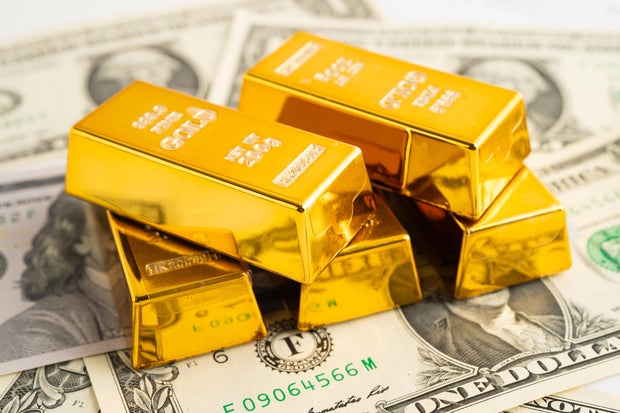
The gold market has experienced fluctuations over the past year, with prices reaching record highs in early 2026 before declining in subsequent months. Although prices have partially recovered, they remain below those peak levels, presenting investors with an opportunity to enter the market at more favorable rates. This is particularly important in today’s volatile economic environment.
Experts anticipate an upward trend in gold prices as 2026 draws to a close. Brandon Aversano, founder of The Alloy Market, notes that the fundamental factors influencing gold prices remain unchanged. Significant gold purchases by central banks, ongoing high inflation, and geopolitical conflicts contribute to this outlook. These conditions are unlikely to change soon and may even worsen temporarily.
Hiren Chandaria, managing director at Monetary Metals, emphasizes the challenging economic and geopolitical landscape. This climate encourages investors to consider gold as a means to protect and diversify their portfolios, given its reputation as a hedge against inflation and a long-term wealth safeguard.
While experts agree that the upward trajectory could increase gold prices, they caution that the rise may not be dramatic. Brett Elliott from the American Precious Metals Exchange (APMEX) projects gold could reach over $4,500 per ounce, while Chandaria suggests $4,800 to $5,000 is possible. However, Elliott notes that surpassing $5,000 is unlikely.
Fluctuations are expected as prices ascend. Factors contributing to volatility include inflation rates, which could prompt the Federal Reserve to adjust interest rates. This decision impacts the opportunity cost of holding gold and may exert downward pressure on its price.
Recent inflation data shows a decrease from 4.2% to 3.4%, yet it remains above the Federal Reserve’s 2% target. Although Fed Chairman Kevin Warsh has yet to indicate a rate hike, market expectations suggest a 60% probability of an increase in September, according to the CME Group’s FedWatch Tool.
Warsh has also suggested potential changes in how inflation is measured, adding further uncertainty. Brett Elliott describes the Fed’s current stance as more a strategic ploy than a definitive inflation policy, speculating on potential adjustments to the inflation metric without raising rates.
For investors with a long-term perspective, the outlook for gold investments remains favorable. Thomas Winmill from Midas Funds advises taking advantage of current rates that have not been seen since early fall 2025, encouraging those undecided to consider investing soon.