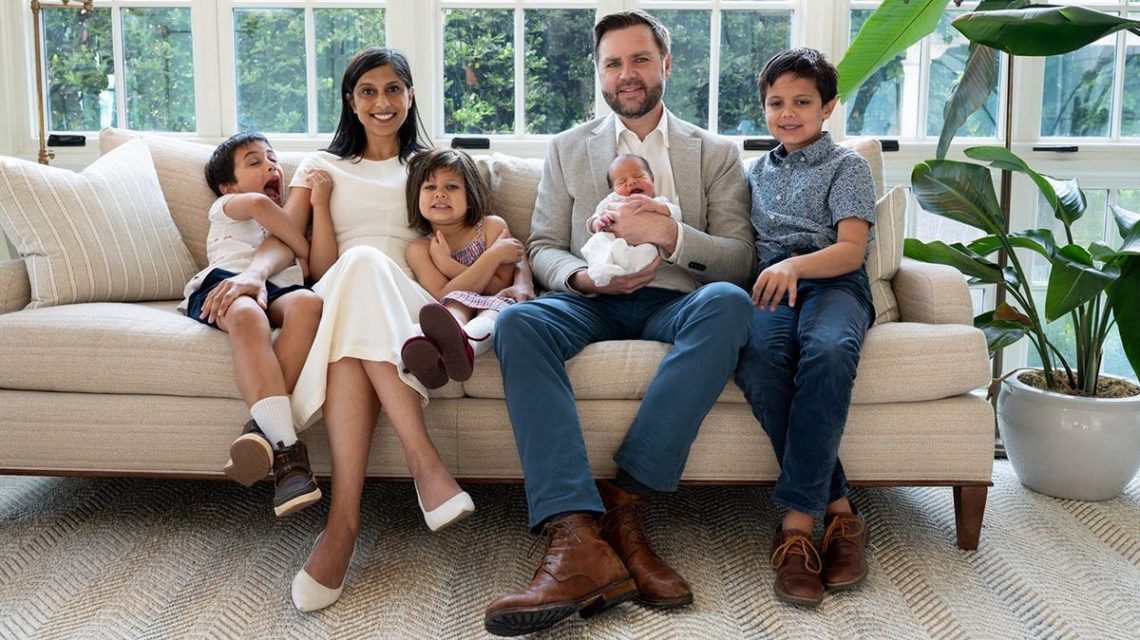
A new proposal, supported by Vice President JD Vance, aims to provide up to $9,000 per child annually for stay-at-home parents. This initiative, however, faces criticism for potential government intrusion and risks to personal independence.
Founded by former Vice President Mike Pence, Advancing American Freedom (AAF) opposes the plan. They argue it could expose families to government audits, punish work, and create opportunities for fraud. AAF calls on conservatives to reject the proposal in their efforts to protect family autonomy.
The initiative suggests expanding the Child Care and Development Fund (CCDF), initially established during the Clinton administration. This fund assists low-income and working-class families in covering childcare costs. Presently, the CCDF offers approximately $9,000 annually per child, with payments typically going directly to childcare providers.
Eligibility and Criticism
Under Vance’s draft plan, families with a stay-at-home parent earning below state income thresholds could qualify for up to $9,000 per child each year. To be eligible, one spouse must be at home while the other works at least 35 hours weekly. Unmarried couples and non-working single parents would not qualify.
Tim Chapman, President of AAF, acknowledges parenting’s challenges but warns of the proposal’s pitfalls. He cites concerns about benefit cliffs and new work disincentives.
Currently, about 870,000 families benefit from the CCDF, with 80% being single-parent households. AAF cautions that expanding to stay-at-home parents could strain the fund further, as many states already have waitlists. The plan might necessitate an auditable childcare service, increasing fraud risks if not appropriately managed.
Voices of Support and Caution
John Shelton, AAF’s Vice President of Policy, highlights the complexities in implementation. He notes the risk of financial penalties when families receive bonuses or promotions, which contradicts conservative program ideals.
Critics of the proposal also point out potential penalties for stay-at-home spouses taking remote or part-time work. A financial penalty for taking on more work could deter progress, the opposite of welfare’s goals, AAF notes.
Proponents, however, argue for equity with subsidized childcare. Roger Severino of the Heritage Foundation claims the current system unjustly favors commercial daycare, denying at-home parents similar financial support.
Conclusion
While the proposal has garnered praise for its intentions, execution concerns persist. John Shelton commends the effort but believes the implementation needs improvement. Fox News Digital has reached out to both the White House and Vance’s office for further comment.
 Saudis Urge U.S. Military Action Against Houthis in Yemen
  President Trump Leads Pledge at GOP Midterm Convention
  President Trump’s Remarks on 9/11 Anniversary
  Kamala Harris Criticizes Trump Administration and Security Incident at Home
 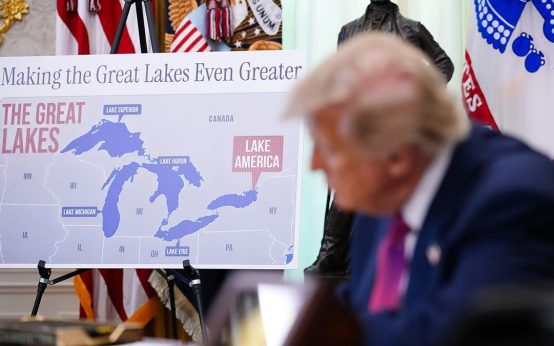 Pennsylvania Representative Advocates for Renaming Lake Erie
  Charlie Kirk Memorial Highlights His Impact and Controversy