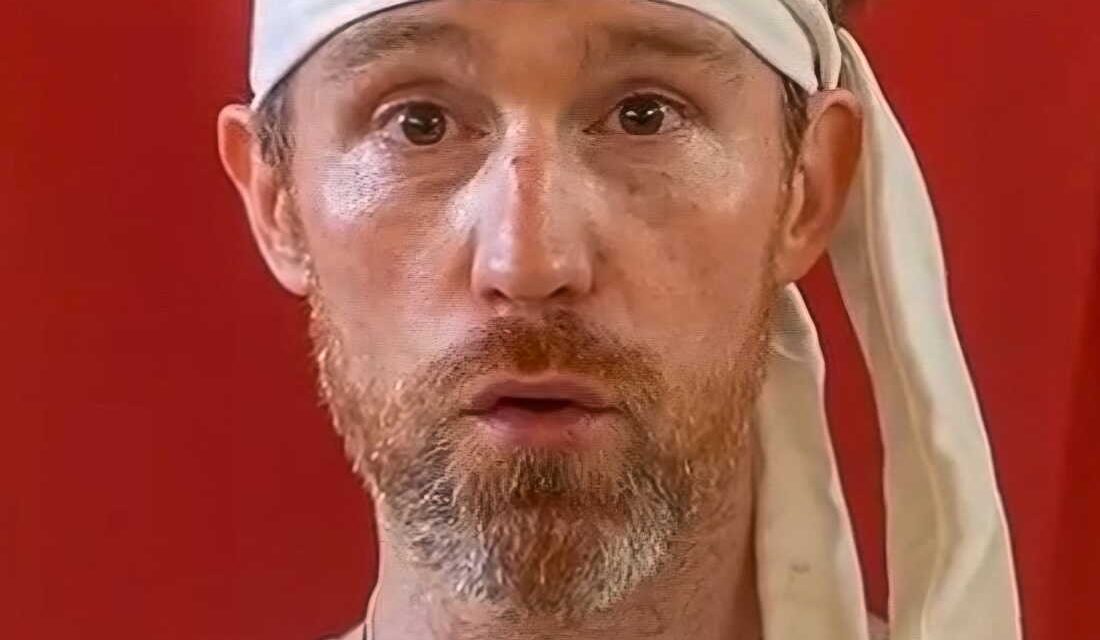
A Career Shift from Crime Reporting to Clowning
John Simpson, who reported on crime in Britain for over a decade, took a significant career turn. Moving from journalism, he embraced clowning. Unlike traditional circus clowns, Simpson’s approach to clowning is theatrical. It doesn’t involve the typical exaggerated costumes or makeup. His performances challenge the norm by allowing things to go wrong intentionally. In one act, he portrays a spiritual guru whose expectations are unmet. The missing stage elements force improvisation, ultimately leading to an amusing breakdown.
Journalistic Background
Simpson held positions as a crime correspondent for The Times of London and home affairs editor at The Observer. His writings covered diverse topics including organized crime, policing, murder investigations, the far right, and pro-Palestinian protests. He humorously summarized his past work: “I’ve been undercover as a football hooligan. … I once solved a murder.” Shifting from journalism, he now teaches and performs clowning. He differentiates the roles by stating, “A stand-up comedian makes jokes. A clown is the joke.”
Several people at a Morning Edition meeting knew someone connected to clown school.
This surprising revelation highlighted a growing trend towards clowning education. People seem drawn to clowning for its exploration of authenticity and humanity, amidst a perceived decline in these values globally.
Understanding Clown School
Tim Reid from NYU, who is researching clown traditions, sheds light on clown school. Though commonly referred to as “clown school,” most are workshops or classes rather than degree programs. These workshops have expanded, being found in cities like New York, LA, and Toronto. Reid compares this trend to the improv craze from years ago, noting the lack of prerequisites in clowning classes.
The appeal of clowning, according to Reid, is linked to its ambiguity. Clowns can be both comedic and threatening, opposing power while critiquing it. Simpson’s journey didn’t stem from a grand theory. It was a personal quest for relief from the pressures of journalism.
Simpson’s Motivation for Change
Simpson’s newsroom experience became challenging with diminishing resources and escalating sensationalism. He questioned his contribution to the “daily diet” of grim news, feeling the weight of producing terror-filled headlines. Personally, Simpson faced struggles with alcoholism, which he overcame, paving the way for his clowning endeavor.
His introduction to clowning began with a course recommended by a retired comedian. It transformed into extensive training. Clowning faced him with the simple challenge of presence, confronting failures onstage and responding genuinely. Simpson explains that the audience acts like an X-ray machine, seeing through any façade.
Drawbacks and Benefits of Clowning
Learning about the “flop,” a clown’s failure, taught Simpson acceptance and authenticity. Reid views the ‘flop’ more critically, seeing it as an excuse for poor performances. Yet for Simpson, recognizing vulnerabilities brought practical lessons.
Real-World Connection in an Algorithm-Driven Era
Simpson values clowning for its live interaction, aiming to disconnect from digital technologies. Reid sees parallels with TikTok, where audience reactions shape content. Despite challenges in securing paid gigs, Simpson’s commitment contrasts with journalism. Instead of dissecting ideas, clowning encourages pursuing them boldly.
Simpson continues with workshops through Clown Lab and writes The Shiny Things, reflecting on his new path. His transition exemplifies pursuing passion over professional conventions.
 Smithsonian Museum Faces Criticism Over Shift in Exhibitions
  The Haka: A New Zealand Rugby Tradition’s Resurgence
  Valparaiso Celebrates the 47th Annual Popcorn Festival
  Celebrity Criticism of U.S. Policies and Thoughts of Relocation
  A Hidden Tennis Gem Inside Grand Central Terminal
  The Impact of Charlie Kirk’s Assassination and the Rise of Doxing