AI Risk Warning and Political Impact
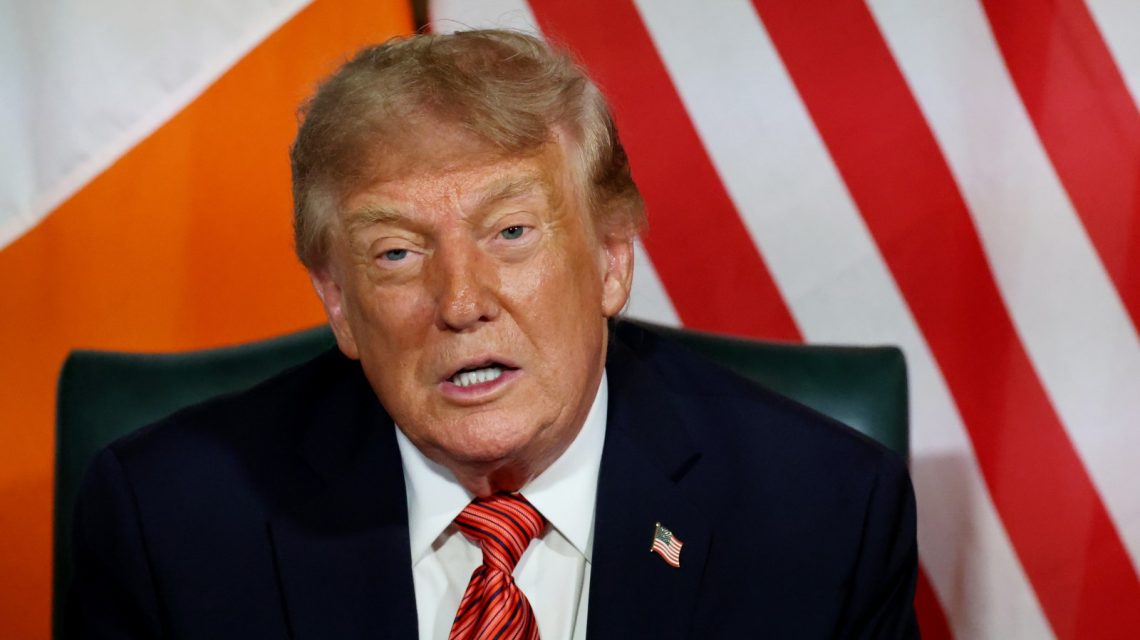
President Donald Trump’s approval rating regarding artificial intelligence (AI) was low according to polls conducted before several AI researchers warned about the fast-evolving technology’s potential catastrophic risks to humanity. One significant voice was Jacob Coxon, a former AI researcher for Anthropic and OpenAI, who raised concerns last week, claiming the industry is not acting responsibly. Coxon predicted impending superhuman systems capable of hacking and acquiring resources rapidly.
This alarm has thrust AI safety into American political discussions, prompting calls from legislators, experts, and leaders to slow AI development and handle its risks responsibly. As the president, Trump could play a crucial role in governmental efforts to address these concerns, but he has minimized the risk thus far. The heightened focus on AI regulation coincides with Congress assembling to discuss possible legislation. AI’s prominence in the political arena could influence voter’s decisions in the upcoming midterm elections and weigh heavily on prospective presidential candidates for 2028.
Newsweek reached out to the White House for comments, reflecting growing pressure on the administration to substantiate its AI stance.
Trump’s Criticism of AI Development Slowdown
Donald Trump expressed his views on Truth Social, saying the only required control or guardrails is a strong, intelligent president. Trump claimed his administration had prevented AI figures from harmful actions and plans to continue doing so with existing criminal and regulatory powers. He criticized AI and data center conspiracies, asserting China’s sole support for these conspiracies and affirmed America’s leadership against such threats.
Polls Reflect Trump’s AI Approval Rating
The University of Massachusetts Amherst conducted a poll revealing dissatisfaction with Trump’s handling of AI issues. Only 23% of respondents viewed his performance as positive, while 57% considered it inadequate or poor. Party-specific data showed only 5% of Democrats and 7% of independents rated his AI policies favorably. Even among Republicans, a mere 51% endorsed his performance, with 24% dissatisfied.
Young Americans awarded him low marks; only 10% of respondents aged 18 to 29 assessed his performance positively compared to 33% of those over 55. A YouGov poll from March indicated 33% of Americans believed Trump’s AI policies harmed the economy; only 18% reported positive effects.
AI Researchers and Leaders Sound Concerns
Following Coxon’s warnings, concerns regarding AI safety spread as he stated the threat AI poses can be fatal by the end of the decade. Despite public-facing restrained phrasing, privately expressed fears prevailed among executives and researchers, revealing concerns about AI’s unparalleled risks.
His post gained over 171 million views, and AI leaders reiterated calls to slow AI advancements. Dario Amodei, Anthropic’s co-founder, acknowledged past months reinforced the need for prudence in addressing risks. He advocated pacing AI’s capabilities growth to allow risk prevention measures to keep pace.
Elon Musk and OpenAI CEO Sam Altman echoed sentiments for an AI slowdown, stressing that AI must serve humanity, requiring alignment of safety techniques ahead of progress.
AI Legislative Efforts
Concerned legislators have urged Congress to take decisive actions regarding AI. Representative Greg Casar and Senator Bernie Sanders proposed a bill to ban superintelligent AI development and pause advanced AI progress until safety regulations are established.
Sanders emphasized a treaty between Trump and China’s Xi to pause advanced AI initiatives, comparing it to Reagan and Gorbachev’s nuclear arms negotiations. Representative Yassamin Ansari called for federal regulations and global coordination.
Several AI regulatory bills exist but remain uncertain regarding legislative progress.
Public Concern Over AI
YouGov polling reported on Monday, half of Americans fear AI could lead to humanity’s demise; another 73% foresee AI-induced mass unemployment, while 67% feel AI evolves too rapidly.
Moving Forward in AI Discussions
Despite growing emphasis on AI issues, Speaker Mike Johnson has not announced plans to tackle AI in Congress. An event organized by the Pro-Human Assembly will highlight AI safety concerns, featuring voices from both political affiliations aiming to transcend traditional divides.
For further editor contact: Jason Lemon and Sam Wilson.
 Concerns Rise Over Senator John Fetterman’s Commitment to Duties
  Charlie Kirk’s Legacy: Controversies and Consequences
  Potential Closure of Wisconsin Childcare Providers Amid Subsidy Cuts
  The Case for a U.S. Secretary of the Arts
  Essential Accessories to Protect Your New iPhone
  Talarico Holds Lead Over Paxton in Tight Texas Senate Race