
The G7 summit in France continues as President Trump and other world leaders focus on crucial discussions, particularly involving Iran’s latest agreements and their implications for global trade. The event sees some of the world’s wealthiest countries coming together to discuss pertinent topics like the global economy, likely leading to debates around China, and the regulation of artificial intelligence (AI).
Trade and Diplomacy
The United States’ recent move to limit foreign access to advanced AI models by Anthropic has heightened its lead in the AI industry, catching some European nations off guard. Despite differing opinions, the summit in Évian-les-Bains is surprisingly civil. President Trump, historically critical of European allies, struck a friendly tone, even praising French President Emmanuel Macron and preparing for a dinner at Versailles.
Relations and Reactions
The summit has revealed varying dynamics. German Chancellor Friedrich Merz attempted friendly gestures toward Trump amid prior tensions over the Iran conflict. European leaders still seek clarity on a forthcoming U.S.-Iran deal.
Conversations and Challenges
During the summit, a mix of camaraderie and strategic diplomacy is unfolding. Mr. Trump asserts the U.S. is distanced from Ukraine’s war, selling weapons without direct involvement. European leaders show public support for Ukraine, marking a diplomatic success.
Trump’s anticipated full arrival at discussions has allowed leaders like Brazil’s President Luiz Inácio Lula da Silva to engage in dialogue about election processes. British Prime Minister Keir Starmer and India’s Prime Minister Narendra Modi discussed the ability to deliver impactful governance.
Joint Statements and Strategic Planning
An important geopolitical statement hailed the U.S.-Iran agreement as a breakthrough, thanks to Trump’s leadership. It signals efforts to open the Strait of Hormuz to boost maritime traffic. A follow-up agreement and further negotiation are deemed necessary.
Summit Dynamics
European leaders cautiously charm Trump given past discord over Iran, Greenland, and other issues. Still, Trump’s potential peace deal with Iran revitalized their approach. Leaders reiterated “unwavering support” for Ukraine, an unexpected diplomatic achievement.
Trump also engaged with leaders from the UAE and Qatar, highlighting economic ties and support in Middle Eastern conflicts.
G7 Summit Participants
Attendees included diverse global figures, each carrying unique political and economic priorities:
- President Trump: Aims to mitigate Iran conflict impacts amid challenging poll ratings.
- President Emmanuel Macron of France: Eager to solidify legacy as summit host.
- Prime Minister Jair Schröder of Britain: Fighting election pressures and advocating for British stability.
- Chancellor Friedrich Merz of Germany: Looks to strengthen relations amid troop withdrawal challenges.
- Prime Minister Sanae Takaichi of Japan: Stresses energy security following the conflict’s disruptions.
Other attendees included President Volodymyr Zelensky of Ukraine, who seeks European support, and leaders like Narendra Modi of India, managing strained U.S.-India relations amid tensions highlighted by recent attack incidents.
U.S. and India Relations
President Trump and Prime Minister Modi’s scheduled dialogue reflects underlying tensions after recent U.S.-led attacks and trade restrictions, provoking domestic criticism in India. The ongoing war impacts India’s oil supply, leading to economic strains.
Political challenges and trade discussions influence the G7 summit outlook, underlying complex international relationships.
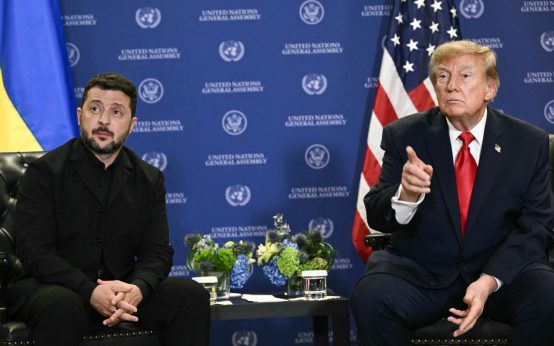 Trump Criticizes Zelensky Over Resumed Strikes on Russian Oil Facilities
 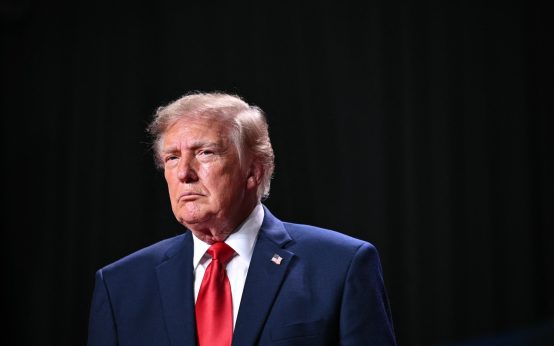 Katie Wiles’ Controversial Visit to Republika Srpska
  Democracy Under Threat: The Rise of Politically Charged Messaging
 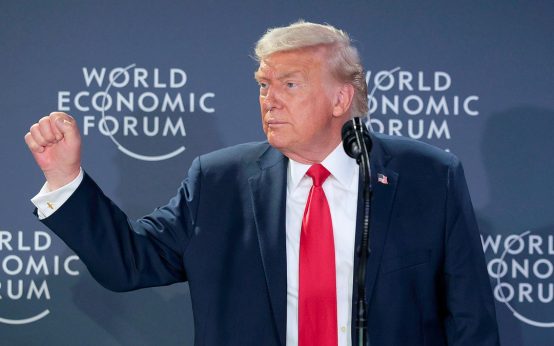 Trump’s Strategy for Greenland: Military and Resource Expansion
  The Illusion of Ceasefire Between Russia and Ukraine
 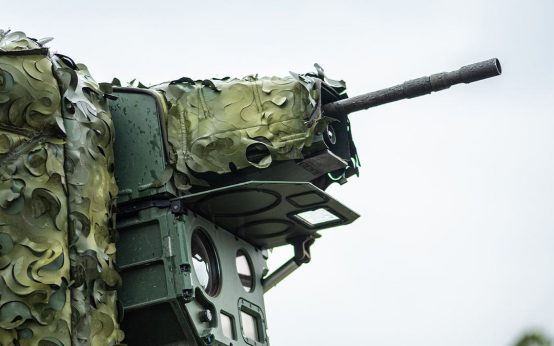 U.S. Army Prepares for New Challenges Amid Emerging Threats