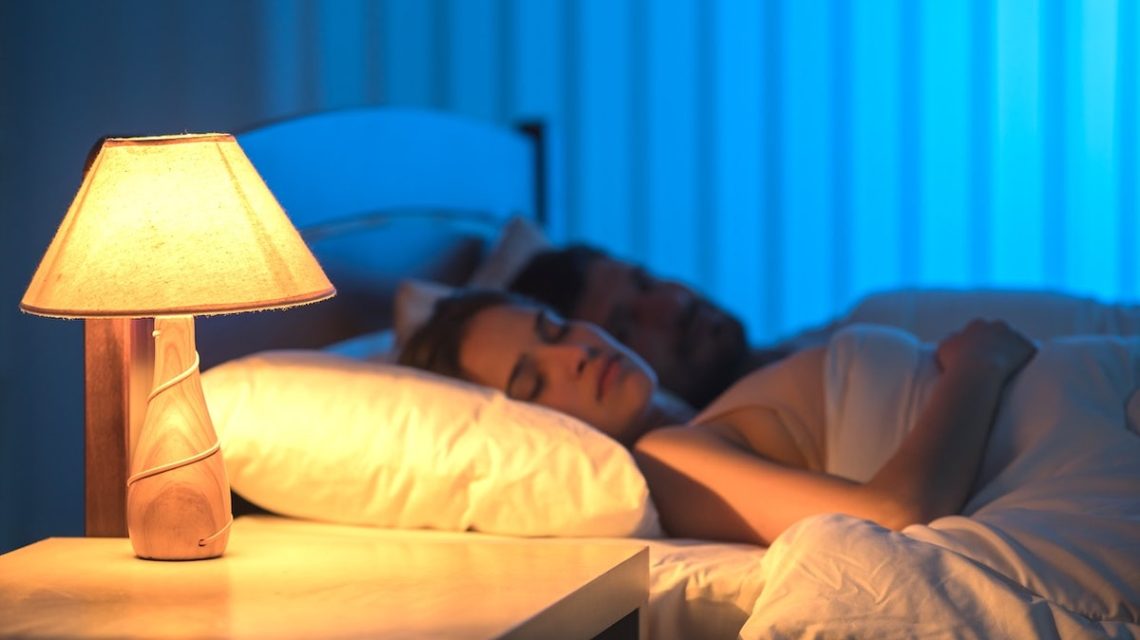
A recent study from Tulane University highlights concerns over sleeping with lights on, linking exposure to light at night with increased cardiovascular disease risks. The research associates exposure to over 3 lux of light, equivalent to moonlight, with heightened risks of heart failure, atrial fibrillation, heart attacks, strokes, and cardiovascular death.
Scientific Insights into Sleep and Light
The study sheds light on how sleep is regulated partially by the circadian rhythm, our internal 24-hour clock. Chelsie Rohrscheib, Ph.D., a sleep expert and neuroscientist from Michigan, explains that light exposure impacts melatonin production, a hormone crucial for sleep timing. Increased light signals suppress melatonin, while low light enhances its production, significantly affecting sleep quality.
Health Implications
Chronically disrupted sleep from consistent light exposure is concerning. Sleep plays vital roles in biological processes: body and brain restoration, hormone release, immune system functions, cognitive tasks like memory consolidation, and metabolic control.
Rohrscheib states poor sleep elevates health risks such as hypertension, cardiovascular diseases, strokes, diabetes, obesity, neurodegenerative disorders, certain cancers, and mood disorders.
A study by Northwestern Medicine in 2022 found that a single night under moderate light exposure (100 lux) disrupted glucose regulation and increased heart rate due to elevated sympathetic nervous system activity and reduced heart rate variability.
Research links daytime sleeping with health warnings in aging adults due to impaired sleep.
According to Ashley Curtis, Ph.D., a sleep researcher at the University of South Florida College of Nursing, sleep impairment correlates with increased mortality risks and affects gut health, impacting digestion and immunity.
Vulnerability to Nighttime Light
Experts warn certain groups are more sensitive to nighttime light: shift workers, children, older adults, and those with insomnia or mood disorders.
Older adults may experience higher sleep disruption levels, impacting their circadian system. Curtis notes that while bright light may have less effect on melatonin in older adults, they still experience disruptions.
Bright light affects melatonin suppression more significantly in men.
For those with insomnia, exposure before bedtime worsens sleep disruptions, further disturbing circadian rhythms.
Identifying Disruptive Light Types
Blue wavelength light from screens is particularly disruptive, as retinas react strongly to it, suppressing melatonin substantially.
Alex Dimitriu, M.D., emphasizes using dim, warm, red-toned lights that mirror natural evening colors for less circadian impact.
Curtis concurs that warmer, dim lights with longer wavelengths minimally affect melatonin production, allowing recovery time and preserving sleep quality.
Steps for Enhancing Sleep Quality
- Use blackout curtains, although complete darkness isn’t necessary for a healthy sleep setting.
- Install dim, warm, red-toned nightlights close to the floor.
- Select bulbs emitting warmer light like orange, amber, or red.
- Avoid screens at least an hour before sleep.
- Layer windows to reduce harsh streetlight penetration.
- Consider a face mask for added protection from light.
Melissa Rudy serves as the senior health editor at Fox News Digital. Tips can be directed to [email protected].
 The Evolving Role of Counseling in Later Life
  The Dynamics of American Health Insurance: A System of Incentives and Transparency
  Evaluating the Quality of Protein Bars
  Third Death Linked to Measles Outbreak in Pennsylvania
  Implications of GLP-1 Medications on Aging and Associated Risks
  Toddler’s Severe Egg Allergy Reaction Serves as Cautionary Tale