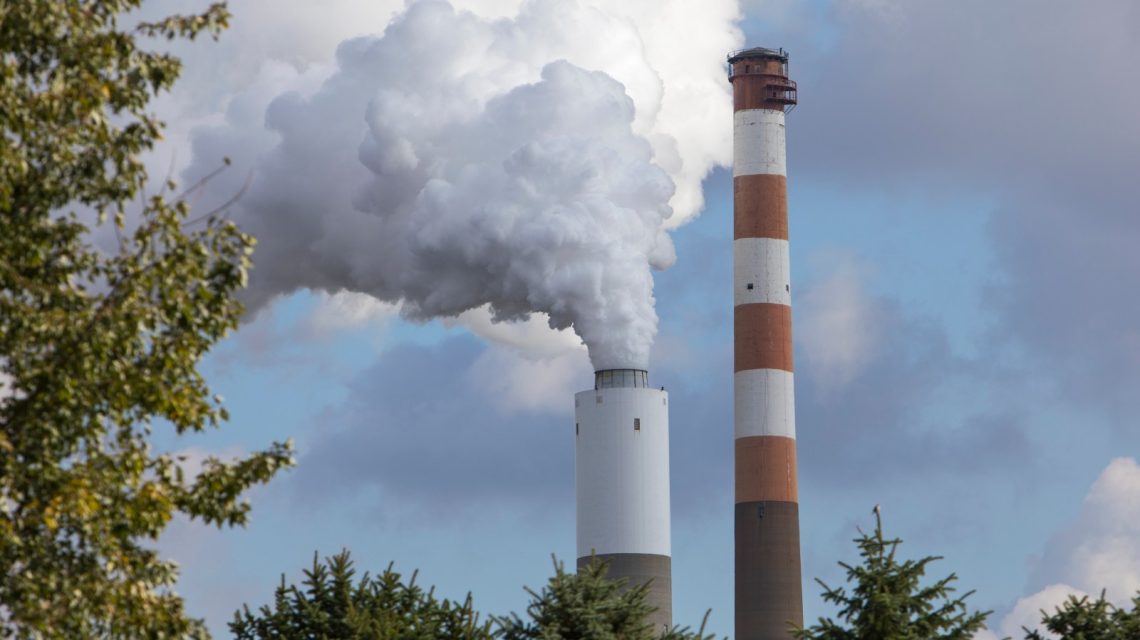
The Environmental Protection Agency (EPA) recently finalized the repeal of a significant climate rule from the Biden administration. This rule was initially aimed at limiting greenhouse gas emissions from coal and natural gas power plants. As this repeal takes effect, a map from Newsweek highlights the states with the highest concentration of coal plants.
The repeal aligns with support expressed by President Donald Trump for the coal and fossil fuel industries. EPA Administrator Lee Zeldin believes this change could eliminate substantial industry costs while boosting American energy. This repeal is among several major EPA shifts this year. Earlier, the EPA rescinded its 2009 Greenhouse Gas Endangerment Finding, which had required manufacturers to measure and control vehicle emissions.
Newsweek has reached out to the EPA for comment on this unfolding situation. According to Cleanview, a platform tracking U.S. energy infrastructure, Pennsylvania leads the nation with 13 coal-powered facilities, followed by Indiana and Texas, each with 12.
Several states, including Idaho, Oregon, Hawaii, and New York, report no coal facilities, reflecting a broader shift towards renewable energy sources in certain regions.
The repeal’s finalization may result in severe health impacts, particularly for states with numerous coal plants, as indicated by Center for Climate and Energy Solutions President Nathaniel Keohane. Despite these concerns, some industry voices commend the repeal. Emily Arthun, CEO of the American Coal Council, termed the EPA’s proposal as crucial for maintaining a reliable electric grid. She emphasized coal’s role as a dependable source of power, supporting various sectors round-the-clock.
However, experts like Bryan Hubbell, formerly of the EPA, caution that the rollback could deteriorate air quality, leading to thousands of premature deaths, increased hospital visits, and exacerbated asthma cases. Hubbell warns that while lower electricity costs might save money, the adverse effects on climate and air quality could be costly.
Industry professionals are pushing back against this change due to health and environmental concerns. Keohane highlighted carbon emissions from power plants as a significant climate change contributor. The repeal, he argues, disregards science and undermines public health protection.
The American Coal Council, however, emphasizes coal’s importance amid increasing electricity demand. Arthun argues that maintaining coal’s role is vital for economic competitiveness and national energy security. Coal-fired power is deemed essential for grid reliability, especially during extreme weather and peak demand.
Looking forward, future regulations could introduce uncertainty. Although coal plants might avoid standards imposed under the Biden administration, legal challenges are anticipated. Utilities will still need to comply with federal and state regulations on pollutants like mercury and sulfur dioxide.
 Impact of Halting U.S. Air Quality Monitoring on Global Pollution Levels
  Potential Democratic Plan to Tackle Rising Healthcare Costs
  Consumer Protection Laws and Climate Change: The Role of Speech in Legal Disputes
  Persistent Legislative Inaction on Climate Change
  Wisconsin Childcare Providers Face Closure After Federal Aid Ends
  Subpoena Issued for Former CIA Director Brennan