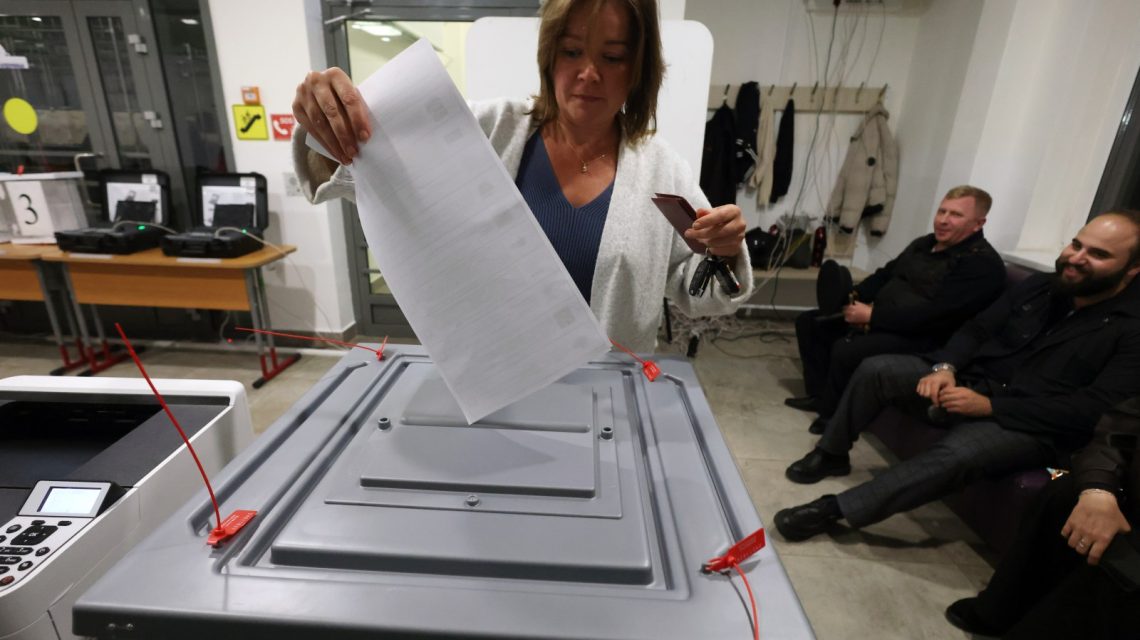
The United Russia party has secured a substantial victory in the recent parliamentary elections. It obtained a record number of seats, signaling strong political support for President Vladimir Putin. According to Russia’s Central Election Commission (CEC), United Russia will occupy 355 seats in the 450-seat State Duma. This exceeds its previous record of 343 seats set in 2016. The party achieved this through winning nearly 58% of the party-list vote and controlling single-member districts.
A Russian economist suggests that the controlled election outcome indicates Putin’s mandate to further his aggression in Ukraine. This raises questions about potential military drafts as Russia faces mounting battlefield losses. Despite Kremlin’s denial of imminent draft plans, there are concerns about the possibility of mass mobilization to address military needs.
Could Putin Announce Mass Mobilization?
Reports from Kyiv warn about a possible mobilization of hundreds of thousands of troops. Moscow’s losses in Ukraine reportedly approach 1,000 daily, leading to speculation about impending drafts. Economic pressures might compel Putin to enlist soldiers forcefully, given the growing budget deficit and record military spending.
Acknowledging the issue’s complexity, Sergei Guriev, a noted economist and Kremlin critic, believes Putin might misinterpret the election’s support as approval for mobilization. Despite being informed by election results, Putin risks misunderstanding the genuine public sentiment.
Election as Referendum on Putin’s War
The election served as a reflection of Russian political climate regarding the Ukraine conflict. Yabloko, the anti-war party, was barred from participating due to alleged campaign violations. This sparked accusations about the election’s fairness. United Russia increased its vote share by 8 percentage points compared to 2021, achieving a voter turnout of nearly 60%, the highest since 2003.
Analysts like Farida Rustamova criticize the turnout figures as unrealistic due to the lack of genuine campaigning. The result gives the Kremlin a highly controllable parliament for potential unforeseen developments. Alongside United Russia, four other parties will enter the Duma, including the Communist Party, Liberal Democratic Party, New People, and A Just Russia.
Russian Foreign Minister Sergey Lavrov views the election outcome as affirming domestic support for Putin’s foreign policy. While former President Dmitry Medvedev, now deputy chairperson of the Russian Security Council, indicates ongoing support for Putin’s objectives.
Political scientist Tatiana Stanovaya suggests the election masks growing demands to end the war. However, there’s no significant political outlet for anti-war sentiment.
War’s Economic Cost Is a Problem for Putin
The economic repercussions of the ongoing war pose significant challenges for Putin. Officials report troubling economic forecasts, including warnings from German Gref, head of Sberbank, about stagnation. Concerns grow as Ukrainian drone strikes and fuel shortages bring war’s realities into Russia.
Guriev notes increased public questioning about the conflict’s impact. This, along with recent public remarks by key officials about economic costs, implies potential shifts in inner political circles. Critics might be preparing for possible changes in Putin’s regime.
The discussions and critiques resemble Churchill’s analogy of ‘bulldogs fighting under a rug’, indicating internal tensions within the Kremlin regarding the war and its fallout.
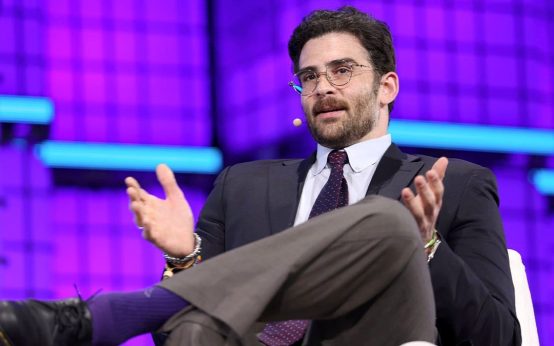 Hasan Piker Faces Backlash Over Controversial Comments
 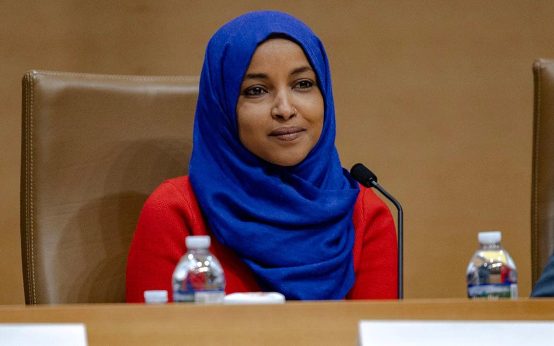 Markwayne Mullin Criticizes Democratic Border Policies
 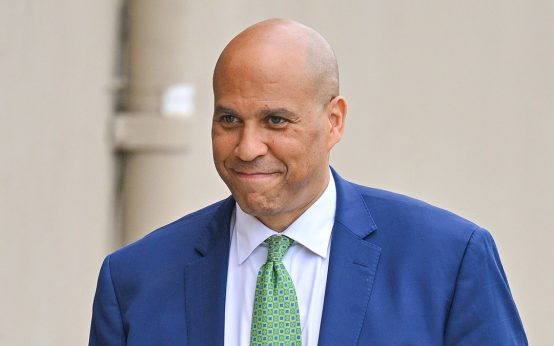 Sen. Booker Responds to Questions on Democratic Party’s Stance
  Trump Bans CNN and Politico from White House
  State Department Alerts on Middle East Travel Amid Rising Tensions
  Kevin Warsh Advocates for a Streamlined Federal Reserve Approach