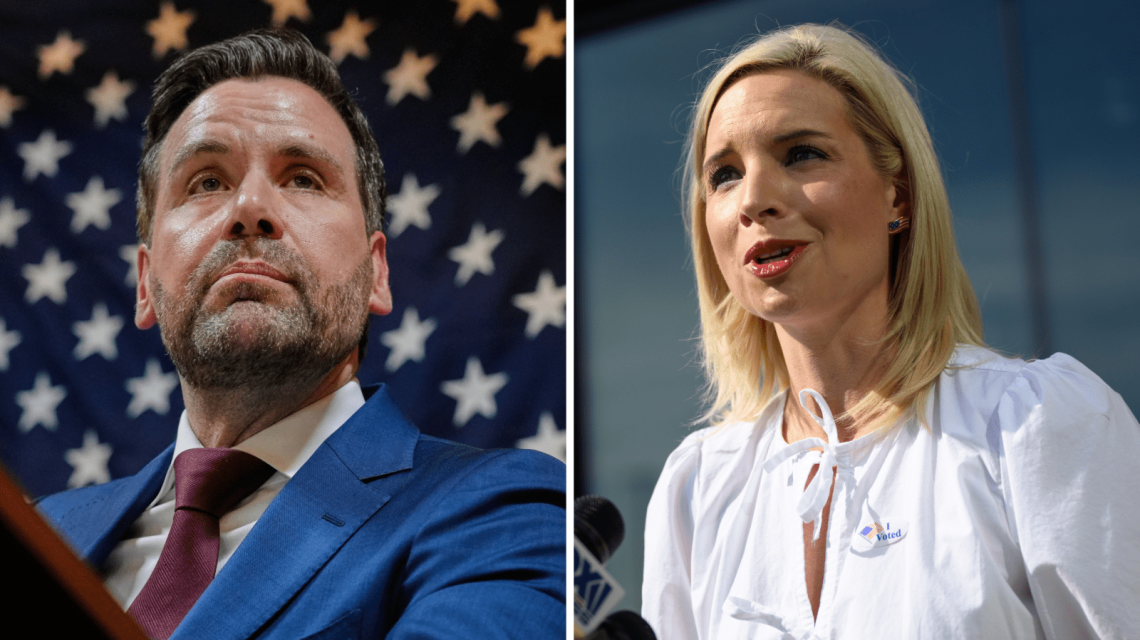
A recent Marist poll highlights Democrat Josh Turek leading Republican Ashley Hinson in the Iowa Senate race. The poll reveals 50% of registered voters in Iowa support Turek, while 42% prefer Hinson. Conducted between September 17 and 20, the survey included 1,050 registered voters contacted through phone, text, or online methods.
Both candidates aim to succeed retiring Republican Senator Joni Ernst, with the outcome potentially impacting control of the U.S. Senate. Hinson publicly distanced herself from former President Donald Trump shortly before the poll’s release by advocating for an end to the Iran war. Trump had endorsed her the previous September.
Iowa’s last Democratic Senate victory occurred 18 years ago when Senator Tom Harkin defeated Republican Christopher Reed. Since then, Republicans Ernst and Chuck Grassley have maintained control of the state’s Senate seats. Current midterm elections have the potential to shift the balance of power in the House and Senate, as Republican candidates address pressing issues such as economy, inflation, fuel costs, and the Iran conflict.
Historical voting patterns in Iowa show a mix of support for presidential candidates from both parties. Trump emerged victorious in the last three election cycles, but Iowa supported President Barack Obama twice. Recent updates from prediction market Polymarket classify the Iowa election as unpredictable, giving Turek a 48% chance of winning.
Economic concerns in Iowa draw parallels to the 2008 election, despite differences in context. In 2008, financial crisis fears dominated; now, tariffs and fuel costs heavily burden Iowa farmers. Iowa Democratic Party spokesperson Drew Myers criticized Hinson’s voting record on the Iran war, which allegedly exacerbates fuel price increases.
Hinson acknowledged these challenges, calling for immediate solutions and an end to the Iran war. She outlined strategies to alleviate high costs, such as suspending gas taxes and increasing biodiesel availability. Despite Hinson’s public statements, Turek responded by highlighting her previous votes prolonging the Iran war.
Comparisons to the 2008 election consider both similarities and differences. While the Iraq war involved a significant troop deployment, U.S. involvement in the Iran conflict is more restrictive. Additionally, the 2008 election was a general election, unlike the current midterm race.
As the November 3 election approaches, both campaigns are expected to intensify outreach efforts and spending. The evolving situation in Iowa remains one of the most contested midterm elections this cycle.
 President Trump Proposes ‘Super Intelligence’ as New AI Term
  Trump Administration Considers Diesel Export Ban Amid Rising Prices
 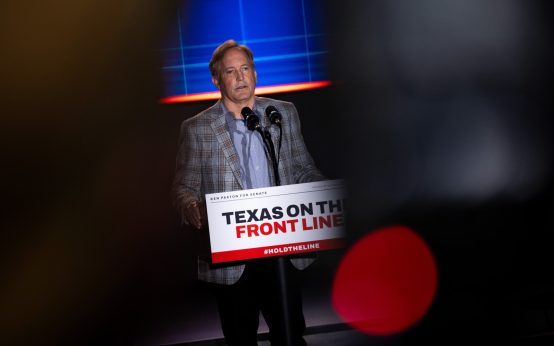 Texas Senate Race Tightens with Shifting Youth Support
 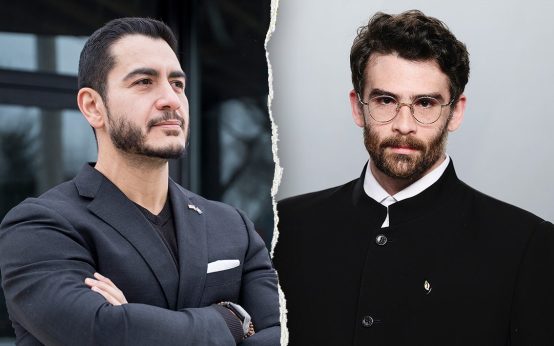 Flight 93 Hero’s Father Criticizes Ties Between Hasan Piker and Abdul El-Sayed
 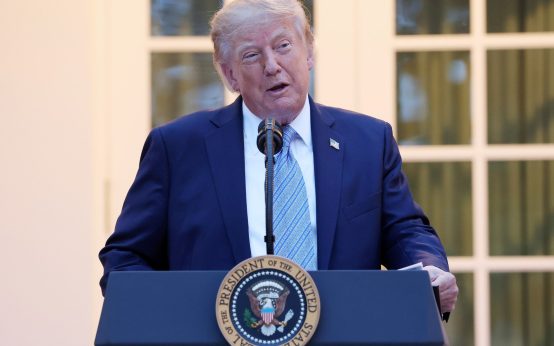 House Races Shift Amid Democratic Momentum
 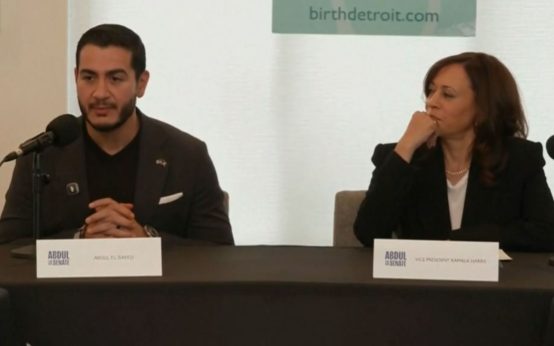 Kamala Harris and Abdul El-Sayed Campaign Together in Detroit