Good morning. As I finalize preparations for Newsweek’s AI Health Summit, I notice a shift in focus. The attention is less on AI capabilities, and more on how humans can adapt. Questions arise: Who responds when AI detects a patient’s decline? How do clinicians’ roles change with AI handling tasks once reserved for specialists? While AI can expedite drafting a clinical trial protocol, can associated processes like contracting quicken too?
AI’s potential creates ripple effects in healthcare workflows. Health leaders must understand these changes. Discussions at the Summit highlight challenges in merging AI into existing systems. AI’s prowess doesn’t easily fit into established healthcare processes. Fundamental discussions focus on workflow roles: Who does what? In what order? Such questions seem low-tech but remain complex.
AI advancements continue. The 2026 Stanford AI Index reports significant progress in AI capabilities. On SWE-bench Verified, AI’s ability to tackle real-world problems improved from 60% in 2024 to nearly 100% in 2025. Another benchmark, OSWorld, showed a rise from 6% to 75% in the same period. Yet, much of these insights lead to reconsidering outdated change management strategies.
Dan Shoenthal from MD Anderson Cancer Center emphasizes understanding the gap between AI’s rapid pace and the slower adoption in health systems. Technology evolves quickly but health systems take time to integrate AI effectively. Shoenthal argues for experimentation to grasp role evolution. He warns against rushing to adopt tools without learning from shared experiences.
In other news, government records highlight issues in Medicare’s WISeR model, which uses AI for prior authorization. Technical problems caused delays beyond CMS’s expected 72-hour response. Concerns arise on whether AI systems were adequately tested. CMS commits to reviewing all denials by qualified professionals and ensuring models meet timelines and accuracy. WISeR continues through 2031.
Also, the ACCESS model will expand in 2027 to include more health conditions. The technology-supported care model aims for efficiency between visits, with large payer participation pledging outcome-based payments.
A partnership between Memorial Sloan Kettering Cancer Center and OpenEvidence looks to integrate precision oncology guidance into clinical workflows. This collaboration will expand access to cancer-genomics interpretations through the OpenEvidence platform, extending beyond MSK’s clinicians.
Dr. Nicole Saphier’s nomination as surgeon general raised vaccine-related discussions in Senate questioning. She supports vaccine safety and efficacy, intending to restore public trust amidst federal policy changes.
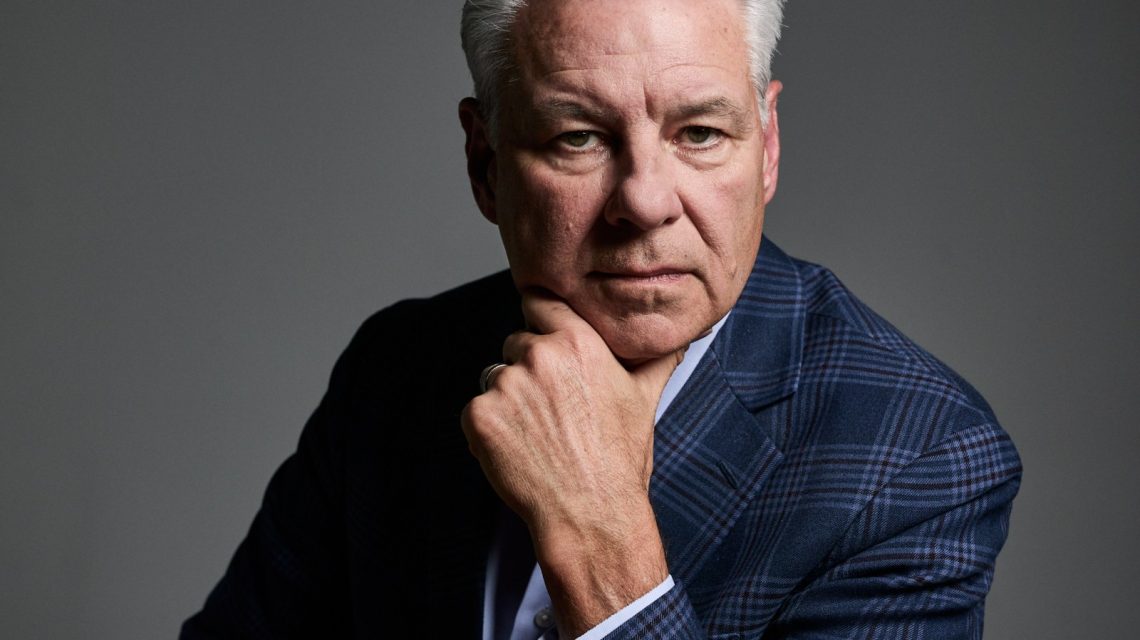
From an executive perspective, Bill Golden, formerly of UnitedHealthcare, shares insights on AI’s potential in healthcare. AI could streamline health plan operations and improve interactions with members. However, if stuck in the current reimbursement model, AI may not enhance overall healthcare. The goal should be to foster collaboration between payers and providers for mutual benefit.
AI can guide data-driven discussions, leading to efficient contracting and reducing friction in healthcare relationships. Genuine improvements require clear communication and shared objectives. AI should simplify processes, enabling more personalized and consumer-friendly healthcare experiences.
Leadership changes include Dr. David Skorton’s upcoming retirement as CEO of the AAMC, Dr. Nicholas Desai joining Notable as CMO, and Beto López heading UH Health’s new institute.
 Family Files Lawsuit Following Tierra Walker’s Death Due to Preeclampsia
  Concerns Rise Over AI Development and Geopolitical Implications
  Concussions Increase Alzheimer’s Risk in Older Adults
  Impact of E.U. Regulations on Google Search
  Porsha Williams Opens Up About Her Health Journey
  Discovery of Massive Lunar Crater Sheds New Light on Moon’s Surface