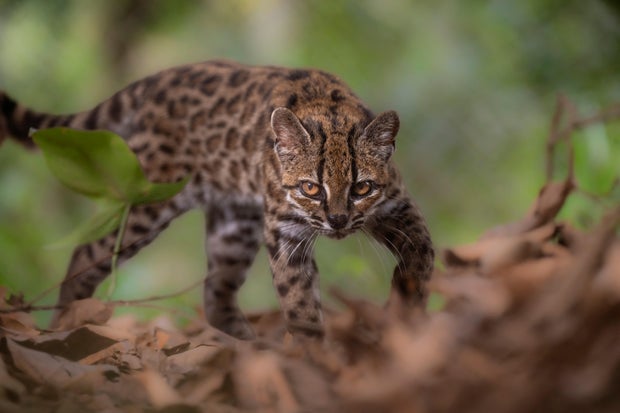
Scientists have identified a new species of wild cat for the first time in over a century. The discovery was shared by Bolivian researcher Paola Nogales-Ascarrunz. The Tilcayo tiger cat, a small feline with a spotted coat resembling a leopard, was found in the mountainous Yungas region near La Paz, Bolivia.
Locals had mistaken the creature for an ordinary house cat, said Nogales-Ascarrunz, a biologist and National Geographic explorer involved in studying the animals. Inspired by the local nickname “tilcayo,” the species has been scientifically named Leopardus tilcayo.
A Leopardus tilcayo cat was seen at the Senda Verde animal refuge in Bolivia on September 1, 2026. Nogales-Ascarrunz described the finding as a significant achievement, highlighting that no new wild cat species has been documented for a century. The last discovery was the Uruguayan pampas cat in 1923.
The tilcayo is slightly smaller than a domestic cat, measuring about 18 inches, and has rounded ears. Whole genome sequencing was conducted on two Tilcayo cats, providing detailed genetic information, according to Nogales-Ascarrunz.
Currently, a male tilcayo is living in an animal shelter in Yungas after being handed over by a family. A female that was rescued from an attack by locals was released back into the wild. The research findings were published in the journal Current Biology, concluding studies that began in 2021.
Nogales-Ascarrunz noted that tilcayos have only been detected in Bolivia. She emphasized the species is classified as vulnerable to extinction due to their small population, indicating they might soon face a higher risk of disappearing altogether.
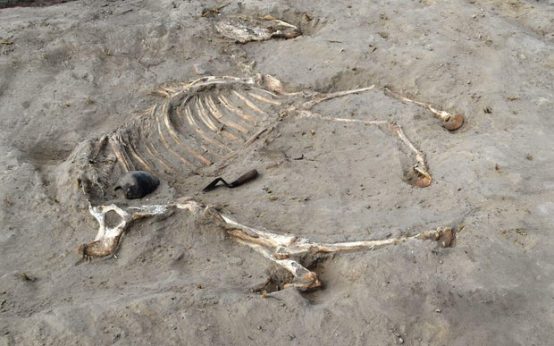 Ancient Egyptian Warhorse Burial Unearthed in Beheira
  Humpback Whale’s Grief Over Stillborn Calf Reveals Emotional Complexity
 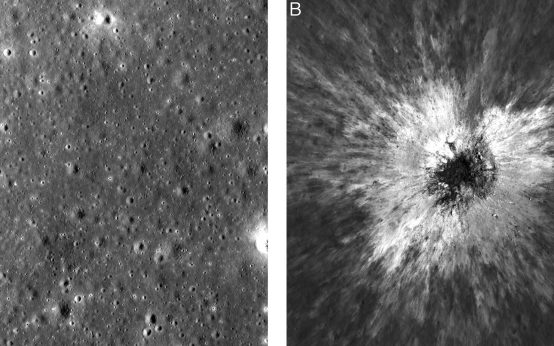 Discovery of Massive Lunar Crater Sheds New Light on Moon’s Surface
 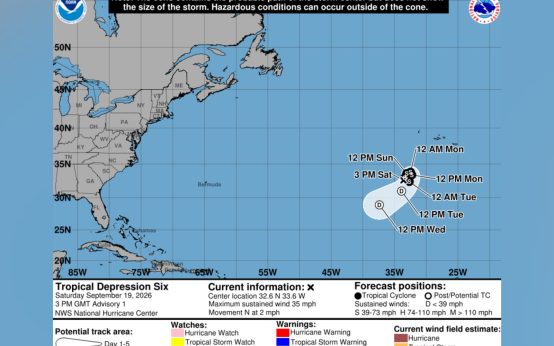 Tropical Depression Six Forms in the Atlantic Amid Quiet Hurricane Season
 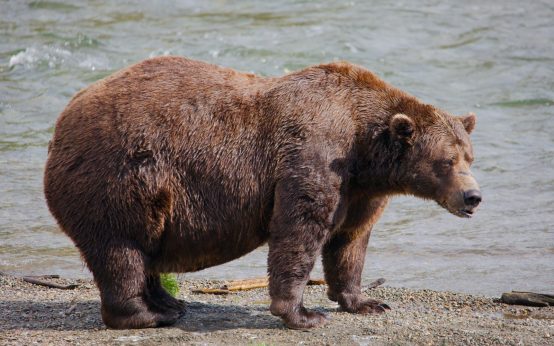 Fat Bear Week: Celebrating Resilient Giants and Ecosystem Conservation
 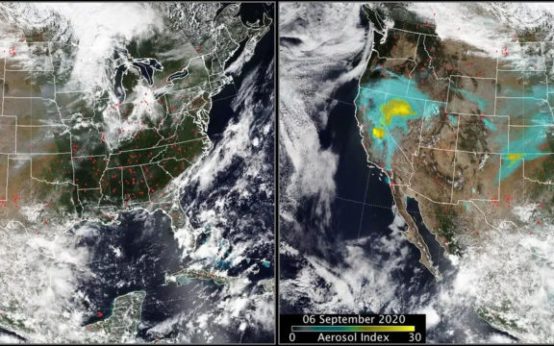 Understanding Pyrocumulonimbus Clouds Through NASA’s INSPYRE Mission