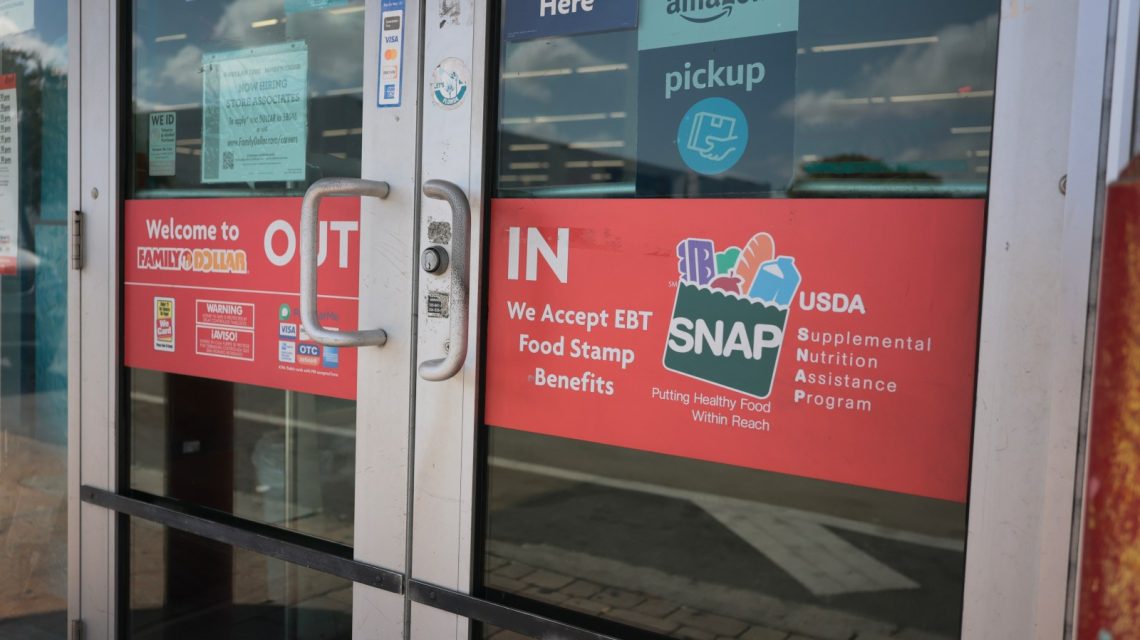
Millions of Americans may soon experience significant adjustments in government safety net programs as new rules from President Donald Trump’s budget law become effective next month. These changes affect both the Supplemental Nutrition Assistance Program (SNAP) and Medicaid, the nation’s health insurance program for low-income individuals. While there are claims that these reforms could promote accountability and decrease federal expenses, they might also lead to increased hardship for vulnerable households and shift substantial financial burdens to the states.
According to Alex Beene, a financial literacy instructor at the University of Tennessee at Martin, the modifications coming this fall signify a noteworthy shift in the financial dynamics between Washington, the states, and Americans reliant on safety net programs.
Why These Changes Matter
SNAP supports over 40 million people monthly, while Medicaid offers health coverage to millions of low-income Americans and individuals with disabilities. Starting October 1, various new rules outlined in the One Big Beautiful Bill Act will be implemented, creating fresh financial challenges for states and new eligibility criteria for numerous beneficiaries.
Specific Changes to SNAP
From October 1, states will bear a greater portion of SNAP administrative expenses. The federal government’s share will decrease from 50% to 25%, making states responsible for 75% of the program’s operational costs. This transformation, mandated by the One Big Beautiful Bill, will be implemented by the U.S. Department of Agriculture. Administrative expenses affected include costs for caseworkers, fraud prevention efforts, and technological platforms used to process benefits.
The reduction in federal reimbursement is scheduled for fiscal year 2027, beginning October 1, 2026. State officials have expressed concern that this shift may necessitate tough budget decisions. Although the law does not directly reduce benefits, increased state expenses could lead to reductions in administrative staff, potentially delaying enrollment processing.
Moreover, starting October 2027, some states will for the first time be required to contribute toward SNAP benefits if their payment error rates exceed federal thresholds. Historically, SNAP benefits have been completely funded by the federal government.
Modifications to Medicaid Coverage
October 1 will also bring significant changes to Medicaid eligibility for numerous lawful non-citizens. According to guidance from the Centers for Medicare & Medicaid Services (CMS), federal Medicaid funding will generally be limited to U.S. citizens and nationals, lawful permanent residents (green card holders), Cuban-Haitian entrants, and citizens of Compact of Free Association nations.
Many groups that previously qualified for federally funded Medicaid, such as refugees and trafficking survivors, may lose access to federally funded coverage unless their states provide alternative coverage using state resources. Emergency Medicaid coverage will remain available, and states may continue certain coverage options for eligible children and pregnant individuals under existing federal law.
Introduction of Medicaid Work Requirements
A significant upcoming change in Medicaid is linked to the work requirements stipulated by the One Big Beautiful Bill. Adults between ages 19 and 64, deemed able-bodied, will soon be required to complete at least 80 hours monthly in approved activities, which may include employment, job training, education, or community service to maintain Medicaid eligibility.
These requirements are set to take effect after the October eligibility modifications in January 2027, although the exact timing may vary based on federal guidance and state implementation decisions. The intention behind these requirements is to boost workforce participation while safeguarding Medicaid for the most vulnerable groups.
Concerns and Criticisms
CMS Administrator Mehmet Oz stated that these rules aim to help Americans build skills and independence through work, education, job training, or community service, creating opportunities for families. Yet, concerns are prevalent that the new policy could lead to lost benefits, resulting in deteriorating health outcomes and higher debts for individuals already struggling.
“Supporters see these policies as a way to promote work and shift more responsibility to states, while critics worry the savings will come partly from people losing benefits because of administrative barriers rather than their improving financial circumstances,” said Beene.
Feeding America described the One Big Beautiful Bill Act as one of the largest reductions to SNAP in decades, warning that increased state costs could strain budgets and diminish access to food assistance. “The passage of the budget reconciliation bill is a significant setback for people and communities facing barriers to accessing the food and resources they need to thrive,” stated CEO Claire Babineaux-Fontenot.
At a time when food insecurity is increasing nationwide, this legislation threatens to exacerbate the crisis, reducing access to food and healthcare for millions, including children, seniors, veterans, and people with disabilities.
What Lies Ahead
The SNAP administrative cost changes and Medicaid immigrant eligibility restrictions are slated for October 1 implementation. Republicans who backed the legislation argue that work requirements will motivate employment, minimize improper enrollment, and direct Medicaid resources toward eligible beneficiaries.
However, Kevin Thompson, CEO of 9i Capital Group and host of the 9innings podcast, indicated that many affected already work, and supplemental reporting requirements might lead to coverage loss due to administrative obstacles rather than employment status changes.
 DHS to Overhaul Redaction Process with New Technology
  Senator Tuberville Proposes Major Overhaul to U.S. Immigration System
  Student Loan Groups Urge Congress for Oversight Hearings
  Senator Tillis Challenges Loyalty to Trump
  Comprehensive Guide to Voting in the Illinois General Election
  Federal Appeals Court Decision Against Trump’s ‘Third-Country’ Deportation Policy