
Florida’s Democratic Senate candidate Angie Nixon suggests halting new AI data center constructions. She humorously suggests starting them at Trump’s Mar-a-Lago estate. In an interview with Newsweek, Nixon stresses the need for scrutiny of data centers due to their impact on electricity, water, and the environment.
Nixon proposes a moratorium until more research is done. She thinks building data centers at Mar-a-Lago would be symbolic. Nixon’s concerns reflect bipartisan worries over AI-driven data centers affecting grids, water use, and bills. Some states, led by both parties, have taken steps to address these issues. Meanwhile, Trump has criticized AI regulations, calling them a “hoax.”
Economic Benefits Proposal
Nixon is not against AI but wants better regulations concerning privacy, employment, and data centers. She proposes a model like Alaska’s revenue distribution system for communities impacted by data centers. Illinois has similar proposals, while New York considers electricity bill credits for residents near data centers. At the federal level, Democrats suggest taxing data centers to offset their impacts.
Political Landscape
Nixon’s candidacy tests Florida’s political environment as it shifts towards Republicans. Trump won Florida by 13 percentage points in 2024. Current polls show a mixed picture for Nixon. A St. Pete Polls survey indicates a near tie between Nixon and Republican Ashley Moody. However, other surveys show Moody leading. Democrats have shown strength in lower-turnout contests and special elections, boosting hopes for Nixon.
Democrats currently need a net gain of four Senate seats to reach a majority. Although Florida is considered a Republican stronghold, Nixon’s victory would mark a significant win for Democrats.
Democratic Socialists of America Affiliation
Nixon’s link with the Democratic Socialists of America (DSA) poses challenges. Florida’s Latin American communities are sensitive to socialism because of historical experiences. Moody uses Nixon’s DSA membership in her campaign, despite Nixon rejecting parts of the socialist platform. Nixon argues Republicans exploit fears about socialism.
Nixon stresses her focus on healthcare, public education, and affordable housing. She joined the DSA, Working Families Party, and NAACP to aid community-level changes.
Criticism of Democratic Establishment
Nixon criticizes Democrats for lack of support post-primary victory. She notes both major parties’ ties to similar interests and her reliance on small donations, threatening the status quo. Nixon receives backing from progressive leaders, yet internal party tensions remain between progressives and establishment Democrats.
Affordability as a Central Message
Nixon centers her campaign on economic concerns, aiming to attract former Trump supporters. She prioritizes universal healthcare, tariff repeals, and universal childcare. Nixon advocates for ending federal taxes on Social Security benefits, citing personal stories.
Trump’s policies, per Nixon, have had limited benefits for working-class Americans. She credits him for lower egg prices but criticizes his economic record.
Position on Israel and Gaza
Nixon adopts a progressive stance, opposing current U.S. money to Israel, advocating for diplomacy. She differentiates criticism of Israeli leadership from antisemitism, supporting constructive collaboration.
Attacks on Moody and Trump
Nixon frequently critiques Moody as aligned with corporate interests and challenges Trump’s economic record. She insists her campaign is not anti-Trump but focuses on community-led economic decisions. Nixon believes voter dissatisfaction seen in recent elections could make the race competitive.
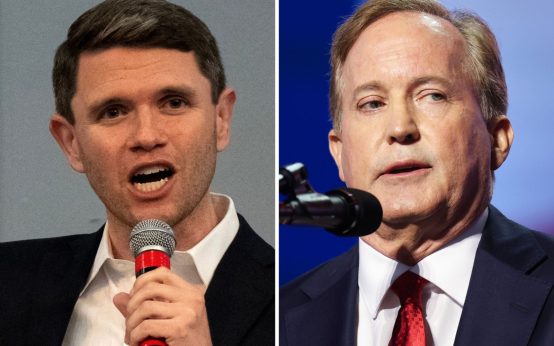 Texas Senate Race: Talarico Challenges Paxton to Fox News Debate
  Immigration Enforcement Impact on the Cattle Industry
  Judge Holds DHS in Contempt Over Deportation
 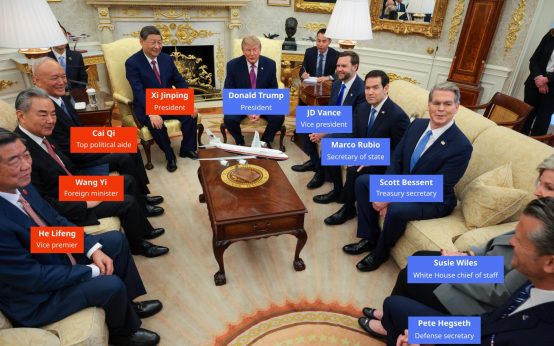 Xi Jinping’s Future and Leadership in China
  Significant Events in Chicago’s History on September 26
  Flight Cancellations and Your Rights: What You Need to Know