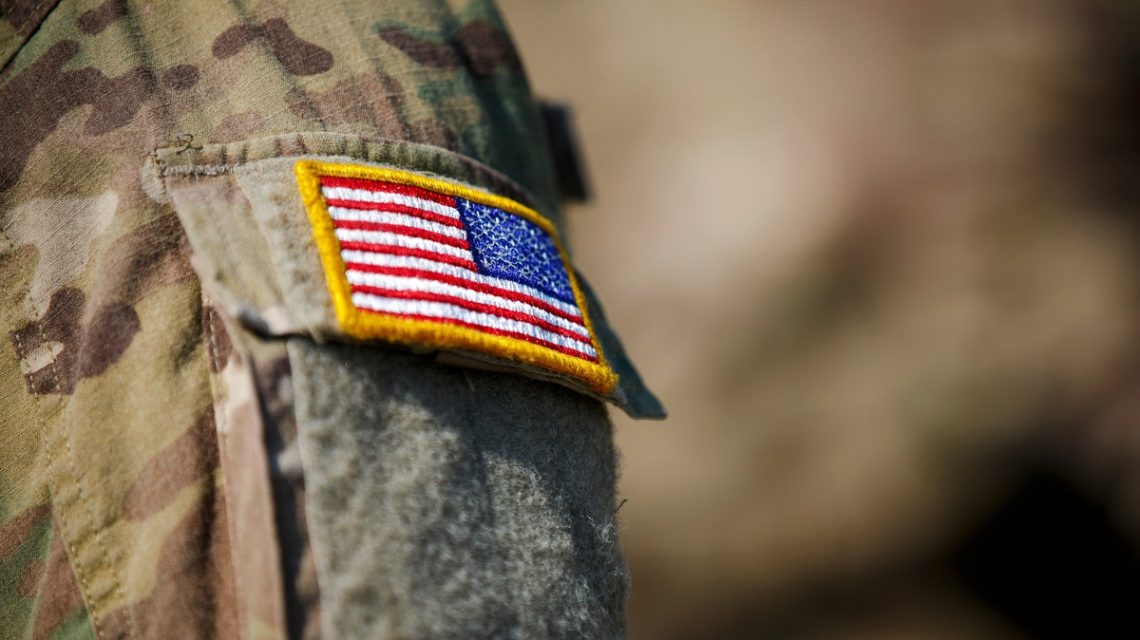
In early 2016, I discussed the “Forgotten Americans” in a Fox News opinion piece. Pat Buchanan originally coined this term as a presidential speechwriter for President Nixon. Though Nixon initially used “Forgotten Americans,” he later favored “Silent Majority.” In my article, I defined the “Forgotten Americans.” They prioritize family and seek better futures for their children. They embody American exceptionalism, work diligently, practice their faith, and follow laws. When national security faces threats, they are the first to respond.
The “Forgotten Americans” advocate for secure borders and are wary of “political correctness” in education, which they financially support. A few months after my op-ed, Donald Trump’s campaign adopted the phrase “Forgotten Americans,” a key theme of his 2016 Republican National Convention acceptance speech.
CASA Program: Linking the Army to Communities
For over a century, the Army’s Civilian Aide to the Secretary of the Army (CASA) Program has connected the U.S. military and grassroots Americans. The Secretary of the Army appoints at least one person per state to volunteer in this role, often a business or civic leader. CASAs promote the Army, fostering military support within communities. The Army’s website describes them as “The Army’s Link to the People.”
By concentrating on necessary technology to protect national security, while engaging locally, the Army can maintain a grassroots connection. CASAs have effectively shared the Army story in rural schools, nurturing patriotism among youth. Additionally, CASAs assist recruiters in addressing local recruiting challenges. Currently, the Secretary of War is actively involved in recruiting efforts, although this hasn’t always been true. Achieving recruitment goals is vital, but so is earning future soldiers’ trust.
The “Soldier for Life” Program
CASAs significantly support the “Soldier for Life” initiative, aiding soldiers transitioning to civilian life. They connect veterans with local employers and guide them in civilian life decisions. Their volunteer work also benefits military families in need.
Sadly, in June 2025, the Army decided to end the CASA Program. Leadership cited a desire to prioritize technology over community engagement. While technology is crucial on modern battlefields, maintaining community ties remains essential. Last year, I delivered a keynote at Taiwan’s National Security Summit, highlighting artificial intelligence, quantum, and spectrum as future battlefield levelers.
Maintaining focus on essential technology doesn’t preclude grassroots engagement and sharing the Army’s story locally. The Army requires both Silicon Valley’s innovation and Main Street’s dedication. “Forgotten Americans” consistently step up to serve. We must revive CASA’s traditional community role without severing the Army’s connection to its people.
 Nor’easter Approaches East Coast with Increased Intensity
  Pittsburgh Doctor Tragically Killed in Home Invasion
 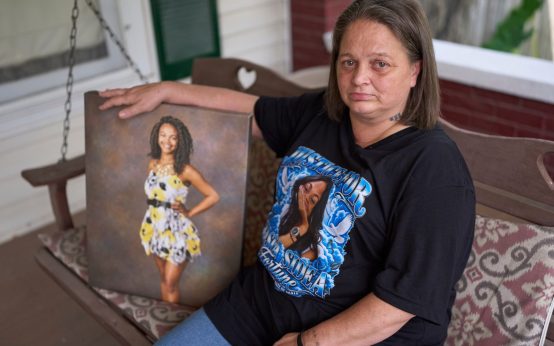 Detective Testifies in Tasia Fortune’s Case: Death Ruled as Staged Incident
  Immigration Enforcement Impact on the Cattle Industry
  Florida Senate Race: Angie Nixon’s Campaign Against AI Data Centers and Republican Stronghold
 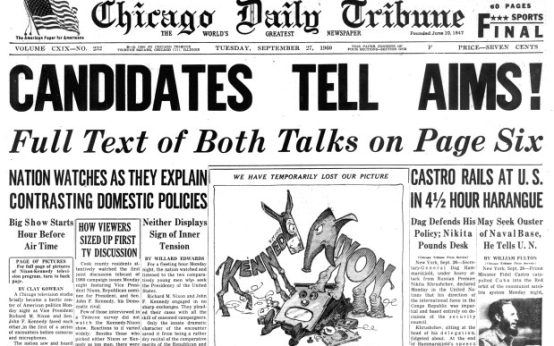 Significant Events in Chicago’s History on September 26