
Over 40 million individuals in the U.S. and Canada rely on the Great Lakes for drinking water. Unfortunately, these waters contain microplastics, tiny bits of plastic made of toxic chemicals associated with cancer and other diseases. Microplastics pollute fish as well, which are crucial in the diets of Indigenous people, certain immigrants, and communities of color. Despite the prevalence of this pollution, there is no regulation in place.
The Chicago Tribune is investigating the plastic pollution issue in the Great Lakes, which is the largest source of fresh surface water globally. A review of numerous documents revealed that industry leaders often blame consumers for the pollution, drawing parallels to strategies used by Big Tobacco.
This investigative series is part of the Pulitzer Center’s StoryReach U.S. initiative, focusing on plastic waste spread in the Great Lakes, associated health risks, and potential solutions.
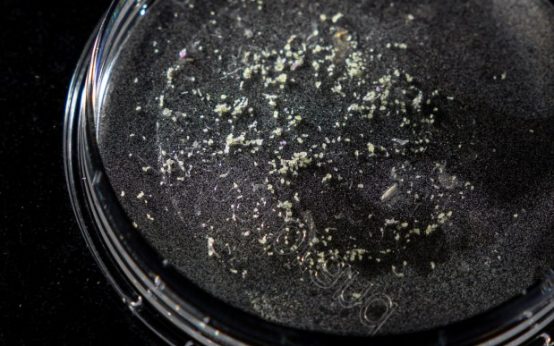
On May 1, 2026, Sherri Mason, a researcher from Gannon University, collected plastic pellets near transfer sites in Erie, Pennsylvania, highlighting the microplastic issue.
Microplastics are a concern as they could trigger diseases or cause harm when toxic chemicals leach out. Scientists are particularly worried about microplastics’ potential links to conditions such as Parkinson’s, impaired fertility, premature births, specific cancers, and developmental issues in children. University of Illinois research tracks chemicals in over 400 children since birth, examining these impacts.
Microplastic pollution extends throughout the Great Lakes, from Canada’s “Chemical Valley” with numerous fossil fuel plants, to unspoiled areas like the Apostle Islands in Lake Superior. As part of the “Great Waste in the Great Lakes” series, the Tribune highlights unnoticed risks to health and the environment.
Dedicated researchers and activists are challenging the plastic industry, looking at alternatives like flax for textiles and strict regulations. On August 10, 2026, Emily Kowalski from Environment Illinois found plastic pellets along the Wild Mile in the Chicago River.
In Illinois, a significant legal development occurred. The state became the first in the Great Lakes area to label industrial plastic pellets, or nurdles, as pollution. This requires companies handling nurdles to report spills and create storm runoff control plans, addressing an increasing contamination issue in these watersheds.
 Reviving Ancient Methods to Combat Plastic Waste
  Federal Proposal Affects 7-OH Sales in Illinois Amid Rising Concerns
  Heidi Overton’s FDA Hearing on Vaccines and Abortion Pills
  Tomato Paste May Enhance Cognitive Function, Spanish Study Indicates
  Online Sports Betting: Rewards, Risks, and the Dilemma of Responsible Gaming
  Mia Constantinou’s Journey: From Soccer Fields to a Struggle with Spinal Health