
The modern college classroom has changed dramatically over the years. As a political science professor with nearly two decades of experience, I have witnessed these changes firsthand. In earlier years, my initial challenge was often getting a room filled with talkative students to settle down. It was a lively environment where engagement was visible and immediate.
Today, the scenario is different. I frequently step into a silent room, noticing students absorbed in their phones, disconnected from those sitting nearby. This shift reflects a broader trend among college undergraduates. Interaction within classrooms, crucial for both academic growth and social development, faces obstacles due to the allure of digital devices.
Addressing this issue involves encouraging students to be more present in their surroundings. As educators, we are tasked with not only imparting knowledge but also fostering spaces where communication thrives. Initiatives to integrate collaborative work and discussions can help bridge the gap, urging students to engage actively with peers.
Loneliness on campuses is a growing concern and merits attention. Strategies focusing on mindful presence and interaction may aid in overcoming feelings of isolation.
Recognizing this change is an essential step. As we adapt our teaching methods, the ultimate goal is to cultivate an enriched learning environment. Creating opportunities for meaningful interactions allows students to build networks and support systems, reducing the isolation that technology sometimes inadvertently fosters.
 Selective Accountability in Education Raises Concerns
  Debate Over New York City’s Specialized High School Admissions
  Understanding College Costs and Financial Aid
 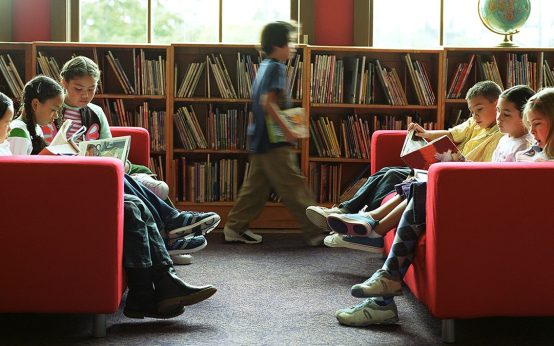 Charlotte Mason’s Influence on Modern Education and the Appeal of ‘Living Books’
 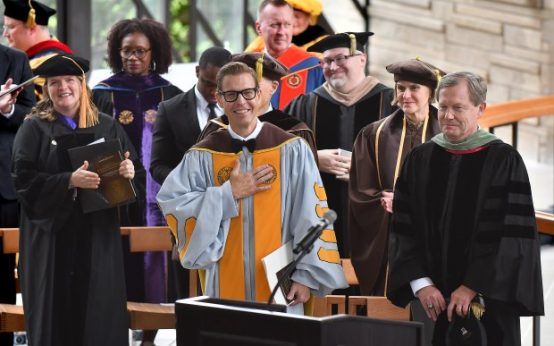 Rev. Brian Konkol’s Inauguration as Valparaiso University’s 20th President
  Federal Student Loan Borrowers Face Deadlines for New Repayment Plans