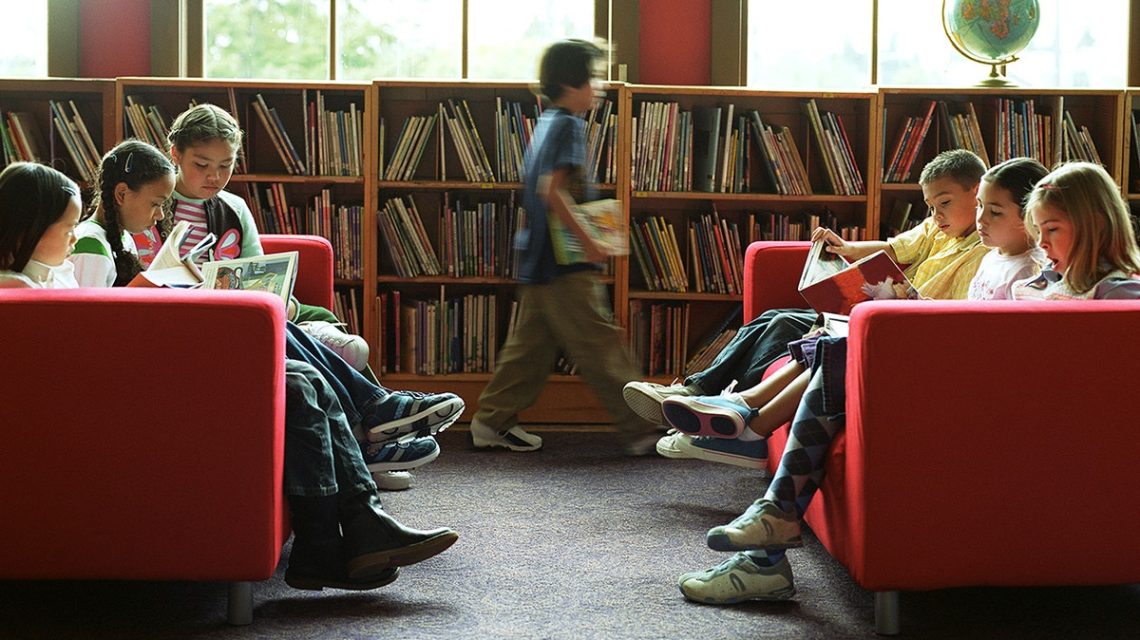
As September progresses, children have settled into their school routines. The school curriculum often includes standard textbooks. In public schools, these books are typically created by committees and may lack inspiration or promote certain agendas. Sometimes, lessons are presented on impersonal computer screens.
There’s an alternative rooted in education reform over a century ago. British reformer Charlotte Mason has significantly influenced homeschooling in America. Some of her educational philosophies can benefit both parents and educators today.
Charlotte Mason and Her Educational Philosophy
Charlotte Mason advocated for making learning a lifelong pursuit and instilling an early desire for knowledge in children. She believed that providing education similar to providing necessary nutrients was essential. Textbooks were not the primary source of ideas for students to engage with, in her view.
“Children must have books, living books … the best is not too good for them; anything less than the best is not good enough.” – Charlotte Mason
Living Books: What Are They?
Mason emphasized the value of ‘living books,’ written by individual authors who engage the reader’s mind and spirit. These books often feature rich narratives and character development. Some recommended titles for young learners include “The Trumpet of the Swan,” “Black Beauty,” and “A Little Princess.” Middle schoolers might enjoy “My Side of the Mountain,” “Around the World in 80 Days,” and “To Kill a Mockingbird.” High school students can delve into “Pride and Prejudice,” “David Copperfield,” and the “Lord of the Rings” trilogy.
Living books often challenge readers with new vocabulary and concepts, promoting intellectual growth. Contrary to popular belief, complex language forms like those in Dickens’s novels can enhance a young reader’s grasp of the English language.
The Impact of Living Books
Authors like E. B. White, who wrote classics such as “Charlotte’s Web,” believed in challenging young readers, stating, “Anyone who writes down to children is simply wasting his time.” White’s use of words like “radiant” and “humble” helped children expand their vocabulary and engage more deeply with the material.
Living books encourage students to transition from passive to active learning. Retelling a story like “The Little Princess” can foster communication and analytical skills that last beyond school.
Implementing Mason’s Philosophy at Home
Parents should encourage their children to explore living books. Books like “Little Women” can impart lessons about family and sacrifice, while “The Adventures of Huckleberry Finn” explores themes of friendship and courage.
According to Charlotte Mason, “Education is an atmosphere, a discipline, a life.” Embracing her philosophy through living books can enrich the educational experience for children and adults alike.
Beth Herman, a visiting fellow at Independent Women’s Education Freedom Center, is currently completing her master’s degree in Classical Education at the University of Dallas.
 Rev. Brian Konkol’s Inauguration as Valparaiso University’s 20th President
  Federal Student Loan Borrowers Face Deadlines for New Repayment Plans
  Improving Education Opportunities for Military Veterans
  Student Loan Groups Urge Congress for Oversight Hearings
  A Controversial Stance on Immigration Policies Sparks Debate in South Carolina
  Politics, Academia, and Their Impact on Standards