
For over twenty years, I have been working in emergency departments throughout Chicago. I have witnessed the consequences when a hospital vanishes from a neighborhood that relies on it. The result is ambulances traveling greater distances, waiting rooms becoming overcrowded, and patients arriving in worse conditions due to the lack of timely care.
What I did not anticipate during my career was seeing hospitals close, not due to insufficient neighborhood support, but because their assets might be more profitable when liquidated rather than maintained for service.
Private equity groups have taken ownership of hospitals, aiming to generate profits for their investors. This trend raises concerns as it risks the wellbeing of patients, communities, and healthcare providers. The primary goal of private equity is financial gain, which sometimes leads to cutting costs or closing facilities to maximize returns.
Such actions can disrupt essential medical services in the communities they serve. Patients may face longer travel times to access care, and hospitals become crowded. This scenario can lead to delays in care and worsen patient outcomes. The closure of local hospitals driven by asset valuation affects not only immediate healthcare but also the overall health of communities relying on these facilities.
Moreover, healthcare providers working in these environments may encounter increased pressure and challenges. Resources may become scarce, and job security can be threatened by ownership changes. Providers dedicated to aiding communities face tough conditions when corporate profit motives influence hospital management decisions.
The implications are profound. Communities lose vital services as hospitals close or restructure for profit. Patients face barriers to accessing essential healthcare, and medical staff bear the brunt of operational changes. As private equity continues to dive into healthcare, it is crucial to examine its impact on the societal fabric.
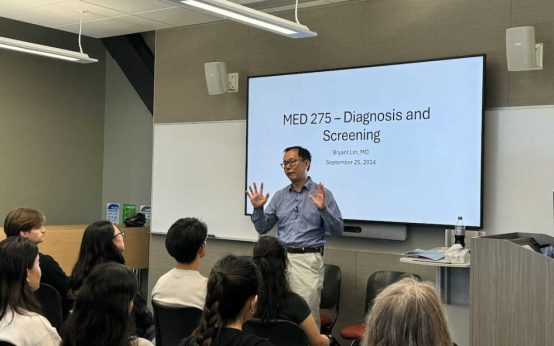 Professor Lin’s Dual Journey: Expert and Stage IV Patient
  Microplastics in the Great Lakes: A Growing Concern
  Federal Proposal Affects 7-OH Sales in Illinois Amid Rising Concerns
  Heidi Overton’s FDA Hearing on Vaccines and Abortion Pills
  Tomato Paste May Enhance Cognitive Function, Spanish Study Indicates
  Online Sports Betting: Rewards, Risks, and the Dilemma of Responsible Gaming