The White House announced on Friday a significant cut of $810 million from congressionally approved spending targeted at minority groups, immigrants, and research programs. President Trump’s use of a pocket rescission to achieve this has sparked controversy and legal debate. This technique involves withholding approved spending under the 1974 Impoundment Control Act, which critics argue is an overreach of presidential power.
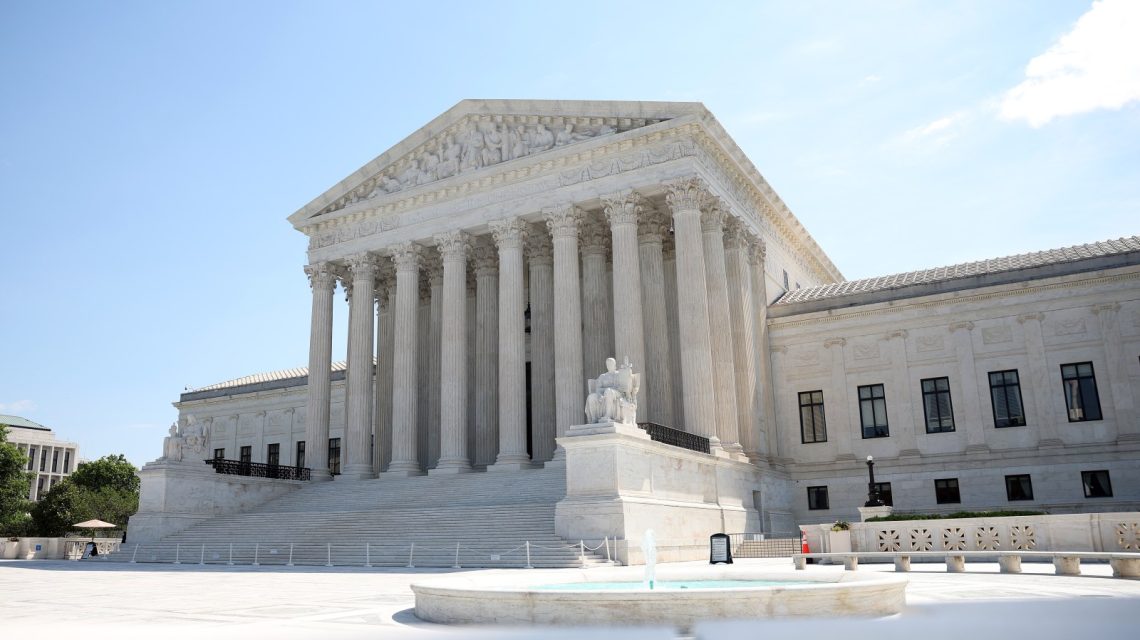
This practice is not new for Trump, who previously used it to block $4 billion in spending, including $3.2 billion intended for the U.S. Agency for International Development (USAID). The case eventually reached the Supreme Court, which did not rule on the legality of the method but overturned a lower court’s injunction that could have compelled spending as Congress intended.
Implications of Pocket Rescission
The use of pocket rescission demonstrates the administration’s commitment to cutting what it considers unnecessary spending. This approach allows withholding of funds that Congress has already approved, thus prompting a potential constitutional conflict over budgetary powers between the executive and legislative branches. Normalizing this practice may greatly enhance presidential control over federal expenditures.
The Trump administration described the rescission as targeting ‘wasteful and harmful government spending that does not benefit American citizens.’
The funds affected include those for non-governmental organizations assisting migrants and various educational programs. Under the Impoundment Control Act, the president can temporarily halt spending while asking Congress to reassess. Congress has a 45-day window to respond, but the fiscal year’s timing often makes this impractical.
Supreme Court Involvement
In 2025, Trump used pocket rescission to withhold $4 billion, largely impacting USAID and State Department budgets. Senator Susan Collins, chair of the Senate Appropriation Committee, criticized the move as unlawful. The U.S. District Court initially blocked the withholding, but the Supreme Court later lifted this injunction in a 6-3 decision along ideological lines. While the court favored the executive authority in foreign affairs, it cautioned that their decision wasn’t a definitive ruling on the case.
Justice Kagan dissented, arguing this action was an overreach and a breach of Congress’s budgetary authority. She indicated the administration had not shown sufficient harm that would result from the continued injunction and urged further judicial examination.
Reactions and Criticism
The recent announcement to rescind $810 million prompted strong reactions. Senate Minority Leader Chuck Schumer condemned the decision as an illegal reduction of vital funding, impacting children, education, small businesses, and environmental research.
Senator Collins accused the administration of purposefully delaying funds to facilitate this cancellation and stressed it undermines stipulated congressional powers over federal appropriations.
These events highlight an ongoing legal and political dispute over presidential authority in budgetary matters, with potential long-term implications for the separation of powers in U.S. governance.
 Irish Prime Minister Rejects Claims of Antisemitism in Israel Criticism
  Potential Impact of Changes to the National Vaccine Injury Compensation Program
  Governor Newsom Signs Bills to Protect LGBTQ Community in California
  Democrats Narrow Voter Registration Gap in Key Senate Races
  Natalie Harp’s Role and Media Portrayal
  President Trump’s Visit to the Presidents Cup in Medinah