Last week, Volodymyr Zelensky announced that Donald Trump agreed to allow Kyiv to produce U.S.-designed Patriot air defense systems on Ukrainian soil. Although the White House has not confirmed this, even if the license were granted, Ukraine faces a challenging timeline. Russia’s defense industry continues to produce more ballistic missiles and jet-powered drones, surpassing Ukraine’s air defenses.
Escalating Threats
Moscow fired 587 ballistic missiles in the first seven months of the year, exceeding the 511 fired throughout 2025. As of September 27, nearly half of the drones invading Ukraine’s skies were jet-powered. Zelensky revealed that only 55% of these drones are intercepted by Ukrainian defenses, allowing roughly 70 UAVs to evade interception over two nights.
Recognizing the critical situation, Ukraine’s armed forces have prioritized destroying missile and drone launch facilities before their deployment. New strategies align with ongoing defense operations.
Patriot Systems and Promises
During the United Nations General Assembly in New York, discussions between the U.S. and Ukraine highlighted a plan for manufacturing Patriot interceptors domestically. Zelensky announced Trump’s decision to license Kyiv for this production.
Obtaining written agreements remains a challenge. Currently, Patriot interceptors are considered the most effective solution against ballistic missiles. However, these systems are complex and expensive. The U.S. Army’s 2024 contract for Patriot components is valued at $4.5 billion.
If Ukraine manages to produce interceptors at a lower cost, the production process may still take 12 to 18 months. Concurrently, Ukraine collaborates on the FREYJA program to develop anti-ballistic missile systems, albeit with delays in prototypes.
Russian Production Capacity
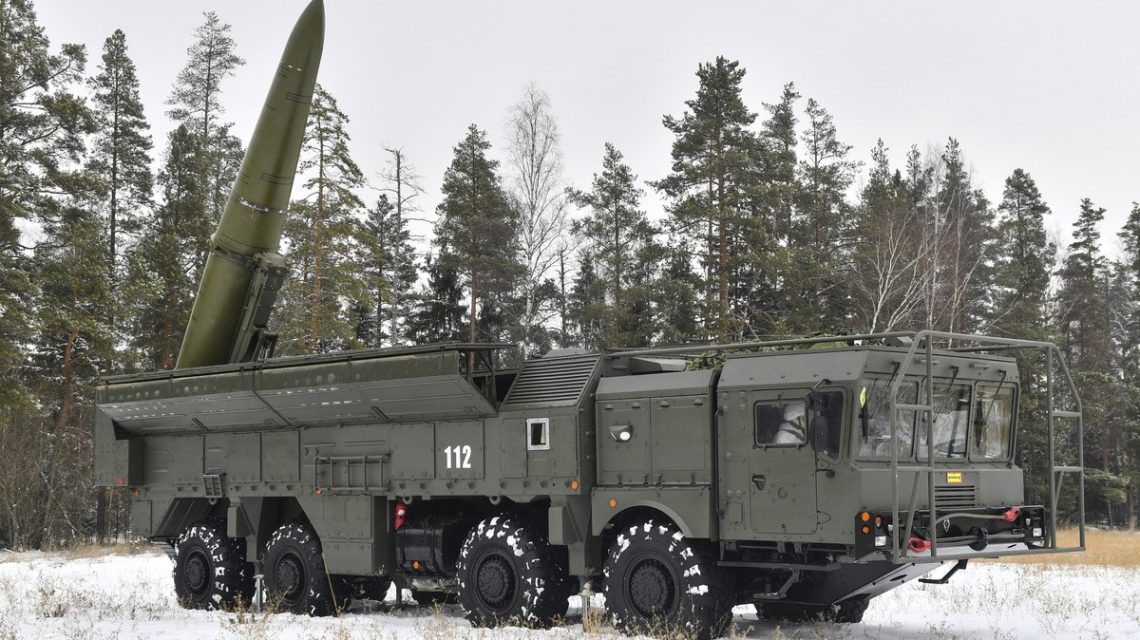
Russian military intelligence estimates monthly production of 55 to 60 Iskander-M ballistic missiles. Additionally, Russia produces up to 50 RM-48Us, training missiles repurposed for attacks, allowing approximately 100 ballistic missiles monthly without depleting reserves.
Increasing Drone Threats
Patriot systems are intended for ballistic missile defense, not drones. Russia’s production and deployment of jet-powered drones escalate rapidly, presenting a formidable challenge to Ukraine.
Moscow initially sent about 350 drones in June, escalating to 1,500 in July and 2,850 in August. By September, over 2,730 drones were launched. The quality of Russian drones, such as the improved Geran-4 and Geran-5, increasingly poses a threat with enhanced capabilities.
Ukraine cannot maintain interception rates in the 50% range. Immediate solutions are necessary to address drone threats effectively.
Targeting Launch Sites
Ukrainian research and development focuses on interceptors to counter the growing threats. Multiple companies are prototyping systems to combat jet-powered drones. Four designs are progressing into production, according to Zelensky’s U.N. address.
Ukraine’s strategy includes targeted strikes on launch and production facilities. Recent attacks diminished Russian capabilities, damaging launchers, jet drone platforms, and warehouses in occupied territories and across the Russian border.
On September 25, Ukrainian forces hit three Russian plants involved in missile production. Over the next two days, another strike targeted a drone facility in occupied Donetsk.
The systematic strike program is now a top priority in Ukraine’s combat operations. As engineers develop interceptor solutions, Ukrainian forces aim to extend their defense perimeter outward, targeting factories and launch sites responsible for missile and drone threats.
 Escalating Conflict Between Russia and Ukraine Intensifies with New Attacks
  Farmers’ Alert Leads to Terror Plot Foil in England
  Foiled Terror Plot at U.S. Military Base Highlights Risks in the U.K.
 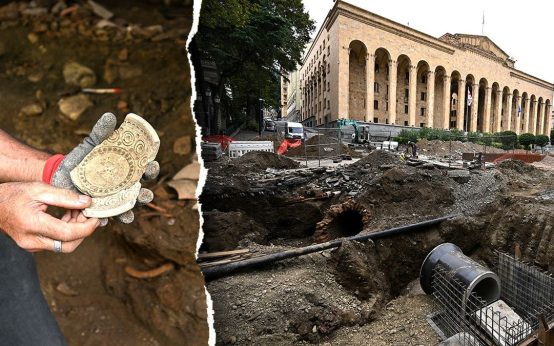 Ancient Pottery Discovered During Renovation in Tbilisi
  Migrant Caravan Moves North Through Mexico Amid U.S. Crackdown
  Pope Leo XIV Praises EU for Its Unity Efforts