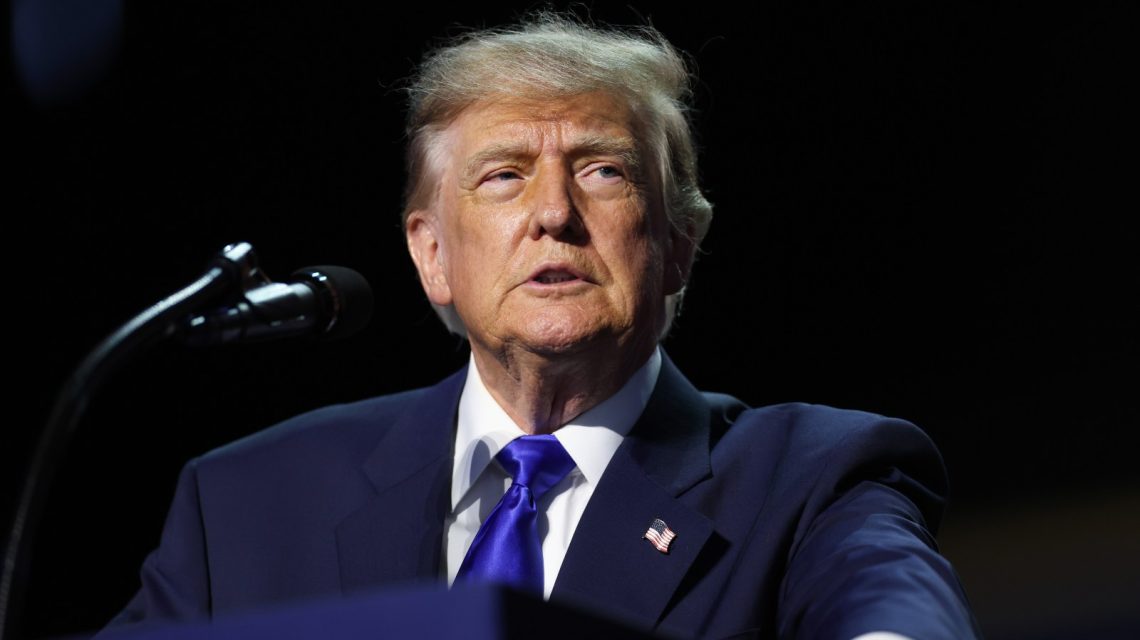
Trump’s Public Advertisements
As the midterm elections approach, President Donald Trump is in the spotlight due to taxpayer-funded advertisements promoting his administration’s agenda. These ads have elicited criticism from some Republicans. The White House released three ads reviewing Trump’s policies. One emphasizes his critique of communism, featuring music by JMSN, followed by UFC CEO Dana White commending Trump as resilient. Another highlights Trump’s pledges to tackle the deep state and remove warmongers from the government. A third ad portrays Trump’s vision of a ‘golden age’ at Mount Rushmore.
Tagged as public-service announcements, these advertisements have prompted bipartisan condemnation. Questions arise about their appropriateness and taxpayer money usage. The Associated Press reports the cost of the first ad at over $443,000. These ads display Trump in prominent media positions, weeks before the midterms, seen as a referendum on his administration.
Republican Dissent on Trump Ads
Several Republicans have expressed disapproval with Trump’s advertisements. Senator John Kennedy from Louisiana criticized spending public money on private advertisements. He implied that existing rules may already prohibit such actions. Representative Thomas Massie from Kentucky likened the ads to practices typical in a banana republic, highlighting their legality in that context.
Senator Thom Tillis of North Carolina deemed these ads inappropriate, questioning the necessity of utilizing taxpayer dollars instead of private funds. Other conservatives have joined the chorus of opposition, labeling the ads as propaganda and a misuse of taxpayer resources.
White House’s Defense
The White House defends the ads as patriotic public service announcements aimed at reminding citizens of the country’s value. They argue the ads serve an educational purpose, advocating national pride.
Impact on Midterm Elections
Political science professor Robert Y. Shapiro suggests the ads may not significantly affect Trump’s standing, as many Americans already view them as political advertisements. With Trump’s unpopularity rising over economic concerns and high living costs, the ads’ influence remains uncertain.
Past presidents have utilized public service announcements, like those during the Biden administration focused on COVID-19 vaccine safety. Federal agencies are allowed such spending when serving government purposes. However, legislation bars agencies from unauthorized publicity. Critics argue Trump’s advertisements blur these lines, promoting partisan interests over public information.
Trump’s Approval Ratings
Recent polls indicate declining approval for Trump. An American Research Poll showed his approval at 29 percent, while disapproval stood at 68 percent. The specifics include the Emerson College poll revealing a net rating of -19 points. Surveys conducted by YouGov and The Economist also reflect significant disapproval rates.
Republican Relationships with Trump
Some Republicans are reconsidering their ties with Trump amidst declining approval ratings. Concerns over economic issues and fuel prices influence their stance. Representative Ashley Hinson and others have voiced demand for resolving the Iran war and mitigating oil price impacts.
Representative Maria Elvira Salazar criticized the administration’s immigration actions, advocating for humane reforms instead of amnesty. Campaign strategies are adjusting; for example, Representative Byron Donalds has distanced his platform from Trump in his Florida gubernatorial run.
Future Implications
As the midterms near, Trump’s popularity could significantly impact campaigns. Key issues like the economy and foreign affairs are expected to play critical roles in shaping voter inclinations.
 Latest Developments in Politics and Policy
  Trump Administration’s Childcare Proposal Raises Concerns
 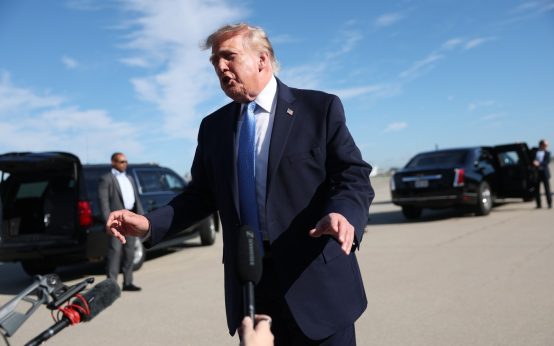 Trump Administration Faces Criticism for Government-Funded Ads
 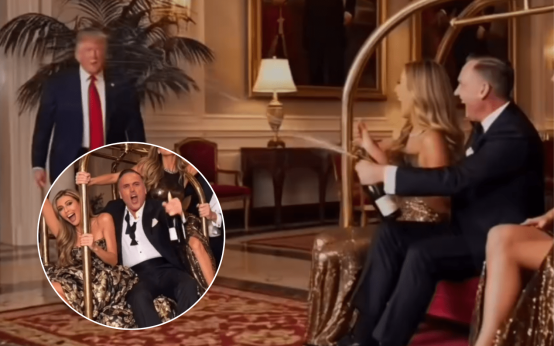 White House AI Video Sparks Criticism Amid Economic Concerns
  The Challenges Facing President Trump: Nuclear Weapons, Climate Change, and AI
  Imitation in Execution Methods: A Critical Analysis