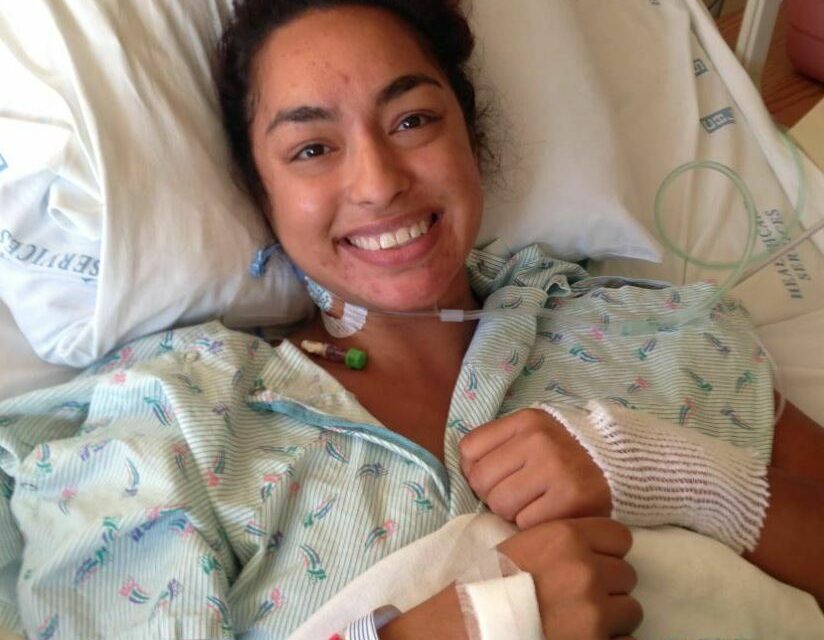
In February 2021, Leila Mirhaydari finally visited her kidney doctor in Hawaii as pandemic restrictions started to relax. This visit was crucial after a year of independently managing her transplanted kidney, which she received in 2014. Her recent lab results showed her body was rejecting the organ.
Leila’s original kidneys failed at 27, resulting in years of dialysis and a search for a donor. Her step-cousin, Miles Landis, donated a kidney in 2014. She named it “The Hulk,” celebrating her freedom from dialysis and ability to explore life for eight years. Now facing rejection, Leila prepares for another lengthy process.
Organ rejection often occurs when the body’s immune system attacks the foreign tissue. Transplant recipients use medications to suppress immune responses, preventing this “snowball effect.” Dr. Nicolae Leca of UW Medicine emphasizes that without adequate immunosuppression, rejection can progress.
Living donor kidneys typically last 15-20 years, yet rejection can happen sooner. In March 2020, Leila lost her job due to the pandemic, losing access to crucial health insurance for her medications. Financial constraints led her to reduce her doses, allowing her immune system to strengthen against her kidney.
Leila anticipates returning to dialysis while awaiting a new donor. Recently active on the UNOS list, she battles guilt and shame but seeks another living donor. Over 100,000 Americans need organ transplants, most requiring kidneys. Daily, around 17 people die waiting.
In 2022, over 6,400 people donated organs. A 2020 law now enables Medicare to cover immunosuppressive medications, offering hope to future patients. Although this law was too late for Leila, she finds solace knowing it will benefit others.
For more info on living organ donations, visit the United Network for Organ Sharing.
This episode was produced by Liz Metzger, edited by Rebecca Ramirez, and fact-checked by Zazil Davis-Vazquez. The audio engineer was Gilly Moon.
 Voluntary Recall of Mezzetta Peperoncini Due to Pest Contaminant
  Political Push for Insulin Price Cap
  The Impact of Private Equity on Hospitals
  A Mother’s Journey: Raising a Son with Down Syndrome
 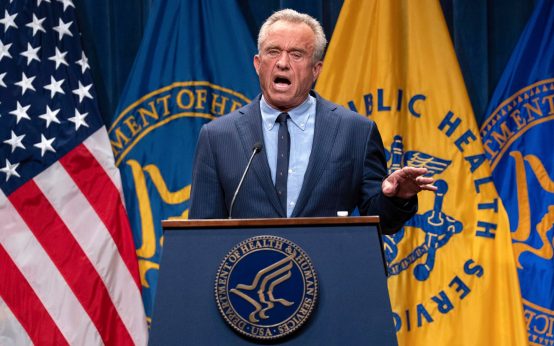 Potential Impact of Changes to the National Vaccine Injury Compensation Program
  Living with Sickle Cell: The Glover Family’s Journey