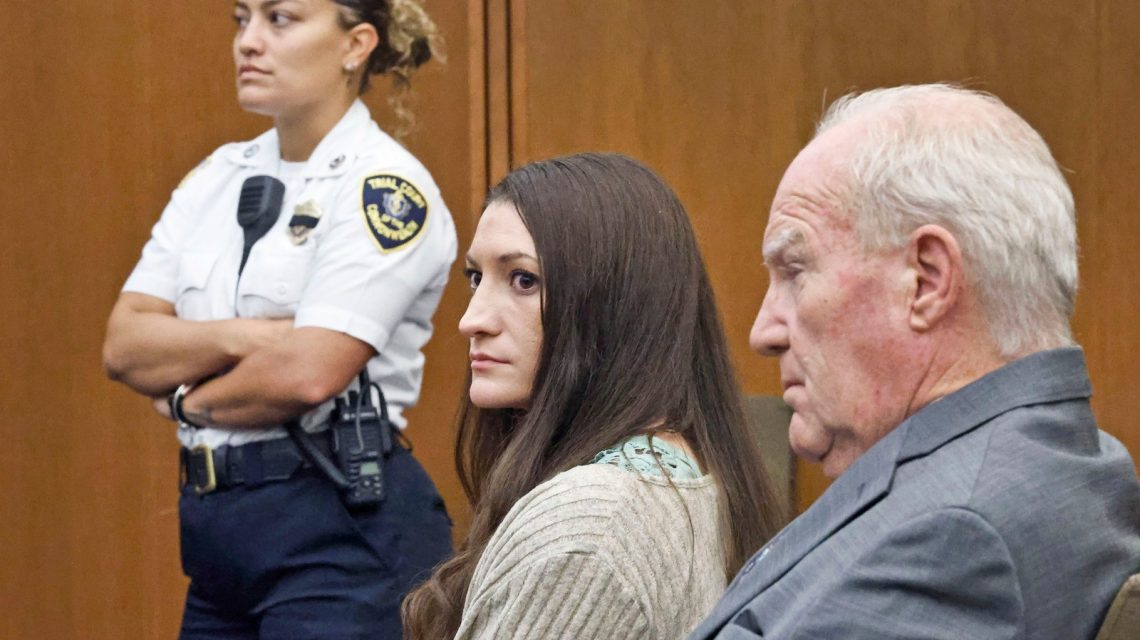
Lindsay Clancy faces another court hearing following the declaration of a mistrial in her murder case. The upcoming hearing might provide insight into whether prosecutors will pursue a retrial or consider a plea agreement.
Legal Experts Weigh In
Seth J. Zuckerman, a criminal defense attorney, shared his views with Newsweek, noting that Clancy’s defense has limited grounds to prevent another trial on double-jeopardy grounds. He explained that the United States Supreme Court allows the government to retry a defendant if a mistrial occurs due to a hung jury. Judges have broad discretion in declaring a mistrial when a jury is deadlocked.
Clancy’s attorney, Kevin Reddington, is challenging the mistrial ruling, arguing there was no “manifest necessity” for it. The judge’s actions during the jury deadlock are central to this argument, as Reddington claims he could have taken additional steps.
Motions Filed by the Defense
Reddington has filed a motion asking the judge to dismiss the case based on double jeopardy and another motion seeking a verdict of “not guilty.” This latter motion argues that prosecutors did not present sufficient evidence to prove Clancy’s criminal responsibility.
If the court agrees with the “not guilty” argument, the case ends, Zuckerman explained. The standard for judgment is whether the evidence, viewed favorably to the prosecution, allows a rational person to find guilt beyond a reasonable doubt.
Reddington highlights a holdout juror during deliberations as influencing the mistrial, requesting an investigation into the juror’s conduct. Questions have arisen about whether the juror misrepresented information during jury selection or used a cellphone while deliberating.
Upcoming Hearing Details
The hearing at Plymouth Superior Court intends to address these disputes and review the prosecution’s next steps. While Zuckerman expects the prosecutor to announce plans either to retry Clancy or to negotiate reduced charges, the outcome remains uncertain.
The case stems from charges of first-degree murder related to the deaths of Clancy’s three children in January 2023. The defense argues she was suffering from postpartum psychosis, affecting her criminal responsibility.
Implications of the Holdout Juror
Michael Desronvil, the sole dissenting juror, insists Clancy is criminally responsible, contrary to claims of reasonable doubt. Desronvil’s attorney argues jurors should be free to form conclusions without fearing scrutiny for minority views.
The defense contends that an investigation is needed since his actions connected to the mistrial declaration. Whether the court will further investigate the juror or amend the mistrial decision remains a pivotal factor.
Potential Outcomes
If a retrial does not happen or the court bars it, Clancy’s murder charges will not proceed further. The defense works toward a “not guilty” decision, blocking future attempts at retrial.
Another potential scenario involves negotiation over reduced charges or a plea deal, avoiding a full retrial. Clancy’s legal status hinges on the resolution and outcomes of the defense motions.
Next Court Date
Clancy returns to court, with the hearing centering on resolving these critical legal issues post-mistrial. Expect discussions on the trial’s progress, possible arguments, or the defense’s motion considerations.
The prosecution’s decision on pursuing a retrial is vital, affecting Clancy’s path ahead. Hence, this hearing sets the stage for critical developments in her legal battle.
 Execution of Christa Pike Sparks Protest and Legal Appeals
  Lindsay Clancy Case Returns to Court Amid Legal Strategies and Juror Dispute
  Juror Speaks Out After Lindsay Clancy Mistrial
  Tennessee Grandmother Sues North Dakota City Over AI-Led Wrongful Detention
  Lobbyist’s Son Arrested in Drunken Collision with Father
  Investigation Reopened in Cornell University Rape Allegation