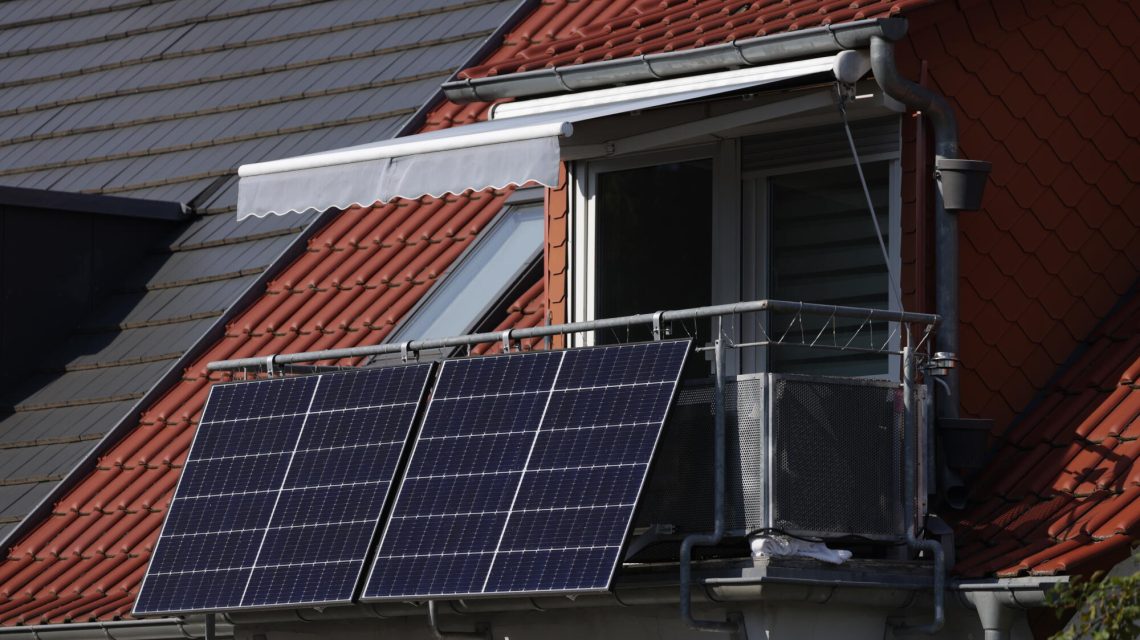
California renters and apartment residents now have a viable option to lower electric bills with plug-in solar panels. Governor Gavin Newsom recently signed the Plug and Play Solar Act, introduced by Senator Scott Wiener. This law permits both renters and homeowners to install small solar panels on patios or fences, connecting them directly to wall outlets without utility permissions.
Wiener highlighted that this legislation empowers individuals, especially renters, to manage their energy expenses. Known as ‘balcony solar,’ this approach is gaining popularity in Germany and is legal in at least nine other U.S. states. The new law allows panels with a maximum capacity of 1,200 watts, sufficient to power a refrigerator and several small appliances.
Some Californians had already purchased and utilized these panels despite legal uncertainties. However, the law requires that eligible panels sold in the U.S. receive certification from organizations such as UL Solutions.
Bernadette del Chiaro, from the Environmental Working Group, expects approved products to be available by 2027, as two companies seek approval by year-end. Her group co-sponsored the bill.
Pacific Gas & Electric opposed the bill, citing safety and financial equity concerns. They suggested that individuals without panels might bear an unfair share of grid maintenance costs.
In addition to this legislation, Newsom signed other bills favoring small-scale solar and home batteries. Senator John Becker’s SB 905 requires an assessment of existing power lines’ capacity to carry additional electricity. It also evaluates if home batteries and smart devices could offer cost-effective alternatives to infrastructure upgrades.
Further, Becker’s SB 913 facilitates the integration of virtual power plants into California’s energy market. These plants involve systems like home batteries and smart thermostats sharing power directly with the grid.
Despite these advancements, Newsom previously excluded funding in the year’s budget for sustaining California’s largest virtual power plant through the following year. He also vetoed AB 1813, a bill aimed at enhancing community solar programs where residents could benefit from nearby solar arrays at reduced electrical costs.
 Senate Democrats Block Data Center Bill
 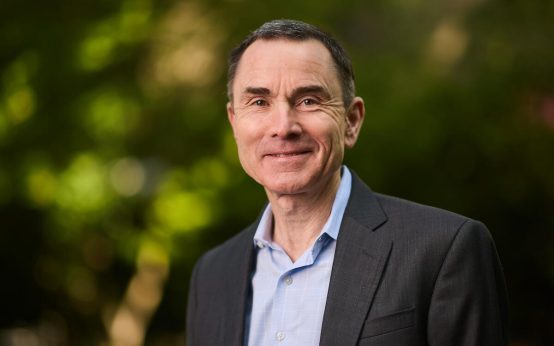 USC Appoints David Madigan as New Chief Academic Officer
  Urban Innovations: New City Concepts
 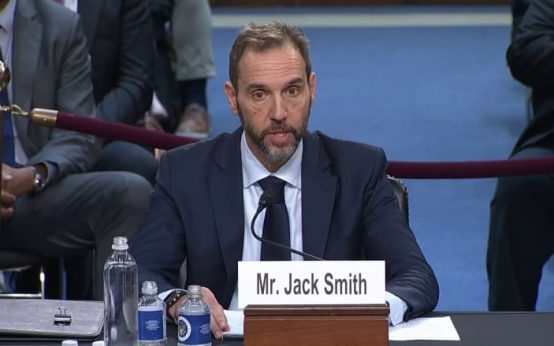 Key Developments from Today’s News
  Key Events in Politics and Technology: U.S. and U.K. Developments
  The Shift Towards Work-Cations and Their Impact on Modern Workplaces