
In recent years, states have increasingly become testing grounds for innovative energy policies. This trend emerges even as federal actions step back. The focus on state-level initiatives gains importance as the federal government shifts its priorities.
Recent events highlight this shift. A sticker showing President Trump next to gasoline and diesel prices in Pennsylvania symbolizes the broader national debate. This image, captured on September 9 by AP photographer Ted Shaffrey, points to key political and economic discussions ongoing in local settings.
The Hill, known for its nonpartisan insights into government dynamics, provides context to this scenario. When President Trump resumed office last year, immediate impacts hit the energy sector. Administration decisions through legislation and executive orders weakened federal agencies overseeing energy policy.
These actions put $14 billion in clean energy and manufacturing investments at risk, unsettling industries and stakeholders reliant on such funding. Federal policies also introduced chaos, such as through tariffs and challenges to energy relief programs. Collectively, these policies have shaped the current landscape, pushing states to take initiative in forward-thinking energy strategies.
 Amy Klobuchar’s Challenge as Minnesota Governor
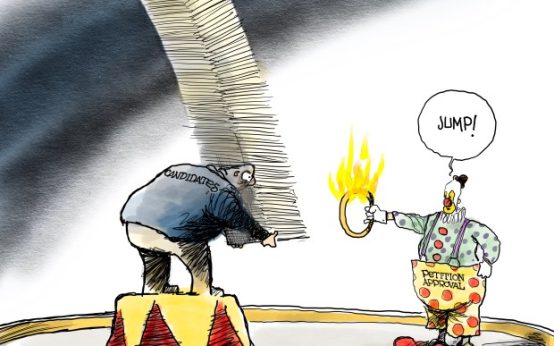 The Purpose and Challenges of Signature Collection for Political Candidates in Illinois
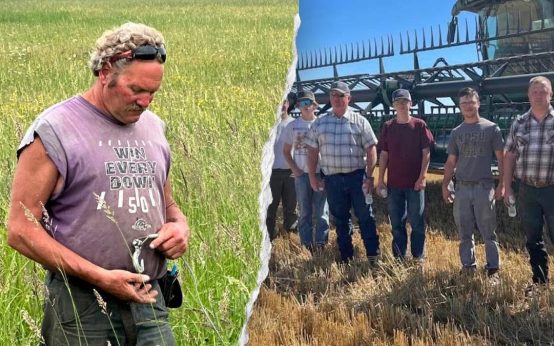 Gray Wolves Stir Controversy Over Wildlife Management
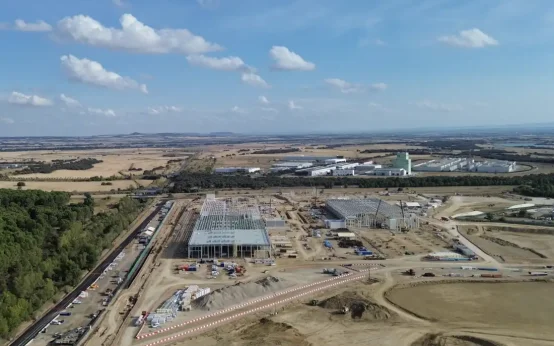 Protests Rise in Spain Against Data Center Expansion
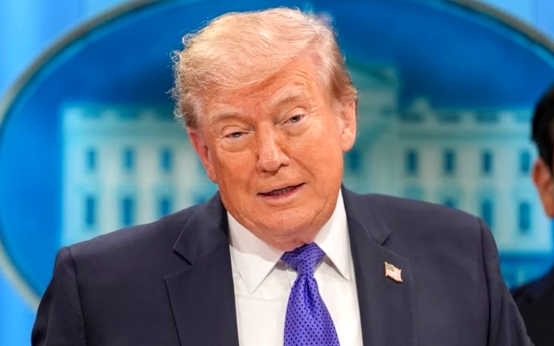 Trump’s Push for Bipartisanship with Democrats
 Highlights from Recent News Stories