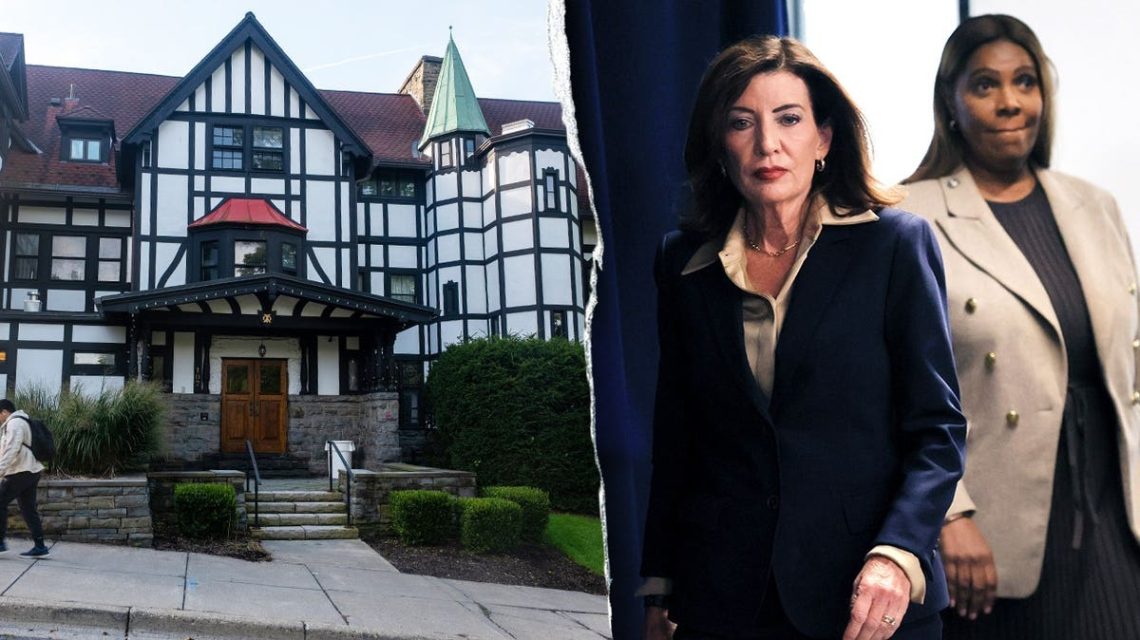
A controversial case from Cornell University in 2024 has sparked nationwide debate about consent and criminality in college culture. Seven ex-members of the Chi Phi fraternity face a civil lawsuit accused of drugging and raping a female student, Jane Doe. She claims the group assaulted her at a party after she was encouraged to take drugs and alcohol. The men deny these claims, asserting the acts were consensual, and no criminal charges have been filed.
Conflicting Accounts and Legal Proceedings
The core issue is the conflicting narratives about that night. Variations exist between Doe’s initial accounts, what prosecutors claim was reported by campus police, and the allegations in the lawsuit filed nearly two years later. The incident is now under investigation by Attorney General Letitia James.
Sequence of Events
At 20, Doe was a Cornell undergraduate on Oct. 19, 2024, when she began drinking at her sorority house. Later, she went to the Chi Phi house, heavily intoxicated. Doe claims fraternity members gave her more drinks and pressured her into snorting ketamine. Allegedly, they sexually assaulted her and shared pictures of her inappropriately on Snapchat, which circulated among the fraternity members.
In initial conversations, Doe did not characterize the events as nonconsensual, yet later claimed most interactions that night were against her will. The lawsuit was filed only afterward, prompting questions about why charges weren’t previously pursued.
Investigation and Institutional Response
Tompkins County District Attorney Matthew Van Houten initially chose not to press charges due to a lack of evidence suggesting non-consensual acts. His office’s decision hinged on a statement indicating Doe’s initial consent. The revelation of more detailed transcripts shifted the legal discussion, prompting the reopening of investigations.
Institutional and Legal Reactions
The civil lawsuit extended beyond the individuals, also targeting Cornell University and related entities for allegedly failing to protect Doe. The university has agreed to an independent review of their handling of the case.
New York Governor Kathy Hochul appointed the Attorney General’s office as special prosecutor. Meanwhile, Cornell’s internal disciplinary processes led to expulsions and suspensions of some accused students.
This case highlights ongoing issues at Cornell, with a survey indicating an increase in reported non-consensual sexual contact among female students. The events and subsequent legal actions continue to draw attention to wider discussions about sexual assault and institutional responsibility in college settings.
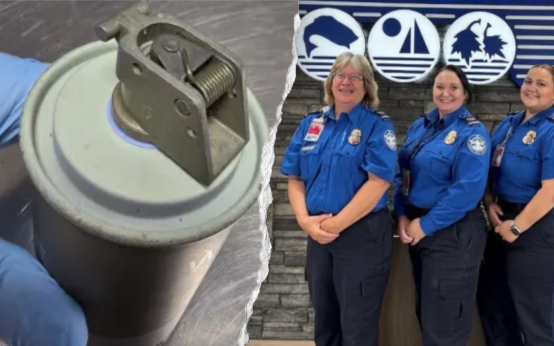 TSA Discovers Smoke Grenade in New York Airport
  September U.S. Job Growth Slows
 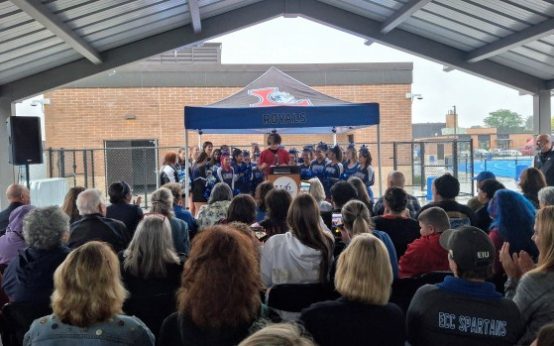 Larkin High School Unveils Its First Outdoor Sports Stadium
  Trump Faces Criticism Over Photos With Putin and Xi in White House
 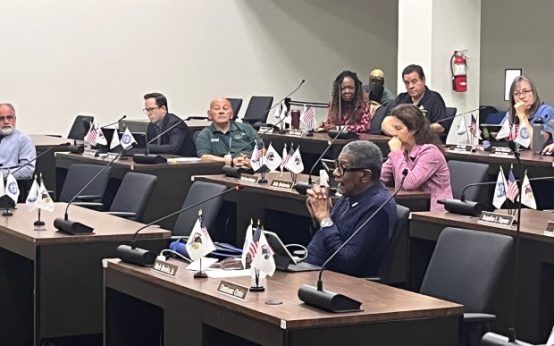 Will County Revives Bridge Project Discussions
  Defense Secretary Ensures Military Votes in Upcoming Election