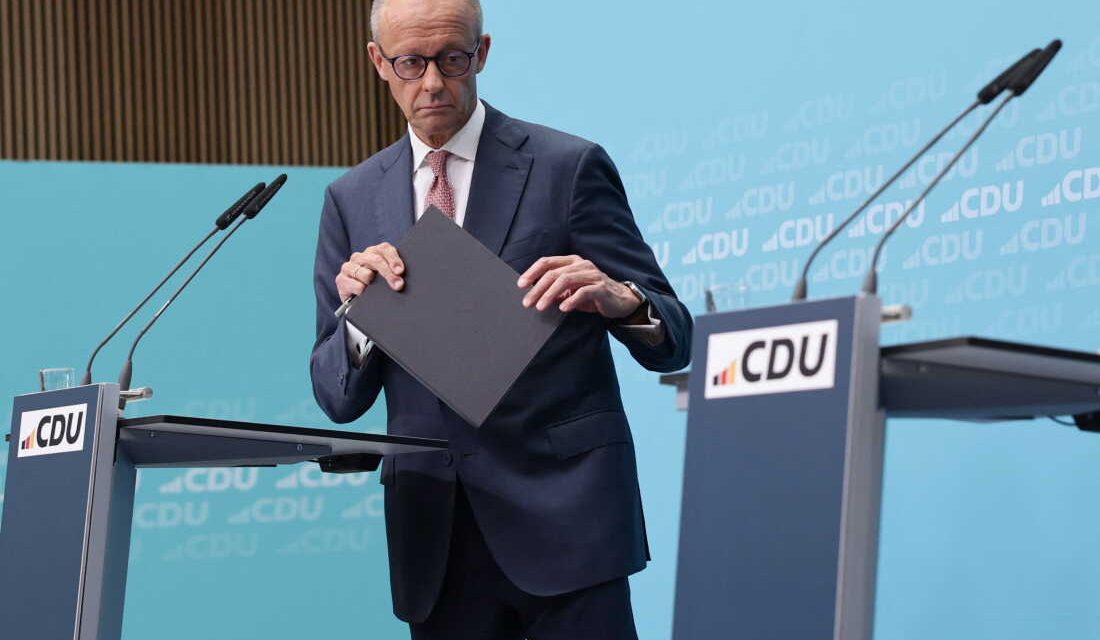
In Berlin, Chancellor Friedrich Merz of the center-right Christian Democratic Union (CDU) spoke after a day marked by significant electoral changes. The CDU, experiencing its worst results yet in state elections in Berlin and Mecklenburg-Western Pomerania, faces competition from emerging forces on the political spectrum.
The city’s markets offer a varied selection of produce, much like the ballots in recent elections. Voter Ute Istock humorously notes this variety but expresses concern about the increasing complexity of voting. “Choosing a party has become challenging,” she observes, highlighting the difficulties in forming effective governments due to a fragmented landscape.
This atmosphere reflects larger changes in German politics, where traditional centrist parties struggle against rising support for both the far-right and far-left. Dissatisfaction with centrist parties led Istock to support the Die Linke party. She says this shift reflects a lack of representation by central parties.
The electoral environment makes voters like Istock uneasy, particularly as Germany’s political fragmentation and economic struggles recall times that preceded the rise of fascism. Chancellor Merz echoes this apprehension, acknowledging declining trust in state institutions and how radical parties capitalize on it.
Currently, Merz’s CDU governs alongside the center-left Social Democrats. Their cooperation blurs their individual identities as they depend on each other to form majorities. Social Democrat Matthias Mirsch remarks in parliament on how oversimplified political discussions have become, especially after the far-right Alternative for Germany (AfD) secured a sizable win in Saxony-Anhalt. He describes today’s governance as “damn difficult,” with political discourse often reduced to extremes.
Algorithms are trained to promote outrage. The political center, relying on nuance, doesn’t go viral,says Berlin-based communications adviser Maximilian Flügge.
Despite setbacks, Merz stays determined despite speculation about his leadership. He pushes for economic reforms, aware of the need to connect emotionally with the public beyond mere statistics. His criticism points at the AfD’s visionary yet controversial policies, including “remigration,” which he describes as akin to ethnic cleansing.
While Merz receives support for this stance, the AfD’s leader, Alice Weidel, responds by positioning her party as Germany’s new, dominant force. This dynamic signals ongoing challenges for traditional parties in maintaining their relevance.
 Judicial Rulings Challenge Presidential Authority Over U.S. Attorneys
  Former U.S. Rep. David Rivera Sentenced to 10 Years for Secret Lobbying
  Protesters File Defamation Lawsuit Against Media Figure Benny Johnson
 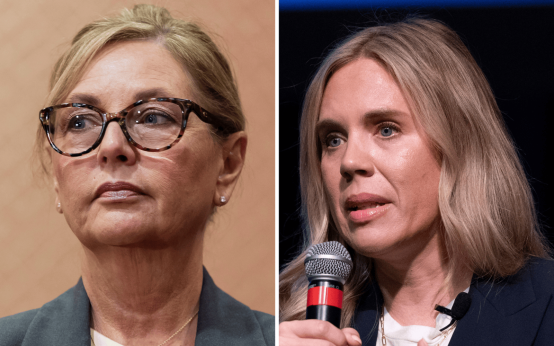 Close Race in South Carolina Senate as Democrats Eye Potential Gain
 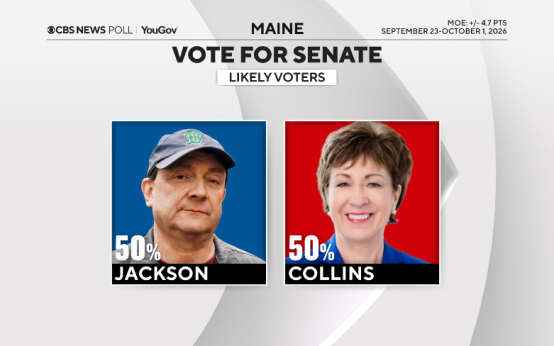 Maine’s Senate Race: A Close Contest
  Texas Becomes Key Battleground in Midterm Elections