This fall, colleges are welcoming the third class admitted since the Supreme Court ended race-conscious admissions. As the effects of that decision begin to surface, new research highlights an increase in the number of first-year students reported with an unknown race or ethnicity. Nationally, this share rose from 3.3% before the ruling to 4% in 2024, especially noticeable at Ivy Plus institutions and Historically Black Colleges and Universities (HBCUs).
The broader discussion around admissions has often concentrated on enrollment changes within highly selective colleges. The Lumina Foundation, in partnership with admissions researcher James Murphy at Class Action, released two reports this year presenting a comprehensive view of these changes. The first report tracks enrollment shifts across more than 3,000 institutions, while the second one, released in June, focuses on the rise in students whose race was recorded as unknown.
Murphy’s research, analyzing federal data from these institutions, reveals varying trends in enrollment patterns among different racial groups. At Ivy Plus colleges, underrepresented students’ enrollment fell by 4.33 percentage points, equaling nearly a 19% decline. Specifically, Black enrollment fell by 25%, and Hispanic enrollment decreased by approximately 15%. Conversely, state flagship universities saw an 8% increase in enrollment of underrepresented racial groups. Notably, while White and Asian American enrollments remained stable, Asian American students experienced growth at Ivy Plus schools.
The concept of a “cascade effect” emerges from Murphy’s findings, suggesting that declines at selective institutions correspond with rises at less selective ones. The data do not pinpoint the prior choices of individual students but raise vital questions about long-term outcomes. If well-qualified students attend institutions with lower completion rates or less promising post-graduation earnings, it poses challenges to their future prospects.
The second report, Known Unknowns, shifts focus to the clarity around student demographics. The share of first-year students with unknown racial reporting increased from 3.3% before the ruling to 4% in 2024. Ivy Plus institutions saw non-reporting rise from 3.2% to 5.8%, and HBCUs witnessed a rise from 3.2% to 4.9%. State flagships and public four-year institutions noted modest increases. Around 25% of all institutions experienced non-reporting rising by more than 1 percentage point.
Among 115 colleges and universities equipped with data on applications and admissions, applicant non-reporting rose by 0.7 percentage points. Less selective colleges had higher rates of non-reporting before and after the ruling and saw increased non-reporting afterward. Interestingly, non-reporters were admitted at slightly higher rates compared to the overall applicant pool.
The findings resist simple explanations. Students may perceive a strategic advantage in not disclosing race, misunderstand the ruling’s implications, or face institutional reporting challenges. Changes in non-reporting do not correlate with enrollment shifts among specific racial groups, and we cannot amend racial numbers based on the unknown category.
The Hechinger Report, which examined admissions essays, sheds light on student navigation post-ruling. While some continued discussing race in their essays, others chose not to highlight it. These variations reveal students grappling with new messaging about disclosure.
Understanding shifts in access now, and how they affect completion and economic mobility, will be vital. Who enrolls, where they enroll, and who completes their studies are critical factors in assessing the ruling’s long-term impact. As stakeholders navigate the changed admissions climate, guidance from the National Association for College Admission Counseling can aid professionals and students in making informed decisions.
Though comprehensive post-ruling enrollment data spans one year, additional federal data is anticipated. Such data will help researchers explore applicant admissions and enrollment trends. With more classes entering, ongoing data collection could elucidate whether observed patterns align with temporary adjustments or signal enduring shifts in higher education.
 Protest and Vandalism at Cornell University Over Allegations
  Exploring the Ease of Opening Private Schools
 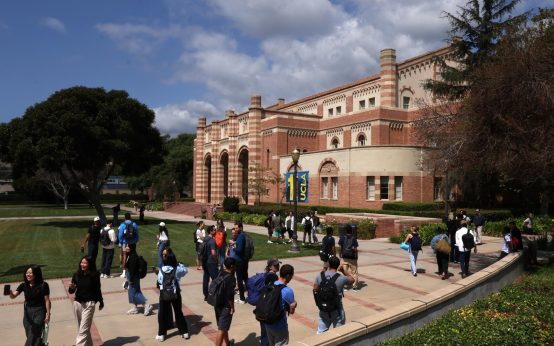 The Changing Value of College Education
  Public Satisfaction with U.S. School System Hits Record Low
 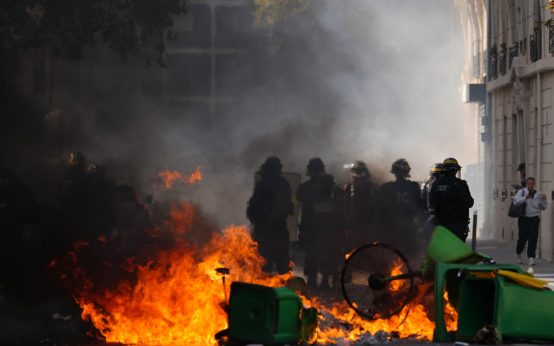 Escalating Violence in French Student Protests: A Call for Peaceful Solutions
  Study: Risks of Borg Consumption at College Parties