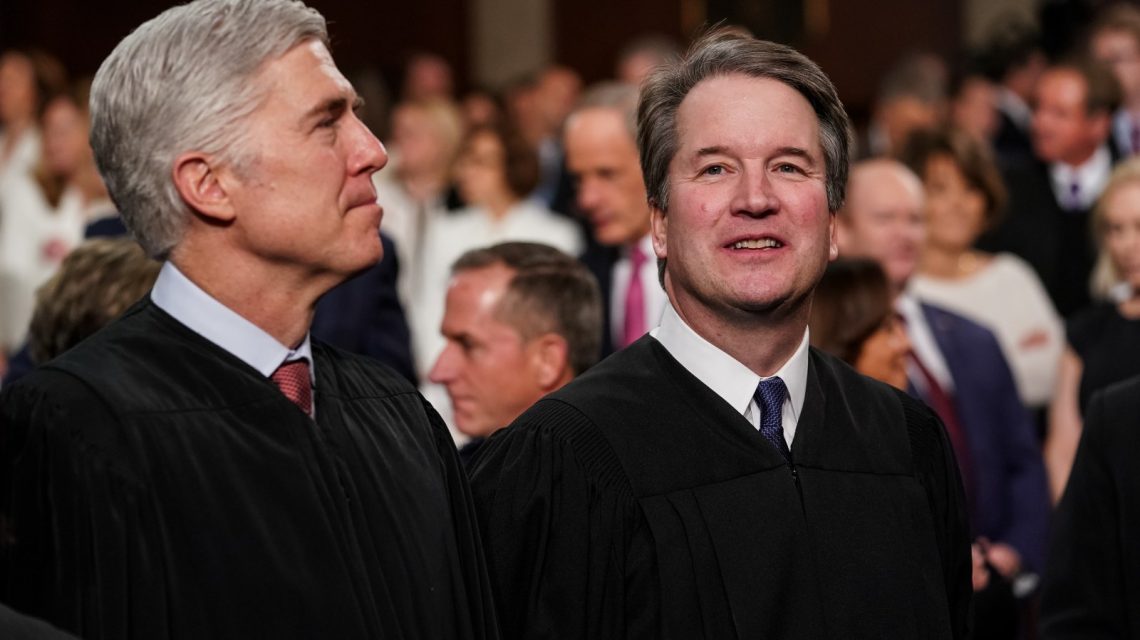
In the opening decisions of the Supreme Court’s new term, Justice Brett Kavanaugh diverged from his conservative colleagues on a case involving Sunoco, a significant player in the U.S. gasoline and oil industry. Sunoco was mandated to pay over $100 million due to a class action lawsuit alleging delayed oil production payments without interest, a requirement under Oklahoma law. Sunoco sought the Supreme Court’s review, contending the group receiving damages might include individuals who didn’t actually experience harm. They argued that courts need to identify eligible damage recipients before any awards.
The Supreme Court dismissed the petition for a writ of certiorari, choosing not to hear the case. However, Justice Kavanaugh expressed his willingness to grant the petition in the order. Meanwhile, Justice Samuel Alito abstained from the decision without offering a rationale. It is speculated that his abstention might relate to financial interests in Sunoco’s rivals. Although Alito does not have investments in Sunoco, his financial portfolio reveals stock holdings in Phillips 66, a company with operations overlapping those of Sunoco in terms of refining and distributing petroleum products. Moreover, Alito holds a stake in ConocoPhillips, which, while not a direct competitor in Sunoco’s fuel distribution business, falls within the oil and gas sector. These investments possibly prompted his recusal from the Supreme Court’s initial oral arguments for the term. This occurred during the hearing of Suncor Energy Inc. v. County Commissioners of Boulder County, a climate change lawsuit, amid mounting calls and grievances for his withdrawal.
In the Sunoco v. Perry Cline case, Cline represented a group of royalty owners accusing Sunoco of violating Oklahoma law by neglecting to pay interest on overdue royalty payments. The group asserted payments occurred only upon explicit demand from owners. Courts maintained a ruling demanding Sunoco pay $103 million. In its Supreme Court petition, Sunoco didn’t dispute the settlement amount but contested the process of class certification for recipients. They argued courts shouldn’t certify a class or approve damages without determining the real class members, asserting the class included individuals whose funds were in unclaimed-property pools due to Sunoco’s inability to identify or locate owners.
Cline countered Sunoco’s arguments, claiming the case inadequately represented the broader class action issues Sunoco wished the Court to address. Sunoco’s assertion of unidentifiable class members was challenged by Cline, who stated that Sunoco’s business records facilitated royalty payments. Cline argued all class members incurred financial harm due to missed payments, establishing grounds for their claims.
Sunoco warned that the Court’s refusal to engage with the case would set a precedent allowing courts to certify damages without identifying legitimate claimants. They feared this would compel defendants to settle unwarranted class action suits, exerting undue economic pressure on companies without definitive evidence of harm to individuals.
 Realtor in California Arrested for Alleged Spying
  Tennessee Halts Execution After Failed Attempt and Legal Outcry
  Legal Motions Filed in Alex Murdaugh Case Amid Allegations Against Police
  Massachusetts Judge Denies Motion to Dismiss Murder Charges in Lindsay Clancy Case
 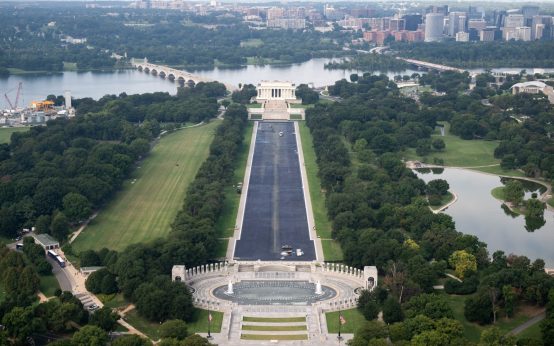 Case Dismissed Against David Hearn Over Lincoln Memorial Reflecting Pool Incident
  U.S. Supreme Court Clears Tennessee’s Path to Execute Christa Pike