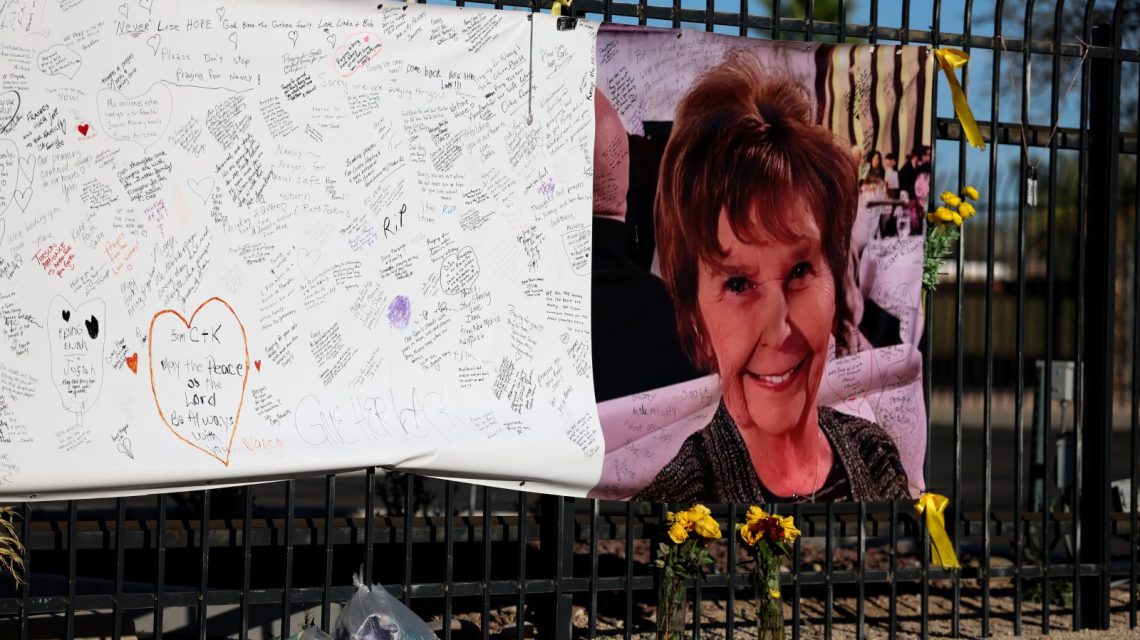
Former FBI agent Jennifer Coffindaffer shared with Newsweek that she received four ransom notes related to Nancy Guthrie’s disappearance. These messages, sent to her personal email, appeared to be scams exploiting public interest in the case.
Coffindaffer received the emails over two days, demanding bitcoin payments for Guthrie’s release. An AI-generated image, resembling Guthrie, accompanied the emails. “I never responded to any of them,” Coffindaffer reported. She promptly informed the FBI.
Coffindaffer disclosed this information, believing the same individuals may have contacted Lauren Serpa, Guthrie’s neighbor. Serpa received a similar ransom demand, claiming Guthrie was alive in Mexico.
The Pima County Sheriff’s Department dismissed Serpa’s note as “not credible.” They urged those receiving communications about Guthrie to report them to law enforcement. “Do not send money or provide personal information,” the department advised.
The investigation, led by the sheriff’s department and FBI, remains active. Jennifer Coffindaffer’s experience highlighted the concern of public figures being targeted due to their visibility and involvement in high-profile cases.
What the Notes Revealed
The emails received by Coffindaffer utilized an email address known to few and addressed her by a middle name she does not use publicly. She expressed concern about how her personal details were accessed.
The first email arrived at 12:30 p.m. on April 10, presenting an AI-generated image of Guthrie. Additional emails arrived shortly after, demanding 25 bitcoins for Guthrie’s release, featuring identical images and referencing the Bible.
The emails persisted, lowering the demanded amount to two bitcoins while including a QR code for payment. Coffindaffer noted similarities between these emails and others received by Serpa.
Potential Targeting
Coffindaffer theorized her public statements might have drawn the scammers’ attention. She previously advised Guthrie’s family to pay ransom senders to possibly reveal identities.
Her strategy involved “tickling the wire,” a method to draw incriminating responses. Coffindaffer suspected the same individuals followed the case closely, aiming for profit through deception.
A Warning to Others
Coffindaffer remained skeptical about the notes’ credibility, suspecting they came from extortionists. She informed the FBI, and they concurred, doubting the messages’ links to Guthrie’s actual kidnappers.
Coffindaffer criticized the sentencing of Derrick Callella, who sent fake ransom notes. He received probation for harassing Guthrie’s family, setting a concerning precedent.
Targeting remains a lucrative business for organized rings. Coffindaffer urged vigilance, advising recipients to avoid response and contact the FBI.
Previous Ransom Notes
In late July, authorities publicized earlier ransom notes sent to media outlets. These notes demanded substantial bitcoin payments, with threats against Guthrie’s life and detailed intimate knowledge of her home.
Despite some notes proven fake, the FBI confirmed that others might still hold potential validity and continue investigations.
 Suspect Nabbed After Allegedly Stealing Police Cruiser in Atlanta
  Challenges in Prosecuting Sexual Assault Cases Involving Substance Use
  Tennessee’s Complex Legal Debate After Failed Execution Attempt of Christa Pike
  Judicial Rulings Challenge Presidential Authority Over U.S. Attorneys
  City Takes Legal Action Against Troubled D.C. Property
  Chris Hansen Joins Sting Operation in Louisiana