
My grandmother, Marcela Miranda, was born in Arizona’s copper country in 1914. She lived in the United States until she was about seven years old. Her family moved back to Mexico during the Mexican Revolution and the Cristero Revolt. They eventually returned to the United States in the 1960s. In the eyes of the American government, she was a native-born U.S. citizen. However, society often labeled her as a Mexican immigrant.
Many families like mine considered the American birthright a significant advantage. It allowed them to legally enter the U.S. and create opportunities for their descendants. This story is familiar in Mexican American communities. It is common to see family members who grew up in Mexico viewed as immigrants regardless of their U.S. birthplace. Their experiences shape their identity, language, and cultural understanding.
In the political arena, this issue has become a talking point. Republican candidate Steve Hilton questioned his opponent, Xavier Becerra, over his family’s background. Becerra’s father, Manuel, was born in Sacramento. He spent his childhood in Mexico during the Great Depression and later returned to the U.S. Critics accuse Becerra of misrepresenting his immigrant roots to connect with Latino voters.
“Unlike Xavier Becerra, I am an immigrant,” Hilton, the British-born son of Hungarian refugees, stated. He accused Becerra of using his family’s American experience for political gain.
Becerra’s family story is not unique; it’s a tale familiar to many Mexican Americans. The narrative reflects a cultural reality that is often misinterpreted by political figures like Hilton. Chicano studies professor Alexandro José Gradilla points out that many Mexican families navigate life between two countries, affecting their identity and experience.
Hilton’s focus on Becerra’s immigrant status shows a misunderstanding of Mexican American life. Many who move between Mexico and the U.S. share similar experiences, regardless of where they were born. Critics like Hilton miss this nuanced identity.
During a press conference, Becerra addressed Hilton’s accusations. He emphasized the discrimination his father faced despite being a U.S. citizen. Becerra criticized Hilton for not understanding Mexican American history and identity.
Gradilla highlights that many Mexican Americans have historically returned to Mexico, especially during hardships like the Great Depression. This historical pattern persists today, with undocumented Latinos returning to their birth countries amidst strict immigration enforcement.
The issue underscores a broader cultural misunderstanding in politics. Mexican Americans, like Becerra, have created unique narratives that do not fit conventional American assimilation stories. Politicians who fail to recognize this complexity risk misunderstanding the communities they aim to represent.
 Republican Steve Hilton’s Unconventional Campaign for California Governor
  Race for Kane County Board District 3: Candidates Address Key Issues
 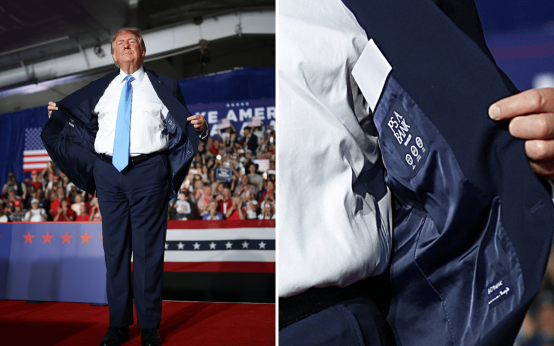 Trump’s Surprising Suit Choice Sparks Discussion
  Speculation Rises as Trump Hints at ‘Big Surprises’ Ahead of Midterms
  Sullivan’s 2026 Senate Battle Faces New Challenges
  Sherrod Brown Eyes Ohio Comeback Amid State’s Rightward Shift