
On January 11, 2009, a bald eagle soared over the Des Moines River in Iowa. This scene highlights America’s natural beauty, preserved in part by the Endangered Species Act, signed into law by President Richard Nixon on December 28, 1973. This pivotal legislation tasks the federal government with the protection of endangered plants and animals across the nation.
America faces a dual challenge: the need for modern infrastructure and the preservation of its natural environment. As the country seeks to expand affordable energy resources, develop a modern electric grid, and enhance housing and infrastructure, it must also consider the balance between development and nature conservation.
Some argue that bolstering infrastructure requires weakening environmental protection laws. This misconception is evident in proposed changes to the Endangered Species Act. For over 50 years, this act has emphasized the need to safeguard wildlife as a part of America’s heritage, prohibiting harm to imperiled species and ensuring federal consultation with wildlife experts when projects affect these species.
The act’s core principles are being challenged. Recent administrative decisions aim to weaken the prohibition on harmful actions against species. Additionally, proposed Senate legislation suggests delegating federal consultation responsibilities to individual states, undermining consistent national wildlife protection.
The evidence does not support claims that the Endangered Species Act hinders U.S. development. A comprehensive study of 88,290 consultations by the U.S. Fish and Wildlife Service found no projects stopped or significantly changed due to jeopardizing species or their habitats. These consultations help identify issues, reduce harm, and facilitate responsible progress.
The act is not an obstacle to development but a framework for sustainable growth. The current political approach to the Endangered Species Act threatens to compromise America’s natural assets for infrastructure expansion, despite past bipartisan support that acknowledged wildlife’s importance to national prosperity.
Congress must address genuine barriers to infrastructure growth, such as improving agency coordination, enhancing resources for timely decision-making, and identifying suitable low-conflict areas for development. The Endangered Species Act should remain intact, safeguarding the nation’s wildlife.
More than 50 years ago, bipartisan support recognized the responsibility to prevent extinction as a vital national duty. This principle holds true today: wildlife enriches America’s prosperity and should not be jeopardized in permitting negotiations.
 Bokashi Fertilizer Provides Relief for Zambian Farmers Amidst Fertilizer Price Hikes
 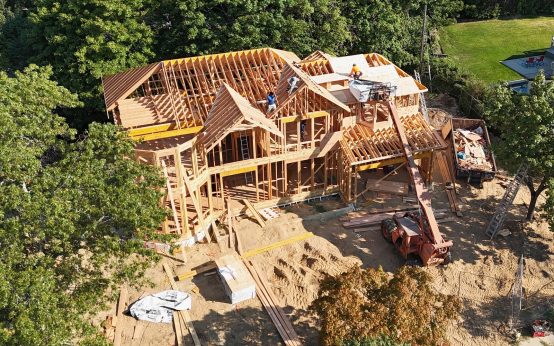 Architects Warn of Housing Challenges Amid Climate Change and AI Concerns
 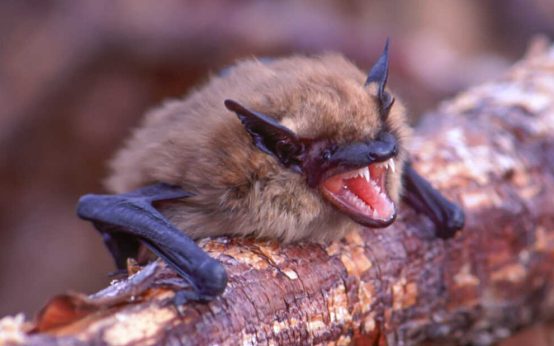 How Little Brown Bat Genes Are Outsmarting a Fungal Killer
  Criminal Investigation Underway at Lineage Cold Storage Warehouse
  Potential of Advanced Nuclear Power in Meeting U.S. Energy Demands
  U.S. Military Exercises in Arctic Highlight Strategic Shifts