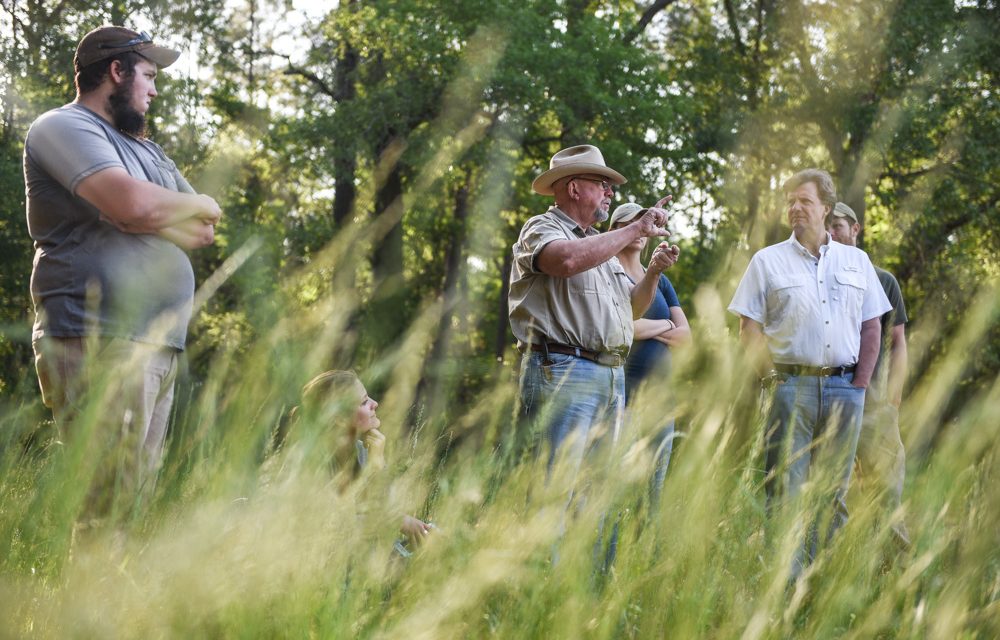
Cows have been a part of Will Harris’s family farm since 1866. Located in southwestern Georgia, his ancestors raised various livestock and sold their meat in Bluffton. Today, Harris has transformed the farm into White Oak Pastures, a 5,700-acre operation, and one of the largest employers locally. Employing nearly 170 people, White Oak plays a pivotal role in the community economy, generating $30 million annually.
Harris observes changes in the farming cycle. Historically, high cattle prices sparked herd expansion. Yet, rising land prices in rural Georgia make expansion challenging, as investors and developers offer more than farmers can afford. Harris has shifted focus to mentoring new ranchers and shows openness to alternative developments like data centers to adapt to modern farming dynamics.
I don’t know how this is going to end, he admits, highlighting the uncertainty facing U.S. farmers today. With the U.S. cattle herd at a 75-year low and record beef prices due to droughts, acquiring land has become difficult. Institutional investors increasingly acquire farmland, influencing rural landscapes significantly.Harris’s approach to farming has evolved greatly. Initially, the farm operated exclusively with cattle, using industrial methods like chemical fertilizers. However, Harris, recognizing the toll on the environment, pivoted back to traditional methods – integrating diverse livestock and avoiding pesticides.
This change proved beneficial as grass-fed beef gained popularity. Harris expanded market reach to major retailers like Whole Foods and Publix. However, the 2015 change in labeling rules affected profitability, as foreign beef labeled as “Product of USA” intensified competition. Thankfully, the USDA amended these rules in 2021, realigning his sales strategy.
COVID-19 also altered Harris’s business model. White Oak’s new online store, initiated by his daughter, enabled direct sales to customers. A physical store in Atlanta followed, though Harris emphasizes improving over expanding.
Guiding future farmers is central to Harris’s mission. The Center for Agricultural Resilience, a nonprofit, offers internships to educate aspiring farmers in regenerative methods. Harris also conducts cattle and hog farming workshops, drawing participants globally. This initiative seeks to preserve agricultural knowledge outside mainstream industrial practices.
Despite economic shifts, Harris advocates for diversified economic activities in rural areas. While uncertain about data centers, he recognizes their potential relief for economically struggling counties. The evolving agricultural landscape demands adaptation, ensuring resilient communities sustain and thrive.
 Gray Wolves Stir Controversy Over Wildlife Management
 Protests Rise in Spain Against Data Center Expansion
 Highlights from Recent News Stories
 Lewis Pugh’s Swim Through Danger Highlights Strait of Hormuz Crisis
 House Urged to Embrace Historic Permitting Reform
 California Prepares for Future Wildfire Seasons with Major Investments