
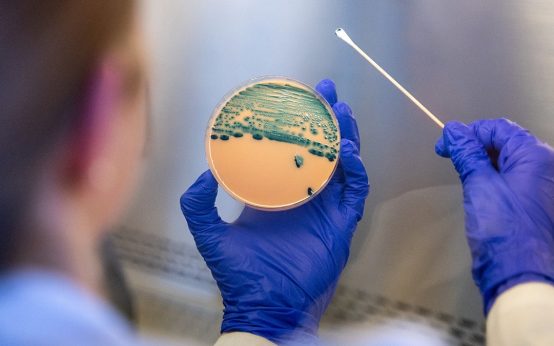
A bacterial infection, increasingly resistant to commonly used antibiotics, is raising concerns in the United States. Shigella, a highly contagious bacterium, causes shigellosis. This intestinal infection leads to symptoms like diarrhea, fever, and stomach cramps. According to a 2026 report by the Centers for Disease Control and Prevention (CDC), the proportion of extensively drug-resistant (XDR) Shigella samples rose from 0 percent between 2011 and 2015 to 8.5 percent in 2023. These strains resist five antibiotics typically used to treat the infection.
Prevalence of Shigella
Experts note that despite the rise in drug-resistant strains, the number of infections has not surged nationwide. Most people recover from shigellosis without antibiotics. The CDC’s provisional data for 2026 shows 13,921 reported cases, similar to 14,277 in 2025. However, these figures may not account for every infection in the U.S.
Understanding Shigella
Shigella refers to a group of bacteria causing an intestinal infection called shigellosis. The CDC estimates about 450,000 infections occur annually across the U.S. While it spreads through sexual contact, contaminated food, water, and contact with infected individuals are significant transmission routes. Shigellosis is highly contagious; as few as 10 bacteria can cause infection.
Symptoms of Shigellosis
Symptoms usually appear one to two days after exposure. They include bloody diarrhea, fever, abdominal pain, and a persistent urge to use the toilet. Most cases resolve without treatment. Rest and hydration suffice for mild infections. However, severe cases require medical attention, especially for people with weakened immune systems.
Shigella Transmission Methods
Shigella spreads through fecal-oral transmission. This involves ingestion of bacteria from infected feces via contaminated food, water, or surfaces and poor hand hygiene. Sexual transmission occurs through exposure to infected fecal matter. Higher risk groups include men who have sex with men, young children, international travelers, and those with compromised immune systems. A 2026 study noted that person-to-person transmission was prevalent, particularly in childcare settings.
Concerns Over Drug Resistance
Despite increasing antibiotic resistance, experts advise cautious vigilance rather than alarm. Data shows a rise of resistant Shigella isolates from 0 percent between 2011-2015 to 8.5 percent in 2023. Around a third of XDR patients needed hospitalization. While the overall public risk is low, the failure of standard antibiotics poses a potential public-health challenge.
CDC research examining 17,000 bacterial samples found 510 XDR isolates. These strains resisted ampicillin, azithromycin, ceftriaxone, ciprofloxacin, and trimethoprim-sulfamethoxazole. No FDA-approved oral antibiotics can treat infections resistant to all five. Those with severe infections or weakened immune systems remain at higher risk.
Preventative Measures
Effective hygiene practices significantly reduce the risk of Shigella transmission. The CDC recommends washing hands, genitals, and the anal area with soap and water before and after sexual activity. Condoms and other protective measures, along with cleaning sex toys thoroughly, are crucial. Latex gloves are advised for activities involving the anal area.
Avoiding sexual contact during and shortly after an infection is essential. Bacteria can persist in feces beyond the disappearance of symptoms. “If you have diarrhea, abstain from sexual activity for at least two weeks,” advises Dr. Sarath Nath.
 Upcoming Social Security Payments and Cost-of-Living Adjustment
  Concerns and Legal Battles Over GLP-1 Drugs
  Partner Faces Concerns Over Costly GLP-1 Weight Loss Approach
  Antibiotic Resistance in Shigella Infections
  A Mother’s Journey Through Her Daughter’s Congenital Cataracts Diagnosis
  Family Seeks Answers in Daniel Magaña’s Jail Death