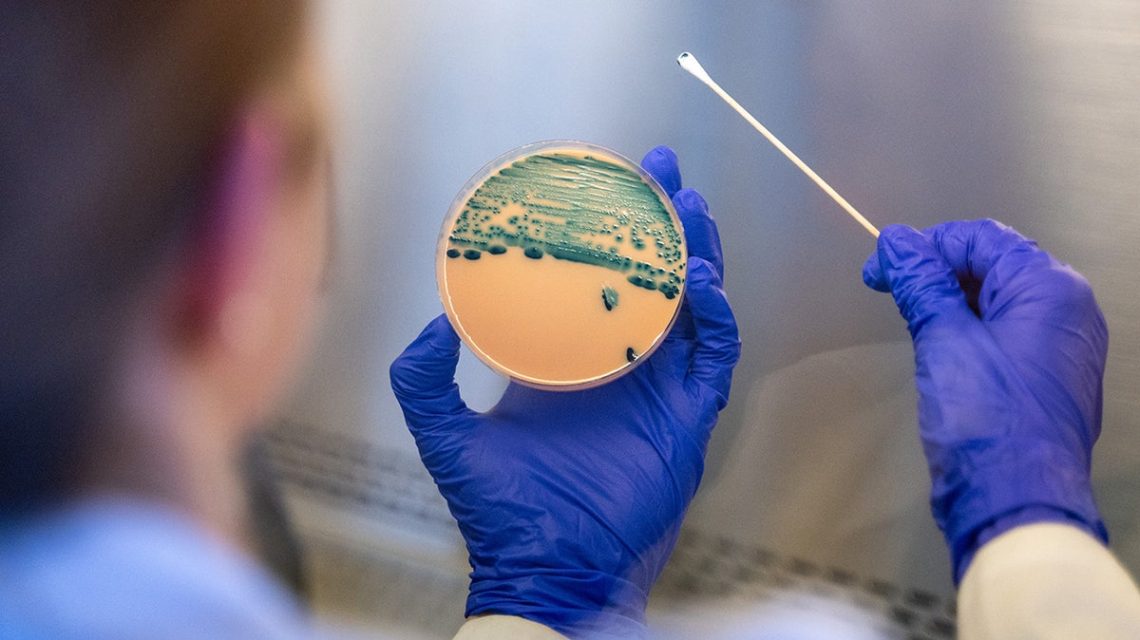
An increasing problem in public health involves a highly contagious gut infection called shigellosis, which is linked to Shigella bacteria. This infection is becoming harder to treat as antibiotic-resistant strains are rising. A report from the Centers for Disease Control and Prevention (CDC) examined nearly 17,000 samples of Shigella collected from 2011 to 2023. In 2023, 8.5% of these samples were classified as extensively drug-resistant (XDR), indicating resistance to five key antibiotics defined by the CDC. In contrast, no such resistance was observed between 2011 and 2015.
Dr. Tyler Evans, an infectious disease expert and CEO of Wellness Equity Alliance, pointed out that the challenge lies not in a rise in infection numbers, but in growing antibiotic resistance. Evans notes, “The bacteria are changing, even as the number of cases remains stable, leading to a decline in effective treatment options.”
Shigella transmission occurs through the ingestion of contaminated food or water, unwashed hands, or sexual activity. This infection is not classified as a typical sexually transmitted infection, but it can spread through contact with fecal material during sexual activity, according to Dr. Andi Toufexis, a family medicine physician specializing in sexual health. Data from the CDC report shows that the majority of XDR Shigella patients were adult men.
Research indicates sexual contact among men who have sex with men is a key transmission route. The data revealed 86% of XDR patients were men, with a median age of 41. Nearly half of those with known HIV status were living with HIV. Vulnerable groups like those experiencing homelessness or with weakened immune systems are at increased risk.
Shigella infections commonly affect children under five, often being transmitted in schools and child care settings. Many outbreaks in the past involved treatable strains of the infection. Washing hands, particularly before food preparation, can help prevent its spread.
Hospitalization data shows that 37.6% of patients with XDR Shigella required hospital care, but no deaths were reported. The CDC suggests infections may be underreported, as not all samples were cultured or tested for resistance. The majority of patients had no recent international travel, though travel details were unavailable for many.
Dr. Michael Aziz, an internist at Lenox Hill Hospital, recommends seeking medical guidance if Shigella is suspected rather than using antidiarrheal medications, which may hinder the elimination of bacteria from the body. Cleaning hands, genitals, and any objects involved in sex, along with using protection like condoms or dental dams, can lower infection risk. If diarrhea occurs, avoid sexual activity until at least two weeks after symptoms have subsided, advises Dr. Toufexis.
Shigella infections generally resolve without treatment, but severe cases need medical intervention. Awareness and preventive measures remain key in managing the spread of drug-resistant Shigella strains.
 A Mother’s Journey Through Her Daughter’s Congenital Cataracts Diagnosis
  Family Seeks Answers in Daniel Magaña’s Jail Death
  Facing Pancreatic Cancer: Vicky Titcomb’s Journey
  A Pressing Solution for Alzheimer’s
  Understanding the Perils of Ectopic Pregnancy
  Concerns Over Medicaid Cuts for Autism Therapy in Georgia