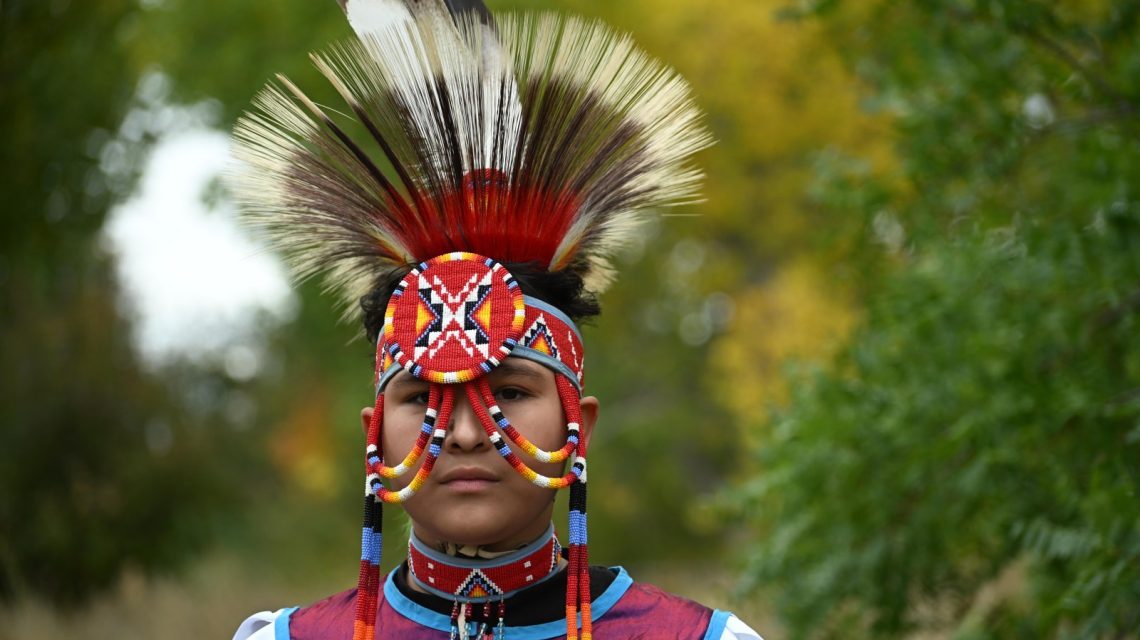
Each year, Americans encounter varied names for the second Monday in October, based on their location. States throughout the nation are divided on whether Columbus Day, Indigenous Peoples’ Day, or a combination of both should be recognized. This year’s observance took place on October 12. Although Columbus Day is an official federal holiday, many states are now adopting Indigenous Peoples’ Day to honor Native Americans.
According to Pew Research Center, while 30 states and three U.S. territories acknowledge Columbus Day, only 20 states and two territories provide a paid holiday for state employees. Additionally, 17 states and Washington, D.C., recognize Indigenous Peoples’ Day on this day, and only five states also honor Columbus Day as a paid holiday: Montana, Nebraska, Ohio, Pennsylvania, and Rhode Island.
Why the Division Matters
The name associated with this October holiday contributes to a wider debate concerning how America remembers its history. Columbus Day is embedded in federal law, yet several states have opted to recognize Indigenous Peoples, either in conjunction or as a substitute for Columbus.
Federal Status of Indigenous Peoples’ Day
Indigenous Peoples’ Day is not a federal holiday. Columbus Day is enshrined as a federal holiday for the second Monday in October. In 2021, President Joe Biden issued the first presidential proclamation honoring Indigenous Peoples’ Day, celebrating their contributions, sovereignty, and national commitments to tribal nations. However, Columbus Day remained unaltered in federal statutes.
President Donald Trump issued a proclamation on Columbus Day, extolling his legacy and pledging to protect his story, which he links to the roots of American freedom and the republic.
State Observance of Indigenous Peoples’ Day
In total, 17 states alongside Washington, D.C., officially recognize Indigenous Peoples’ Day on the second Monday in October.
Recognition alongside Columbus Day is acknowledged as a paid holiday in:
- Montana
- Nebraska
- Ohio
- Pennsylvania
- Rhode Island
Alabama also recognizes American Indian Heritage Day alongside Columbus Day.
States observing Indigenous Peoples’ Day instead of Columbus Day as a paid holiday include:
- Maine
- New Mexico
- South Dakota, known as Native American Day
- Vermont
Maine, New Mexico, and Vermont replaced Columbus Day with Indigenous Peoples’ Day in 2019. South Dakota began observing Native American Day in 1990. Seven more states recognize the day for Indigenous people but without a paid holiday:
- Alaska
- California
- Hawaii
- Minnesota
- Oklahoma
- Oregon
- Wisconsin
States Continuing Columbus Day
While some states have removed Columbus Day from their calendars, others still acknowledge it. Pew’s studies show that 30 states and three territories honor Columbus Day in various forms, with 20 states granting a paid holiday.
Overlap exists where Alabama, Montana, Nebraska, Ohio, Pennsylvania, and Rhode Island recognize Indigenous observance yet maintain Columbus Day. Others continue the tradition without an equivalent paid holiday for Indigenous Peoples.
These varying practices exemplify disputes over Columbus’ legacy. Some emphasize the significance to Italian American heritage; others favor Indigenous Peoples’ Day to address oversights of Native peoples and historical impacts since European settlement.
History of Indigenous Peoples’ Day
Celebration efforts for Indigenous Peoples’ Day are rooted in prior decades, not just one federal action. This initiative emerged in 1977 during an international conference in Geneva addressing discrimination against Indigenous populations, promoting an observance replacing Columbus Day.
South Dakota pioneered a statewide replacement by adopting Native American Day in 1990. Berkeley, California, officially observed Indigenous Peoples’ Day in 1992, marking 500 years since Columbus’ voyage. Biden’s proclamation reached the White House in 2021, recognizing Indigenous Peoples’ Day officially, yet it did not alter federal legal status.
Are Public Services Open on Indigenous Peoples’ Day?
Given that October 12 falls on the federal Columbus Day holiday, federal offices generally remain closed. The U.S. Postal Service adheres to this observance.
Federal Reserve Banks will close, affecting many bank branches, though branches may operate with individual schedules. The status of public schools varies as no nationwide requirement exists dictating closures for Columbus or Indigenous Peoples’ Day. Private businesses typically set their own operational decisions.
Looking Forward
Federal offices will endure Columbus Day adherence, and divisions over this holiday appear to persist. States retain the authority to amend their holiday calendars to honor Indigenous peoples. Federally, Columbus Day remains the legal holiday. President Trump expressed gratitude for Columbus, committing to protect his legacy from perceived threats.
The article was generated utilizing Martyn, our AI assistant. For inquiries, contact Newsweek’s editors Jason Lemon and Geoffrey Rowland.
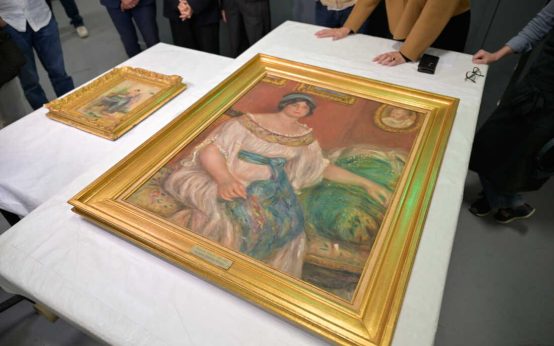 Recovery of Stolen Renoirs and Investigation of Art Heist
  Local Events in Elgin and Kane County this October
 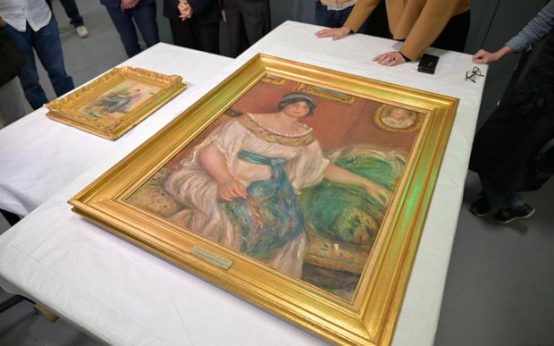 Renoir Paintings Recovered After Theft from French Museum
  Lee Krasner’s Artistry Shines in Major Met Exhibition
  The Rise of AI: High-Tech Feudalism and Societal Impact
 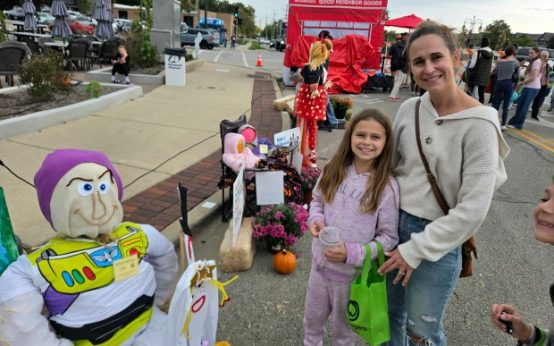 St. Charles Scarecrow Weekend: A Local Tradition