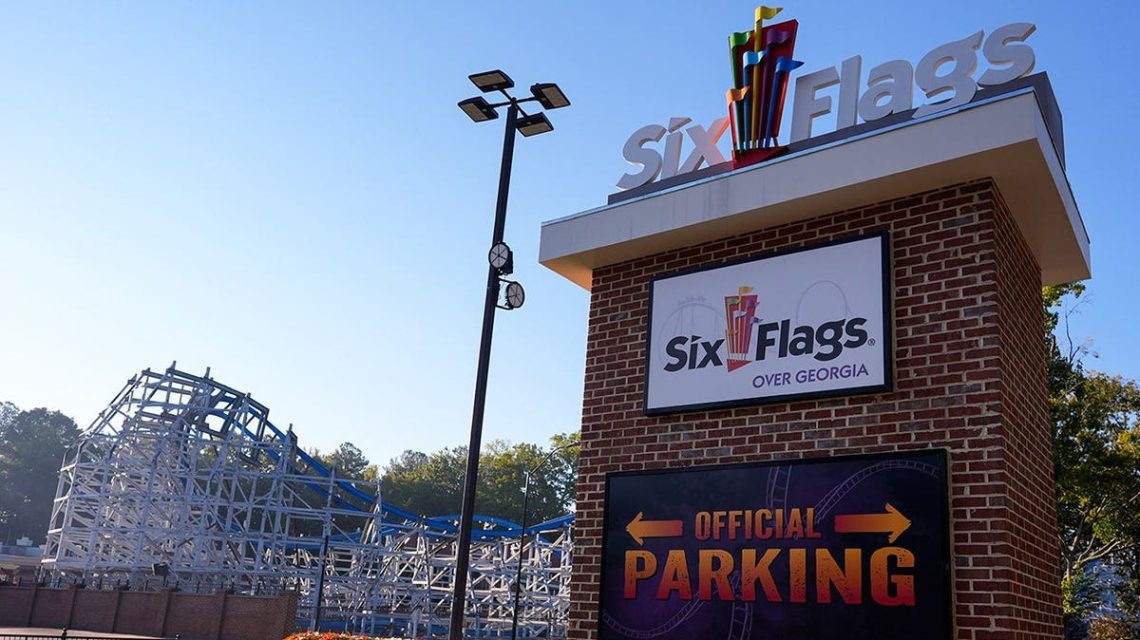
A tragic accident at Six Flags Over Georgia has triggered an investigation into ride safety and potential liability questions. A rider was ejected from the Goliath roller coaster, resulting in his death. This ride, notable for its 200-foot first hill, is under scrutiny by police and state ride inspectors. Six Flags has responded by temporarily closing nine similar roller coasters across North America as a precaution.
Investigating the Cause
Mark Lopez-Trigo, a Florida personal injury attorney, indicated that investigators will focus on whether the incident was isolated or related to broader safety equipment issues. They will examine Goliath’s restraint system and maintenance records to assess compliance with safety standards.
The investigation is in its early stages. Six Flags’ decision to close similar rides helps focus the investigation, although it does not confirm a widespread safety problem. Goliath uses lap bars rather than seat belts, which is a point of consideration for investigators.
Legal Implications
Different legal pathways exist depending on the investigation outcome. The victim’s family might pursue a wrongful-death claim through his estate, while injured guests could seek personal injury claims. These cases often require looking beyond the immediate circumstances to understand the systemic issues that may have contributed.
Mark Lopez-Trigo noted similarities in the process of determining responsibility and finding answers, emphasizing that finding answers is crucial for justice and preventing further incidents.
Ongoing Investigation
Currently, the investigation continues without an official announcement of the cause. Six Flags has stated that it remains uncertain about the accident’s cause. The closure of multiple rides highlights the uncertainty and importance of uncovering the facts to enhance safety measures.
Authorities are working to provide conclusions that will assist in ensuring roller coaster safety for all riders. This case remains a significant focus for investigators and legal experts, as safety measures are reassessed to prevent similar occurrences in the future.