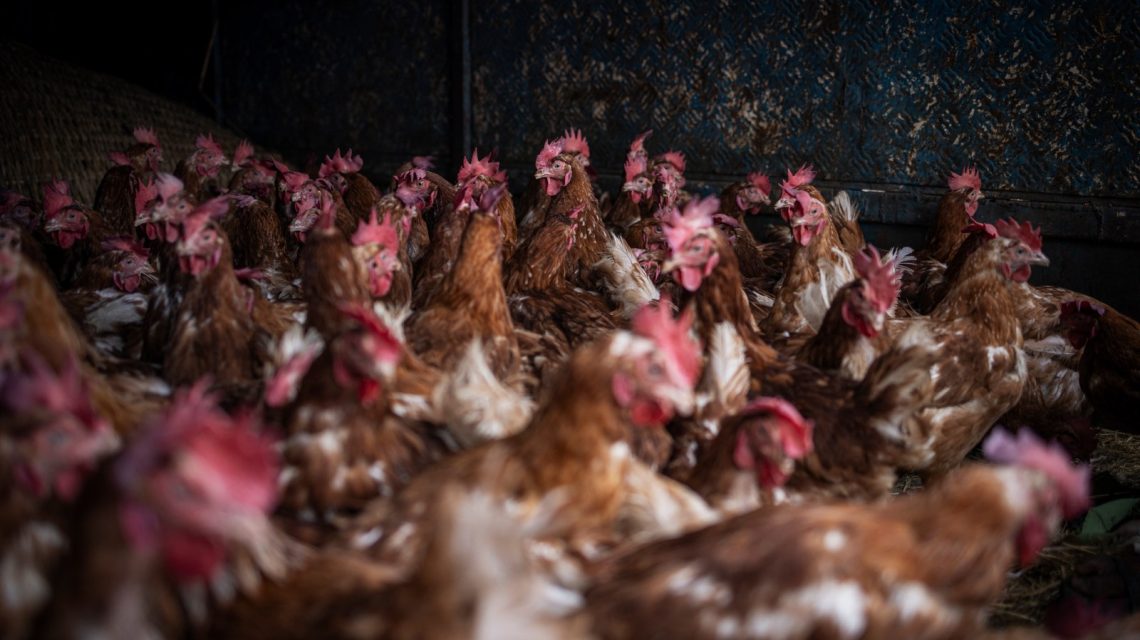
What comes first: the chicken or the egg? For Kalkidan Nigussie, working with small-scale farmers across Africa, the answer is clearly both. Since 2018, the ‘Egg Hub’ program—managed by Nigussie—has supported around 190 farmers to produce at least 15 million eggs across Malawi and Ethiopia. There are plans for future expansions into Rwanda and Senegal.
Nigussie, who directs this initiative for the Swiss-based think-tank Sight and Life, expressed the importance of this work. ‘It’s very rewarding. Seeing that progression firsthand makes the work very meaningful,’ he stated in a phone interview from Malawi.
The initiative provides essential resources for participating farmers, including training, quality feed, 500 birds, and an interest-free loan. The program serves a diverse group, with half of the participants being women who possess basic experience in poultry farming.
Eggs offer a nutrient-dense and affordable source of protein, crucial for tackling nutrition deficiencies across Africa. United Nations statistics reveal that over half of the African population faces moderate or severe food insecurity. Alarmingly, projections for 2025 suggest that nearly 67 percent of Africans may not afford a healthy diet.
Multiple factors exacerbate hunger and food insecurity in Africa, including conflicts in the Middle East, global aid cuts, and extreme weather events like El Niño. A September report by the European Commission highlights the potential increase in hunger, estimating up to 520 million individuals facing scarcity by 2030, with over half residing in Africa.
From Short-Term Fixes to Sustainable Solutions
Development efforts that foster resilience against climate challenges such as drought or conflict-induced spikes in food prices are crucial for sustainable futures, emphasized Sight and Life’s managing director, Sufia Askari. ‘You can provide food, and that’s a quick solution. But that’s not sustainable. Turning an existing solution into lasting change cannot happen overnight,’ Askari shared with Newsweek.
The foundation partners with local governments and U.N. organizations, aiming to expand their reach from 12 farms to 63 in Malawi this year. Recruitment of poultry farmers has begun in Senegal and Rwanda as part of this strategic growth.
The program equips farmers with the skills to raise poultry capable of laying 300 eggs annually, a significant leap from the previous production average of 40 eggs per year. This advancement has significantly improved livelihoods and food security in participating communities.
Reports from Malawi indicate increased egg consumption among women and children, decreasing egg prices, and farmers engaging in tripled earnings. Nigussie recounted that one farmer remarked about the transition from mere survival to an established business. With the program’s support, her birds now thrive, her income is stable, and she possesses structured knowledge and reliable backing.
Notably, the farmer has repaid her loan, completed three production cycles, and doubled her earnings. ‘What really stays with me is seeing farmers successfully repay the financing, support their households, and then start reinvesting, building additional sheds for another flock or even buying small vehicles to transport their eggs,’ Nigussie reflected.
For additional information and inquiries, contact Newsweek editor Mike Hirst.
 Pope Leo XIV Diagnosed with Lung Cancer After Surgery
  Protests Over Education Reform Escalate in France
  French AI Entrepreneur’s Warning to American Voters: Avoid Democrat Policies
  Pope Leo XIV Undergoes Successful Lung Surgery
  Illegal Immigrant Couple Accused of Jewelry Thefts Across Four States
  Hurricane Simon and Storm Rachel Cause Destruction in Mexico and the U.S.