
The 2026 midterm elections are approaching, and recent polls indicate a potential strong performance for the Democratic Party. Voters have voiced concerns over several pressing issues, including rising living costs, political corruption, and a perceived unfair system. These factors have contributed to a general sense of dissatisfaction among the electorate. The critical question remains: how will this anger impact voting behavior?
Host Megan McArdle discusses these issues with Kristen Soltis Anderson, a noted pollster and co-founder of Echelon Insights. Together, they examine the data to determine whether Democrats can anticipate a wave of support and analyze why voter frustration does not always result in backing the policies and candidates party leaders anticipate.
Understanding the nuances of voter sentiment is crucial in predicting election outcomes. Anderson provides insight into the mixed signals from the electorate, where disapproval of current conditions does not necessarily equate to an endorsement of the opposition’s platform. This disconnect highlights the complexity of voter motivations and the challenge for political parties to address widespread disillusionment effectively.
With the 2026 midterms nearing, party strategists must consider not only the issues that voters prioritize but also the deeper frustrations driving these concerns. How political leaders respond to this reality could significantly influence the election results. Parties must craft messages that resonate with discontented voters and offer tangible solutions to the grievances people express.
 The Impact of Senate Control on Presidential Terms
 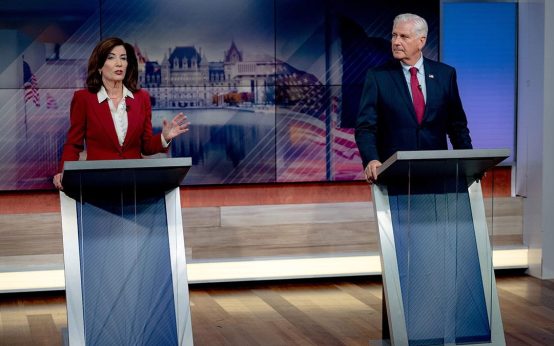 Debate Over Immigration and Economy Heats up New York Governor Race
 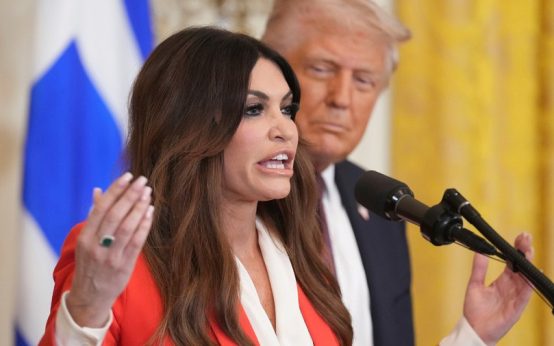 Recent Political Events and Policy Updates
  Investigation Surrounding Ilhan Omar’s Immigration Papers
  President’s Need for Greater Awareness of Electoral Challenges
 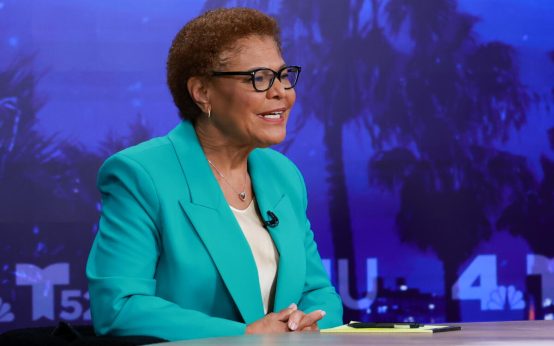 Debate Analysis: Bass vs. Raman in L.A. Mayoral Race