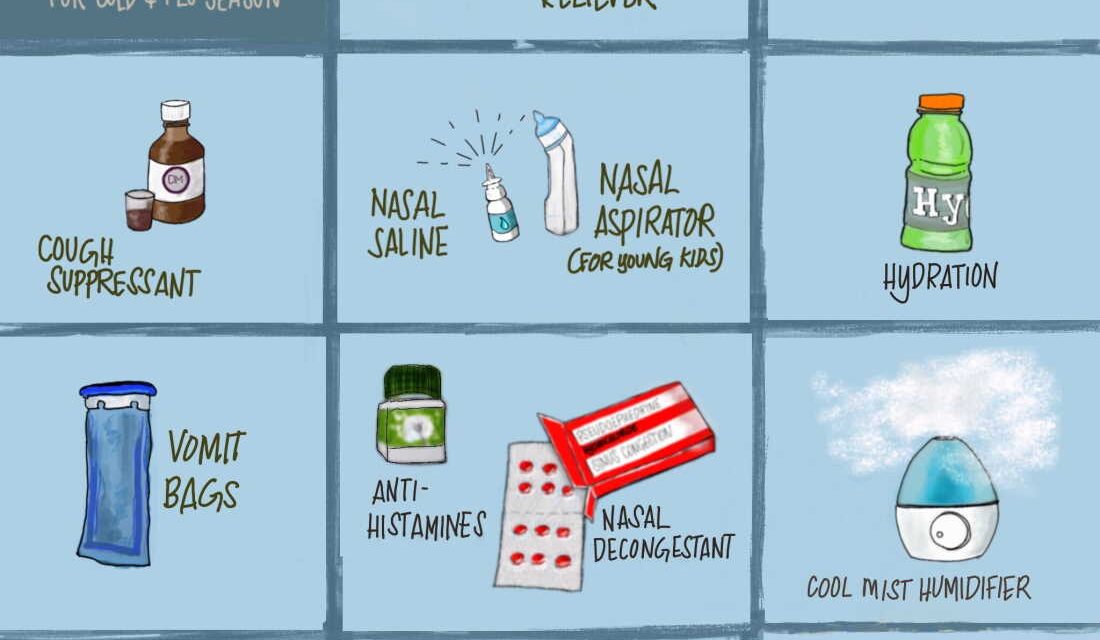
In the United States, cold and flu season spans from October to May, coinciding with lower temperatures and drier climates. These conditions increase susceptibility to viruses like the cold, flu, RSV, or COVID-19. Pediatrician Mona Amin emphasizes the importance of preparing a cold and flu kit to manage illness at home effectively.
Build Your Cold and Flu Prep Kit
Pharmacist Alisha Reed suggests compiling essential items in one designated place to avoid last-minute rushes to the store. Alongside over-the-counter medications, include fever and pain relievers, hydration supplements, and monitoring tools. Adequate preparation allows home management of many viruses, as antibiotics cannot treat viral infections like the common cold and flu.
Recommended Over-the-Counter Medications
To address individual symptoms properly, opt for specific medications rather than those targeting multiple symptoms:
- Pain Relievers: Use NSAIDs such as ibuprofen or naproxen for pain relief from headaches, body aches, and sore throats.
- Fever Reducers: Acetaminophen and ibuprofen are effective for fever reduction, with acetaminophen preferred for fevers.
- Antihistamines: These help alleviate symptoms like sneezing and runny noses common in colds and allergies.
- Decongestants: Pseudoephedrine can relieve a stuffy nose by reducing sinus pressure.
- Cough Suppressants: Dextromethorphan suppresses the cough reflex for a dry cough.
- Cough Expectorants: Guaifenesin helps relieve chest congestion by thinning mucus.
Reed advises checking expiration dates and following dosage recommendations to minimize risks.
Additional Items for Your Kit
- Honey: Known for coating the throat and anti-inflammatory properties, but not safe for children under 12 months.
- Thermometer: A basic tool for fever measurement, with oral thermometers considered more accurate.
- Nasal Saline Treatment: Helps keep nasal membranes moist to prevent virus replication.
Comfort Items
- Chest Rub: Vapor rubs with camphor, eucalyptus, and menthol may provide symptom relief.
- Disposable Vomit Bags: Useful for managing stomach flu symptoms.
- Humidifier: Adds moisture to air, easing sinus congestion.
- Hydration Options: Drinks like Pedialyte, apple juice, or Gatorade help combat dehydration.
When to Consult Your Doctor
If symptoms worsen or fail to improve, consider consulting a doctor. Key concerns include high fevers, difficulty breathing, severe dehydration, or confusion. Reed advises contacting healthcare professionals or pharmacists for guidance.
 Long-Term Effects of Toxic Exposure Post-Wildfires
  Eli Lilly’s Retatrutide and Its Impact on Weight Loss and Health
  FDA’s Abortion Pill Review Raises Concerns Among GOP Lawmakers
  Kai Trump Undergoes Successful Wrist Surgery
  Infrastructure Challenges and the Uncertain State of America’s Bridges
  New Blood Test May Predict Alzheimer’s Disease Risk