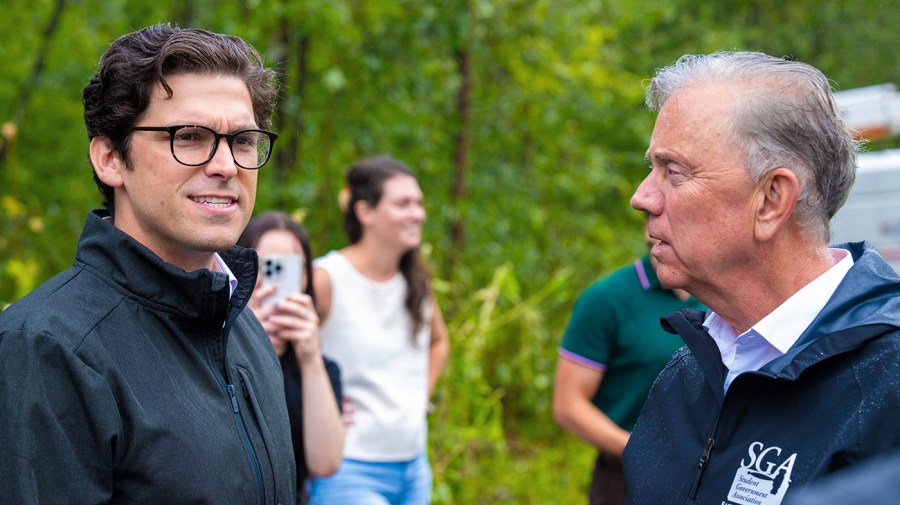
The midterm debate season has arrived, providing candidates with opportunities to confront their opponents and appeal to voters as Election Day draws near. The question remains: do debates significantly influence competitive races this cycle?
Senate candidates recently participated in debates in key battleground states such as Maine, Iowa, and Georgia. However, debates for critical Senate races in Texas and Ohio, as well as for gubernatorial races in Nevada and Ohio, are yet to take place. Despite concerns about low viewership and the risks of live performances, experts assert that debates still matter. A notable performance or significant error could be decisive for candidates.
“The debates matter question — I mean, why don’t you ask [former President] Joe Biden?”
Philippe Reines, a seasoned strategist who assisted former Secretary of State Hillary Clinton and former Vice President Kamala Harris with debate preparation, highlights that debates have historically altered campaign trajectories. For instance, John F. Kennedy’s televised debate against Richard Nixon in 1960 and Marco Rubio’s debate with Chris Christie in the 2016 presidential race are examples.
However, the impact of debate reactions on votes remains difficult to measure. Some candidates are reducing or opting out of debates. Former Atlanta Mayor Keisha Lance Bottoms, the Democratic nominee for governor in Georgia, recently debated Republican Rick Jackson but was alone in another debate after Jackson declined to participate. In Nevada, Democratic gubernatorial nominee and state Attorney General Aaron Ford answered questions beside an empty podium, as incumbent Gov. Joe Lombardo did not participate.
In Texas, state Rep. James Talarico has called for a debate with Republican Ken Paxton, although Paxton did not attend a recent town hall hosted by CNN and Jubilee. Candidates appearing solo seek to leverage their opponents’ absence, as Craig Hennigan, a debate program director at the University of Nevada, noted. They aim to influence voters who value public debate as part of the democratic process.
Candidates seek to capture attention not only from live audiences but also across digital platforms. According to Aaron Kall, director of debate at the University of Michigan, viral moments on social media can resonate and extend a candidate’s reach.
Some Democrats, like Arizona Gov. Katie Hobbs, avoid debates entirely. Hobbs declined to debate both her current Republican challenger and then-candidate Kari Lake in 2022, albeit narrowly winning that race.
Political strategist Brett O’Donnell emphasizes the importance of debates in democracy, believing that healthy debate allows for civil discussions of ideas and helps the public decide their stance after listening to both sides.
In recent debates, Republicans have diverged from the president’s policies amid declining approval ratings. Iowa’s Senate candidate Ashley Hinson criticized a deal with Russia during her debate, emphasizing the need to address high fuel prices. Similarly, Michigan’s Senate candidate Mike Rogers discussed attempts to negotiate tariff adjustments with Canada.
Debates can also backfire. During a runoff debate in South Carolina, Sen. Darline Graham admitted limited knowledge on national security, which her opponent later used against her in a general election debate.
Kall argues that debates remain influential, especially in close races with undecided voters. While candidates seem to engage in fewer debates, Hennigan believes there is a strong demand for such forums, as demonstrated by younger audiences attending debates on platforms like Twitch.
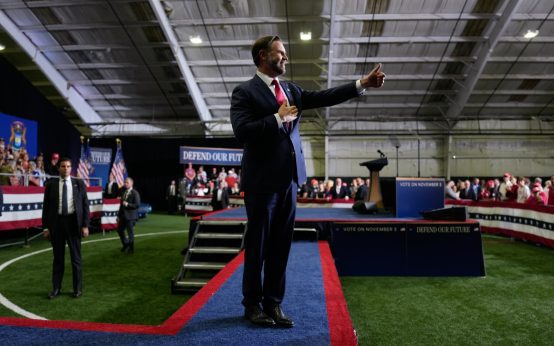 Rival Campaing Events in Michigan Attract Attention from Opposing Political Figures
  Kimberly Guilfoyle Faces Defamation Lawsuit from Trump Donor
 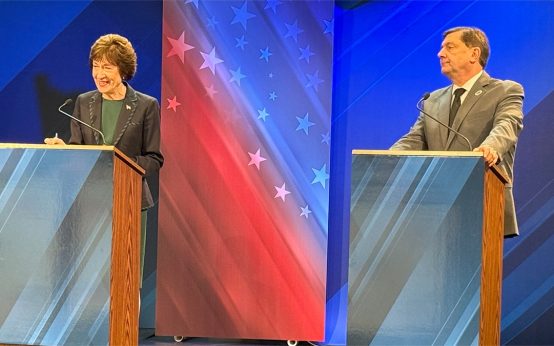 Final Debate in Maine Senate Race Features Heated Exchanges
  Allegations of Political Intimidation Surface After Raid on Democratic Congresswoman’s Home
 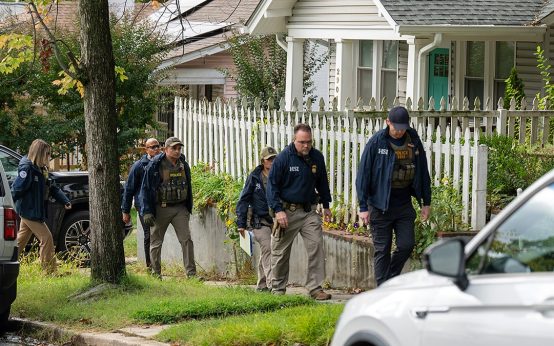 VP Vance Discusses DOJ Investigation on Rep. Ilhan Omar
 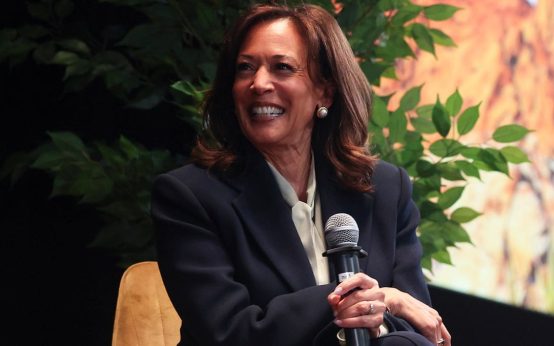 Vice President Kamala Harris Faces Scrutiny Over Potential 2028 Presidential Bid