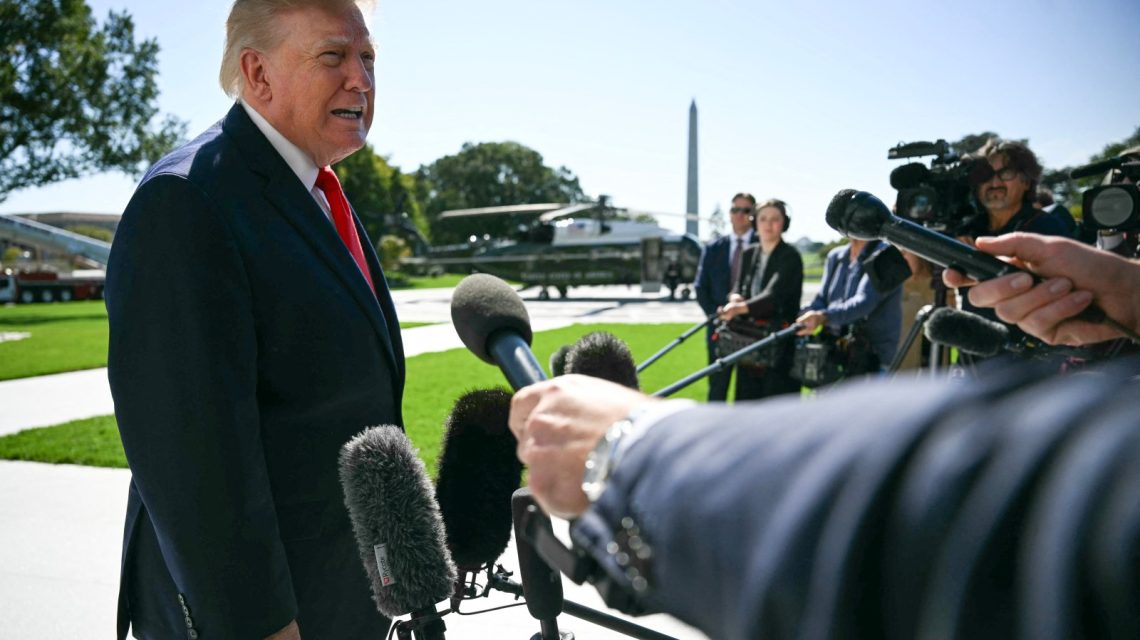
President Donald Trump is receiving backlash from Republican lawmakers after waiving key elements in a Russia sanctions law. The law, signed last month, was intended to put pressure on Moscow. Critics argue that the waiver could reduce pressure on Russia to cease its war in Ukraine, which began in February 2022. The decision, made through an executive order on Friday evening, drew criticism from both parties, as well as Ukrainian President Volodymyr Zelensky, while it was praised by a senior Russian official.
Republican Lawmakers’ Reactions
Republican Senator Thom Tillis from North Carolina criticized the decision, describing it as “beyond irresponsible.” He questioned the administration’s understanding of enforcing a law overwhelmingly passed by the Senate. Tillis expressed concern about the administration’s perceived capitulation to Russia, which he described as an invading force committing daily atrocities.
Representative Don Bacon of Nebraska also voiced his concerns, stating that the President’s actions are protracting the war rather than ending it. The legislation, named after the late GOP Senator Lindsey Graham, was aimed at increasing pressure on Russia. It targeted officials, banks, and oil transportation networks involved in the ongoing war with Ukraine. Senator John Cornyn of Texas remarked, “Lindsey would be appalled,” in response to Trump’s move.
Oklahoma Governor Kevin Stitt previously voiced concerns about the proposal, suggesting that it risks extending the conflict in Ukraine without significantly reducing fuel costs. Meanwhile, White House spokeswoman Taylor Rogers defended the decision during an interview with Newsweek by highlighting ongoing efforts to lower fuel prices for Americans.
Patrick Casale, advisor to Nevada GOP chairman, noted, “Trump’s decision is an effort to reduce fuel costs. Perhaps it might encourage negotiations to end the war.”
Details of Trump’s Sanctions Order
Trump’s executive order waives several sanctions and tariffs authorized under the Lindsey O. Graham Sanctioning Russia and Iran Act of 2026. The order exempts certain duties meant to increase pressure on Russia. Under the legislation, a 500 percent tariff on Russian goods was authorized, with potential increases for certain countries that continue purchasing Russian oil or gas. However, these tariffs are not automatically imposed while the waiver is in effect.
During his address to the United Nations on September 22, Trump reaffirmed the U.S.’s close work with Russian and Ukrainian leaders to end the conflict. He also mentioned the sanctions law provides him with significant tariff authority, suggesting he might use these powers if required to stop the war.
Responses from Russia, Ukraine, and Democrats
Ukrainian President Zelensky criticized the waiver, emphasizing Russia’s recent attacks on Ukraine’s energy sector. He highlighted that Russia’s offensive caused extensive damage, including the destruction of 15 power facilities.
In contrast, Kirill Dmitriev, a special envoy to Russian President Putin, praised Trump’s decision, calling it a historic moment. This decision further strains the relationship between Washington and Kyiv over the Trump administration’s stance on Russia.
Senate Minority Leader Chuck Schumer condemned Trump’s actions, arguing it favors Russia by providing economic relief. He referred to the decision as Trump making deals that undermine American interests. Senator Richard Blumenthal from Connecticut also criticized the decision, suggesting it compromises U.S. alliances and bolsters Russia.
Context: Russian Diesel Deal
Trump’s executive order follows an agreement with President Putin from the previous week, aiming to increase diesel supplies to global markets. Lawmakers across the political spectrum argue that this move might financially benefit Moscow while the conflict persists.
Recently, Senator Tillis joined a bipartisan effort to encourage Trump to rescind the diesel agreement. The senators argued that allowing Russia to sell diesel freely harms American security and betrays Ukrainian allies. Although the executive order does not explicitly reference the diesel deal, lawmakers suspect a connection between the diesel agreement and broader sanctions waivers.
 Lessons from a Storied Press Secretary
  Tlaib’s Bill Aims to Halt Federal Funding for Mass Surveillance
  California’s New Hate Speech Instruction Faces Pushback
 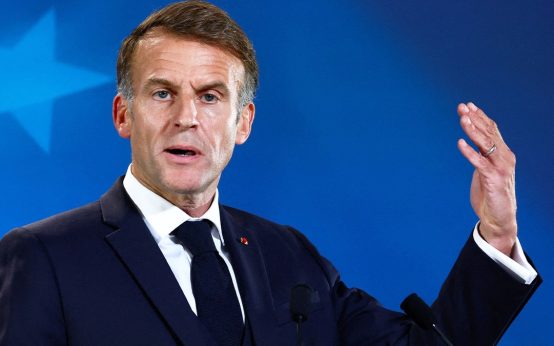 Macron Faces Criticism Amid Violent Protests in France
  Addressing Recidivism and Reforming the U.S. Prison System
  Democracy Dies in Darkness