
Recidivism rates in the United States highlight significant flaws in the justice and prison systems. Although the U.S. comprises about 4.2 percent of the global population, it accounts for nearly 20 percent of the world’s prisoners. Approximately 70 percent of U.S. prisoners face rearrest within three years of release.
The purpose of prison includes punishment, removing dangerous criminals, and acting as a deterrent. Yet, rehabilitation of mainly young, minority men who often commit crimes in their teens must not be overlooked. Imprisoning a 19-year-old can result in them returning to society unskilled, unemployable, and possibly addicted, with limited knowledge beyond criminal activities.
Not all inmates revert to crime, but many do due to limited options. Recent initiatives like President Trump’s First Step program aim to counter these trends, guiding prisoners away from crime. Various private efforts focus on educating inmates, but they often remain underutilized.
Efforts come from both sides, such as Tony Lowden, aligned with left-leaning ideologies, and David Barker, Ph.D., working within the Trump administration, who both support inmate training programs. A minority of violent offenders need to be contained for public safety. However, many inmates, who don’t pose such threats, languish in prisons, often joining gangs or indulging in substances to escape reality.
Instead, they should acquire skills like carpentry and auto repair, aiding employability post-release. The system has morphed into a ‘Prison Industrial Complex’ stricken by corruption. Incentivizing prison officials based on reducing recidivism rates could enhance outcomes, ensuring correctional facilities genuinely rehabilitate inmates.
Educational resources, vocational training, and healthcare are often neglected for prisoners. Using technology, retention rates for learning inmates can increase significantly. Virtual reality headsets minimize distractions and boost learning readiness, reducing education-related shame.
Prisoners can now earn high school diplomas, college degrees, and trade certifications.
Efforts to combat recidivism include Rep. Byron Donalds and Amy Frizzell from the Florida Department of Corrections. The U.S. Virgin Islands showcases a remarkable 11 percent recidivism rate under Bureau of Corrections Director Wynnie Testamark’s leadership.
In the 19th century, Frederick Douglass asserted education as pivotal for human success. He would likely find current recidivism rates alarming, yet encourage emerging organizations striving to improve these numbers. Trump’s 2018 bipartisan First Step Act sought to foster rehabilitation, lower recidivism, and reduce extended sentences.
This initiative increased federal prisoners’ access to rehabilitative and educational programs. The Trump administration can further these achievements by implementing modern technologies within prisons.
Such efforts can potentially transform inmates into employed taxpayers, saving economic resources. Stephen Moore, a former senior economic advisor to President Trump, currently leads Unleash Prosperity. John L. Evans Jr., Ed.D., co-founded Promising People.
 Tlaib’s Bill Aims to Halt Federal Funding for Mass Surveillance
  California’s New Hate Speech Instruction Faces Pushback
  Macron Faces Criticism Amid Violent Protests in France
  Democracy Dies in Darkness
  Obama Criticizes Trump Administration’s Actions Against Rep. Ilhan Omar
 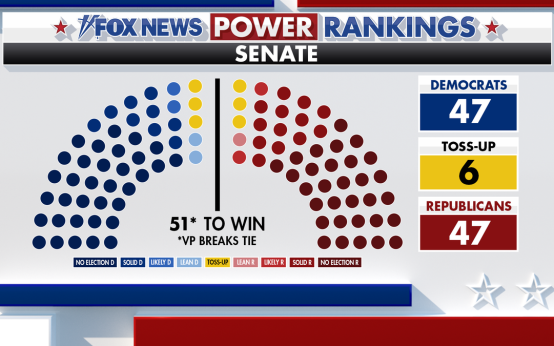 Senate Control Battle Intensifies as Midterms Approach