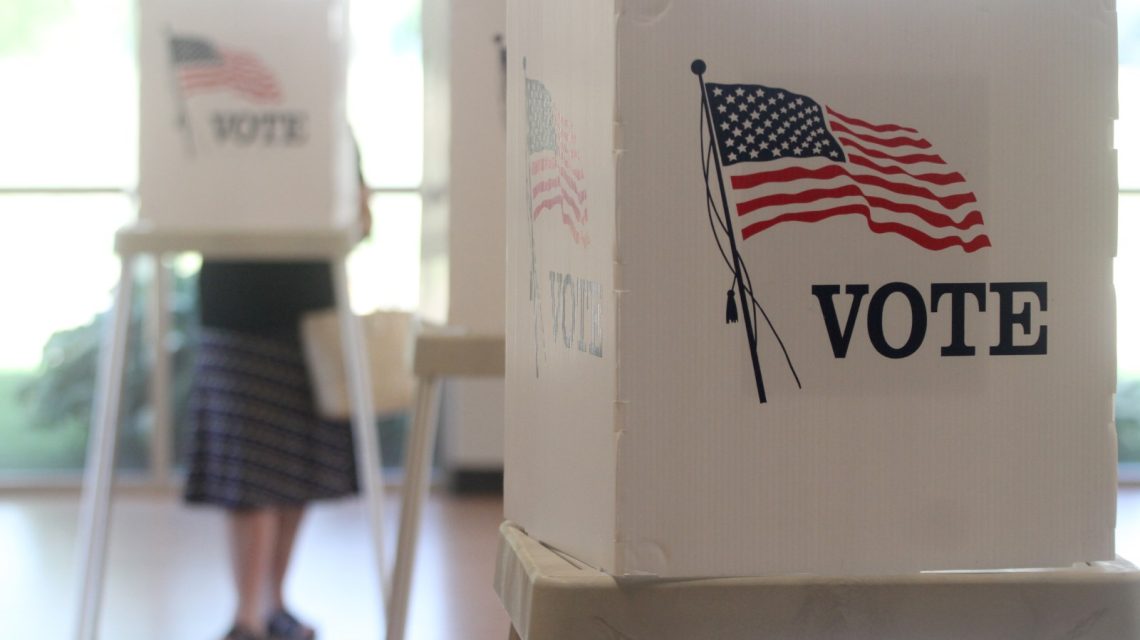
As voters cast their votes in the current midterm elections, political donations from the fast-growing artificial intelligence (AI) industry are gaining attention. Experts predict these AI-related contributions might influence voter perceptions of candidates, although their effect on election outcomes is uncertain.
Corporate donations have long shaped American elections. However, the AI industry’s growth and the swift construction of data centers across the US have made its political spending a focal point. Candidates in key races face scrutiny over whether AI-linked financial support could sway their positions on issues like electricity costs, tax incentives, and data center project approvals.
“Data-center backed candidates may face some backlash by their political association,” Virginia Tech professor Cayce Myers told Newsweek. “It’s difficult to say that candidates who accept this money will have definitive backlash, but there are some voters where this is the single issue affecting their decision. In an election where there is a tight race a handful of votes can be the difference between victory and defeat.”
Midterm Races Highlighting AI Donations
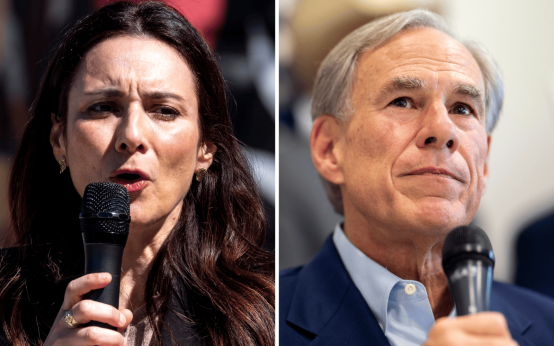
Several races have brought AI-related campaign donations into the spotlight. In Texas, Republican Governor Greg Abbott, running against Democratic state Representative Gina Hinojosa, has received substantial donations linked to the data center industry. This is despite pausing new data center approvals until state officials conduct an audit of projects connecting to the state’s electric grid, according to the Texas Tribune.
In Ohio, Republican Senator Jon Husted and Democratic former Senator Sherrod Brown have sparred over AI-related donations in their Senate race. Fox News reported that Brown received $20,000 from a Google political action committee over his political career. In contrast, Husted has amassed over $630,000 from data center-affiliated organizations over the past 20 years, according to American Journal News.
For the current election cycle, campaign donations are lower. Husted received $11,000 from AI-related companies this year, a figure reaching $22,000 since May 2025, as per Federal Election Commission records. These contributions include donations from Microsoft and Oracle, while Brown’s campaign did not receive funds from the same PACs.
A Husted campaign spokesperson told Newsweek, “Sen. Husted introduced the Ratepayer Protection Act to ensure communities support data center decisions locally and aren’t burdened with infrastructure costs. It passed overwhelmingly in the House but was blocked by Senate Democrats.”
A Brown campaign spokesperson argued, “Husted drove data center expansion in Ohio, leading to higher electric bills and excessive tax breaks for out-of-state companies. Ohioans should decide on data center projects locally, without subsidizing their electricity costs.”
Direct queries to both campaigns about assurances against influence from data center interests remained unanswered.
Voter Concerns About AI and Data Centers
AI remains a significant topic for voters in Ohio and nationwide. University of Akron’s David Cohen stated, “A recent BGSU/YouGov poll found 19% of Ohioans consider AI and data centers important, underscoring the issue’s relevance to many.”
Voters may not track campaign finance records closely, but media coverage raises awareness. “Perception is reality in politics,” Cohen explained. “If voters sense a candidate is too close to tech companies, the perceived reality overshadows actual facts.”
Despite the focus on AI and data center issues, immediate concerns like electric and water bills dominate voter priorities. “With affordability a key election theme, big tech subsidization coupled with rising utility costs impacts voters. Data centers will increasingly influence politics as economic and social issues,” Myers stated.
“Corporate influence has always been controversial in US politics,” Myers noted. “The linkage between Big Tech and politicians invites attacks framing them against everyday voters struggling financially.”
 French Authorities Declare Curfews Amid Protests Over Living Costs
 Private Investment and Super Intelligence: Keys to Modernizing the Military
 The Challenges of the Press Secretary Role in the James S. Brady Press Briefing Room
 New Press Secretary Faces Daunting Task Ahead
 Abbott Dismisses Hinojosa’s Lawsuit on Musk Communications
 U.S. Historic Preservation Law Faces Threat