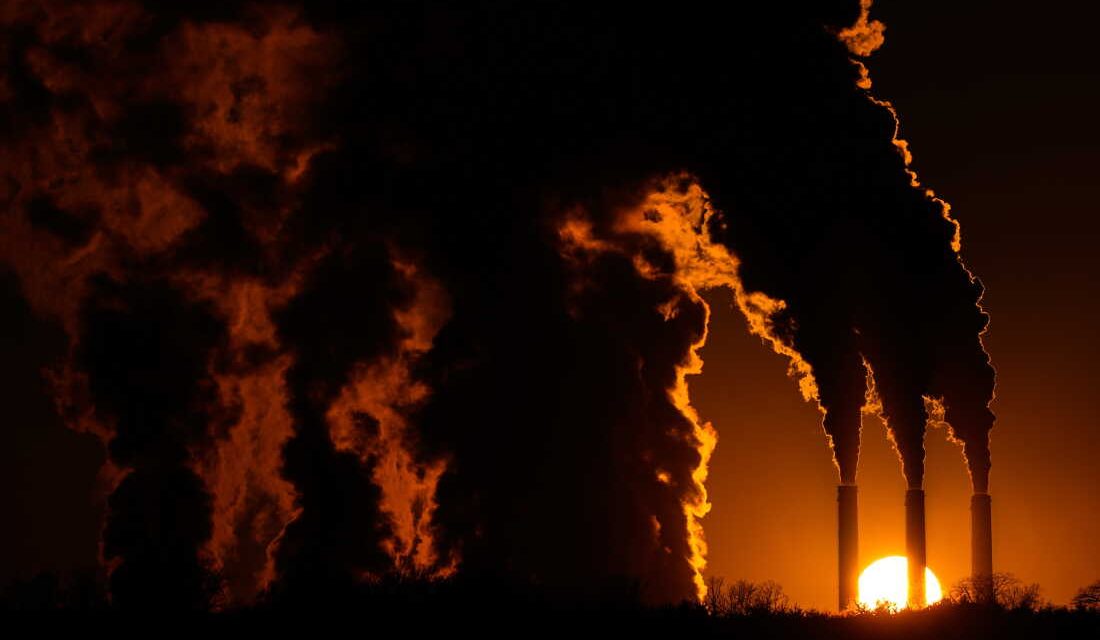
In January 2026, an image captured the Jeffrey Energy Center coal-fired power plant in Topeka, Kansas. This facility underscores the substantial rise in greenhouse gas emissions by the United States last year, as detailed in a recent United Nations report.
The report indicates countries are falling short in decreasing emissions contributing to climate change, with the United States leading the issue. The U.S. stands out as the only major economy where emissions of planet-warming gases increased significantly last year. Notably, the U.S. and Russia had the highest per capita emissions among the G20 nations. Although China produces more total greenhouse gases annually, its population size is over four times that of the U.S.
Factors Behind the U.S. Emission Surge
The increase in U.S. emissions last year stemmed from rising electricity demands and policies favoring fossil fuel usage during the Trump administration. These policies encouraged coal-fired power plants to remain operational longer, lowered fuel-efficiency standards for vehicles, and terminated tax incentives for renewable projects, such as solar and wind.
UN Environment Programme Executive Director Inger Andersen points out the U.S. as an anomaly in escalating greenhouse emissions amid energy security concerns arising from geopolitical tensions, such as conflicts in Ukraine and Iran. Meanwhile, several G20 countries, including the European Union, have successfully reduced emissions by investing in energy efficiency and renewable energy sources.
U.S. Withdrawal from Global Climate Efforts
The Trump administration’s departure from the 2015 Paris Climate Agreement signifies its withdrawal from U.N. climate activities. It argues that international climate strategies unfairly burden Americans, and the Environmental Protection Agency now claims that greenhouse gases do not pose health risks.
The latest U.N. report releases amidst upcoming global climate talks in Turkey, where world leaders will evaluate clean energy investments and climate change costs. Despite the U.S. absence, its dependence on fossil fuels affects global climate conditions negatively.
Burning fossil fuels releases greenhouse gases, contributing to global temperature increases. The World Meteorological Organization reports Earth is 2.7 degrees Fahrenheit warmer compared to the mid-1800s, resulting in severe weather phenomena such as heatwaves, floods, intense storms, and wildfires.
Global Warming Projections and Goals
Currently, Earth’s temperature is set to rise by up to 5 degrees Fahrenheit this century, causing potential catastrophes like sea level increases and mass extinctions. The Paris Agreement aims to restrict warming to below 3.6 degrees Fahrenheit to prevent such disasters. According to this year’s report, reaching lower targets is now deemed unattainable.
Nevertheless, the U.N. finds warming could stay below 3.6 degrees Fahrenheit if emissions drop by roughly 25% in the next decade. Presently, most countries are lagging in meeting this objective. Under the Paris agreement, about two-thirds of nations have submitted updated emission reduction plans, targeting a 15% cut over the next ten years, insufficient against the necessary 25% decrease.
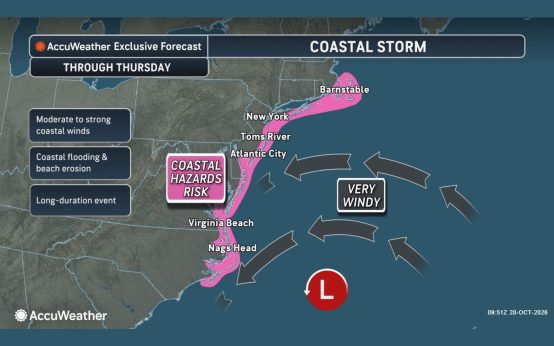 Nor’easter Threatens East Coast with Strong Winds and Coastal Hazards
 Severe Weather Threat in Arizona and Southern California
 Michigan City Residents Urge NIPSCO’s Coal Plant Retirement Amid Environmental Concerns
 Gulf of Mexico’s Twilight Zone Ecosystem Severely Impacted by 2010 Deepwater Horizon Oil Spill
 Lake Forest Preservation Symposium Emphasizes Community and Future
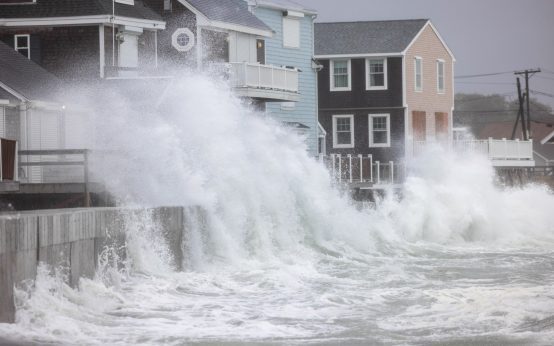 Nor’easter Threatens U.S. Coastal Areas Amidst Quiet Hurricane Season