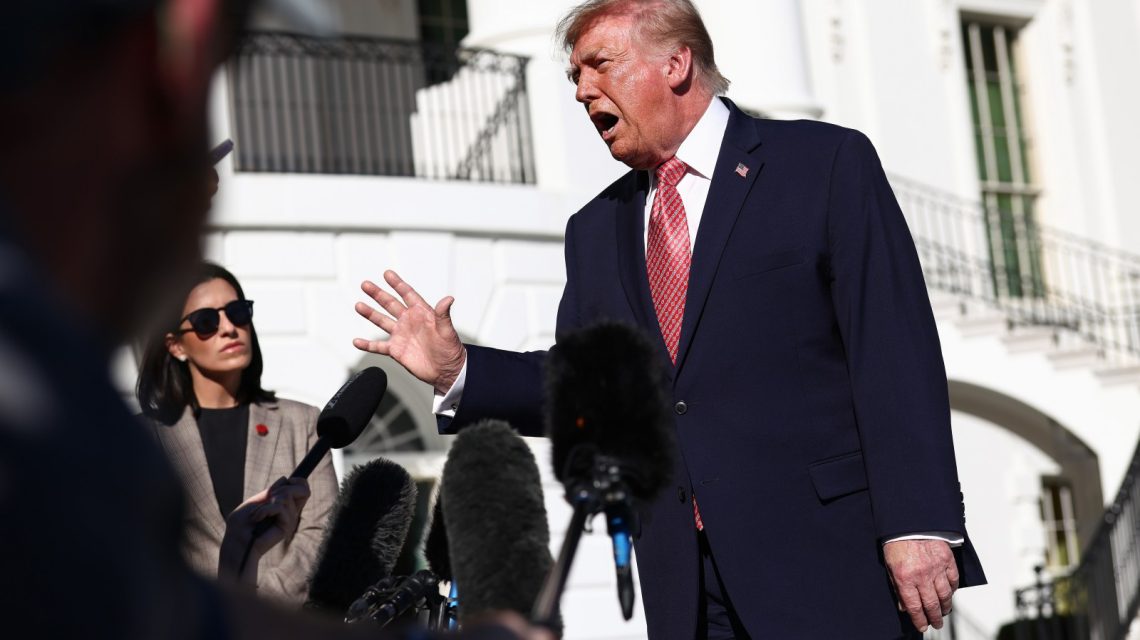
A significant number of Republicans are expressing concerns about President Donald Trump’s decision to waive new sanctions and tariffs aimed at Russia. House Speaker Mike Johnson warned the White House about potential unforeseen outcomes.
Trump signed an executive order last Friday to waive significant measures under the Lindsey O. Graham Sanctioning Russia and Iran Act. This legislation, which Trump enacted in September, was designed to increase economic pressure on Moscow due to its involvement in the Ukraine conflict. In his order, Trump stated he was waiving sanctions, restrictions, and duties as the waiver served the national interests of the United States.
The Graham Act included a 500 percent tariff on Russian goods and potential 100 percent tariffs on goods from major purchasers of Russian oil and gas. These measures were set to take effect on October 18, 30 days post-enactment. Trump’s order allowed these provisions but simultaneously waived the duties before implementation. The waivers stand until Trump or the Secretary of State, with other officials, deems further action necessary. Earlier Russia-related sanctions remain unaffected.
The decision has caused friction between Trump and Republicans who favored stringent actions against Russia. Their critiques range from direct opposition to reserved disagreements. Trump justified the waiver as part of his strategy to foster peace in the Russo-Ukrainian war and to reduce high diesel and gasoline prices before the midterm elections. Trump asserted on Truth Social that negotiating peace was crucial, and excessive pressure should be avoided to retain Russia at the discussion table.
The waiver follows Trump’s agreement with Russia to augment diesel supplies globally, aiming to lower fuel costs. Energy Secretary Chris Wright described this as a ‘carrot’ for Moscow, clarifying Trump had temporarily paused enforcement of Graham sanctions.
Critics include Moscow, who welcomed the decision, while Ukraine fears reduced pressure might incite further Russian aggression. After a drone attack in Kharkiv, Ukrainian President Volodymyr Zelensky emphasized this concern. Conversely, Russian investment envoy Kirill Dmitriev described the suspension as a significant and historic event.
Here is a list of Republicans who voiced opposition toward Trump’s waiver or expressed concerns:
- Mike Johnson: While urging careful consideration of potential consequences, Johnson discussed waiving concerns with the White House, without directly opposing Trump’s decision.
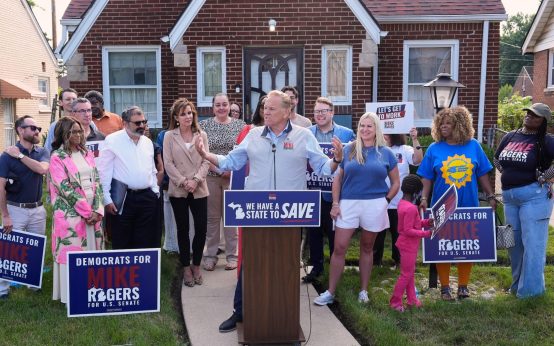
- Mike Rogers: Disagreed with the suspension of sanctions, emphasizing the need to maintain pressure on Putin.
- Thom Tillis: Strongly condemned Trump’s decision as ‘beyond irresponsible,’ challenging the administration’s understanding of enforcing Senate-supported laws.
- Ted Cruz: Criticized the waiver as a mistake, urging consideration of alternative measures to control high fuel prices.
- John Cornyn: Recalled Lindsey Graham’s advocacy for robust sanctions, expressing displeasure upon Trump’s waiver.
- Darline Graham: Although supportive of Trump’s goals, favored sustained pressure on Russia due to distrust.
- Mike Turner: Encouraged enforcing available sanctions, questioning the extent of the current waivers.
- Kevin Cramer: Shares critics’ views, hoping the waiver will be a brief pause.
- Jeff Hurd: Warned that easing sanctions could finance Russia’s war efforts without substantial American savings.
- Don Bacon: Accused Trump of extending the war rather than concluding it.
- Michael McCaul: Urged reversal, promoting strength for enduring peace rather than accommodation.
- Nikki Haley: Criticized the move as a serious misjudgment of Putin and a historical error.
Trump faced inquiries over allegations of supporting Putin by waiving sanctions. He expressed a wish to cease the war between Russia and Ukraine. White House spokesperson Taylor Rogers stated Trump’s aim for the ‘brutal war’ to end, with negotiated sanctions not interfering in diplomacy.
Despite criticisms, Trump downplayed Republican disapproval, citing ongoing negotiations over several international and domestic issues. The administration described the waiver as a temporary measure, with Secretary of State Marco Rubio indicating a 60-day assessment period regarding economic impacts.
Interior Secretary Doug Burgum supported the strategy, suggesting sanctions relief as an incentive in peace talks with Moscow. Chris Wright endorsed Trump’s diesel supply agreement as a strategy to reduce hostilities while rejecting perceptions of economic support for Russia.
Not all Republicans opposed the waiver. Senator James Lankford supported Trump, arguing that efforts to balance pressure on Russia with domestic economic priorities remain intact.
 Michigan’s U.S. Senate Race: Faith, Identity, and Political Divisions
 Trump Administration Intensifies Voter Fraud Crackdown Ahead of Midterms
 Impact of Libya’s Fall on Trump’s Rise and Current U.S. Policy
 Controversy Arises as Trump Supporter Removed from Ken Paxton’s Rally
 JD Vance Faces Protester at North Carolina Rally
 Trump Warns of Domestic Unrest Comparing to France