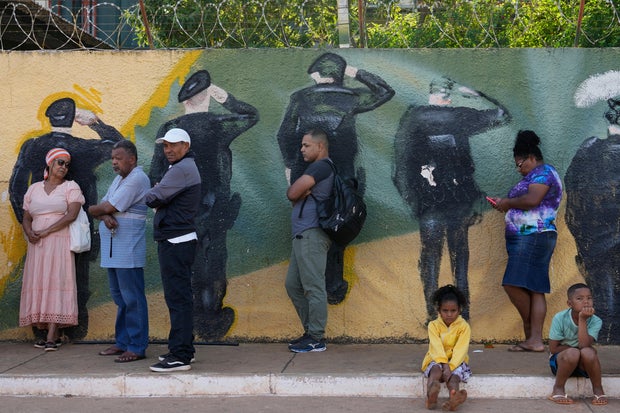
Brazilians are casting their votes in a tightly contested presidential runoff between incumbent President Luiz Inácio Lula da Silva and Flávio Bolsonaro. The outcome will influence the extent of U.S. influence in Latin America. Both candidates need over 50% of the vote to secure the presidency in January.
Polls indicate a close race between Lula, a veteran left-of-center politician, and Bolsonaro, an ally of former President Trump and son of ex-President Jair Bolsonaro. In the first round, Bolsonaro led by more than 2.2 million votes, but many voters abstained from voting.
Polarized Views
The candidates have differing views on U.S.-Brazil relations, climate change, and social welfare. Bolsonaro’s victory would represent a rightward shift in Brazil, mirroring recent trends in Chile, Peru, and Colombia. A Lula win would align Brazil with Mexico as another left-of-center-led nation.
Both Lula and Bolsonaro draw strong reactions from voters who are polarized by Brazil’s political landscape. Lula previously defeated Bolsonaro’s father in a narrow electoral victory.
Concerns Over Security and Living Costs
Lula faces challenges in his reelection campaign due to concerns about security and living costs. Bolsonaro has focused on a tough-on-crime platform and proposed measures to reduce food costs. Both candidates have faced allegations of corruption involving family and allies.
Bolsonaro’s campaign has been under scrutiny for alleged corruption, with charges relating to accepting funds from a disgraced banker to produce a film about his father.
Campaign Rhetoric
As Bolsonaro cast his vote, his supporters criticized Lula while chanting in support of their candidate. Bolsonaro emphasized the need for change in Brazil’s governance. Lula has portrayed Bolsonaro as a threat to democracy and has promised various social incentives including transportation and workweek reforms.
Lula expressed gratitude to his supporters while casting his ballot, emphasizing his roots as a union leader and his focus on the needs of ordinary Brazilians.
Voter Sentiments
Lula’s supporters appreciate his focus on alleviating poverty. For many, his past actions resonate as a commitment to the underprivileged. In contrast, Bolsonaro’s supporters express desire for significant political and economic change, citing Lula’s party’s association with past corruption.
Impact of Third-Party and First-Round Abstention
Voters who chose third-party candidates or abstained in the first round hold significant sway in the runoff. Some are motivated by past governmental actions and the political climate under previous leaderships, leading them to make decisive voting choices.
Transportation Issues
Transport disruptions in Lula’s stronghold, Bahia, involved buses being prevented from operating. Electoral authorities are investigating, with Lula accusing officials of undermining the democratic process. Allegations have emerged involving trade unions and political motivations.
Brazil’s electoral oversight remains stringent, with international observers noting orderly voting practices during the election.
U.S. Influence
Lula has been critical of the past U.S. administration, referencing tariffs and anti-narcotic classifications aimed at Brazil. Bolsonaro highlights his relationship with the U.S., suggesting mutually beneficial trade negotiations, particularly in the rare minerals sector.
Voting results are expected quickly due to Brazil’s electronic voting system. The developments will shape Brazil’s political and economic trajectory, with global implications.
 Hopes Rise in Kyiv Following U.S. Midterm Elections
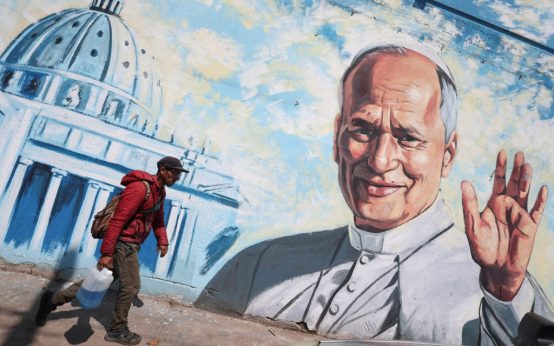 Pope Leo XIV’s Remarkable Journey to Latin America
 Thomas Markle Arrested on Serious Charges
 Bear Cub Leads Hunters to Find Missing Colorado Man’s Remains
 Democratic Candidate Scott Colom Engages Voters Outside Trump Rally
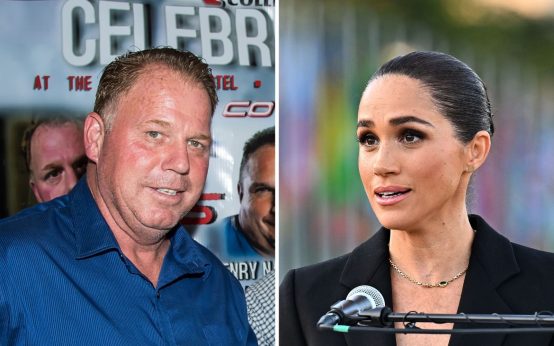 Investigation into Allegations Against Thomas Markle Sr.