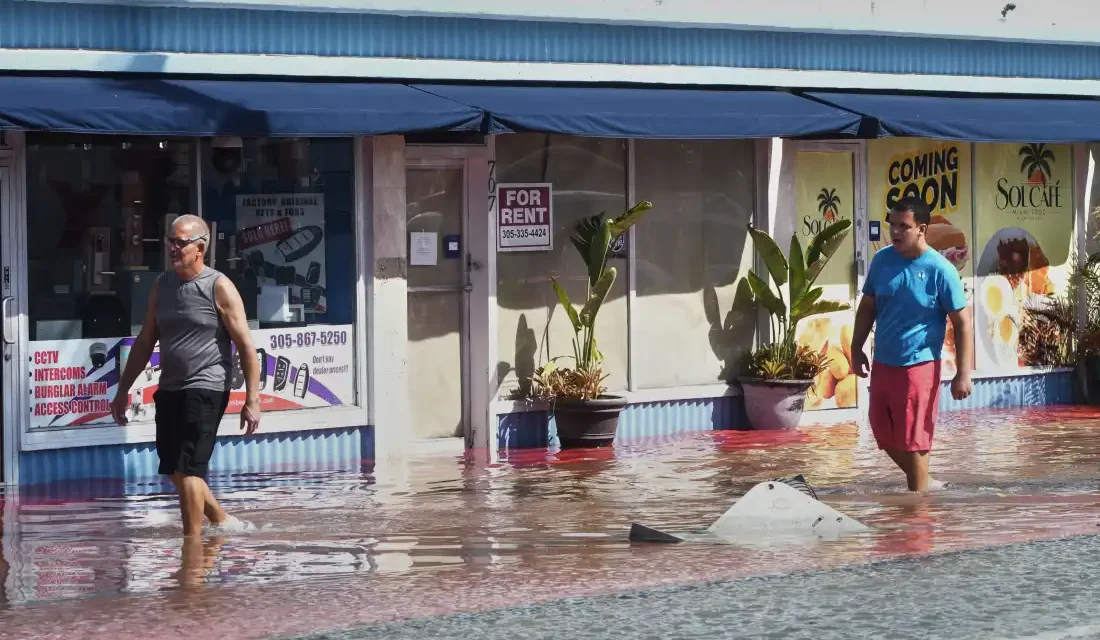
This winter, warmer and wetter conditions are anticipated due to a “Super El Niño.” National weather agencies worldwide are monitoring alterations in global weather patterns. The National Oceanic and Atmospheric Administration (NOAA) forecasts warmer-than-average temperatures across the continental U.S., coupled with increased precipitation in various regions.
El Niño years often lead to coastal flooding along the Eastern seaboard and the West Coast. Ken Graham, director of NOAA’s National Weather Service, described the phenomenon as a strong, possibly historic El Niño. Forecasts, however, remain predictions, not guarantees. While El Niño can hint at certain conditions, its occurrence doesn’t ensure a precise outcome. These forecasts serve as a guide for cities to prepare effectively and allocate necessary resources.
Graham emphasized that early and informed decision-making could save lives. Moreover, this year’s El Niño might bring relief in the form of rainfall to drought-affected areas.
Understanding El Niño
El Niño is a natural climate pattern originating in the tropical Pacific Ocean. Roughly every few years, a vast area of water in the eastern Pacific warms near the equator, releasing significant heat into the atmosphere and altering weather patterns globally.
Meteorologists predict that this year’s El Niño could be the strongest recorded, compounding the effects of warming due to fossil fuel emissions that trap more atmospheric heat. Josh Willis, a NASA climate scientist, describes El Niño’s scale and impact using the term “Godzilla,” illustrating its extensive reach and effects. Severe drought and wildfires in Indonesia and Southeast Asia highlight its immediate consequences.
History shows that strong El Niño events, like in 2015-16, lead to catastrophic flooding and blizzards in various U.S. regions. Here’s how El Niño may affect regions across the U.S.
Impacts on the West Coast
Forecasters predict warmer temperatures in Northern California and above-average precipitation statewide, especially in Southern California. The likelihood of increased snowfall in Nevada, the southern Rocky Mountains, and California’s San Bernardino Mountains remains high.
The West Coast first felt this El Niño’s impact through a Kelvin wave’s arrival, which raised sea levels and increased flood risks, along with warmer ocean temperatures. Dillon Amaya from North Carolina State University noted that Kelvin waves heighten flood risks, as witnessed in Tropical Storm Rachel’s October coastal flooding. More Kelvin waves are expected throughout fall and winter.
Pacific Northwest Expectations
While researchers anticipate the Pacific Northwest to be warmer, less precipitation may be expected, contrasting other West Coast regions.
Warmer temperatures likely mean reduced snowpack formation in the region, which sustains reservoirs when melting. Current drought and dry conditions heighten wildfire risks. Communities are preparing for potential flooding and infrastructure challenges due to El Niño and winter high tides.
Despite ongoing dry conditions, predictions suggest potential drought relief for Western portions of Oregon and Washington.
Southwest Conditions
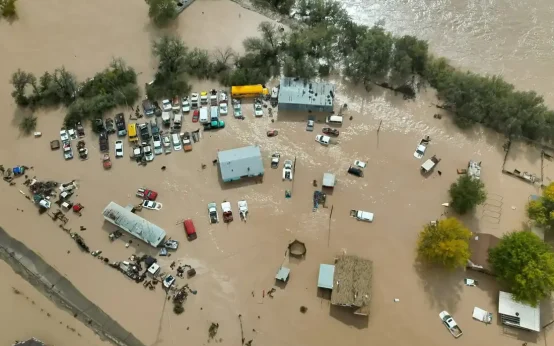
The Southwest, experiencing wetter-than-average conditions, faces severe flooding in regions such as the Four Corners area. Late October saw rooftop rescues and evacuations due to rising water levels.
Daniel Swain, a scientist at the University of California, attributes some flooding to El Niño’s influence on atmospheric moisture levels. Despite heavier rains, this won’t resolve the Colorado River basin’s water crisis, worsened by drought and water demand.
East Coast Impacts
The Northeast might witness warmer temperatures and increased precipitation, paralleling U.S. weather patterns from earlier years. El Niño may intensify nor’easters, leading to potential coastal erosion.
Recent history recalls extreme flooding during past El Niño events, along with snowfall surpassing 30 inches. Flooding risks in the Northeast and Mid-Atlantic remain possible, like during the strong El Niño year of 2016.
Southern Weather Patterns
Southern U.S. regions have the highest forecasted chance of above-average precipitation. Snow may occur in areas like northern Texas, where it’s uncommon.
Florida anticipates heavy rainfall and tornado risks, with historical El Niño events illustrating deadly tornado outbreaks.
Midwest Conditions
The Midwest, especially the Upper Midwest, may see less snowpack due to warmer temperatures, predicting drier conditions overall. Regions like Michigan, Ohio, and Indiana are typically drier during El Niño, unlike Iowa with wetter projections.
Current drought concerns persist, and there’s potential for worsening conditions through winter.
 Trump’s Controversial East Potomac Park Redevelopment Faces New Hearing
 EPA’s Response to East Palestine Train Derailment Under Investigation
 Texas Data Centers Pose Pollution Challenge Amid Growth
 Trump Administration Plans to Ease Methane Regulations for Oil and Gas
 Indonesia Faces Severe Wildfires Worsened by El Niño
 Floods Devastate Four Corners States Amid El Niño Rainstorms