
Elon Musk’s involvement in a dispute regarding Ukraine’s access to Starlink services spotlights his significant impact on global affairs. Recent confusion and discussions over the slowdown of Starlink and its military variant, Starshield, underline this influence.
Musk acknowledged that SpaceX was responsible for restrictions on Starlink’s services. Although the reasons behind the Starshield slowdown are debated, the incident demonstrates the extensive reach of the world’s wealthiest individual in global and military matters.
“A lot of people are uncomfortable with the idea that an individual like a corporate leader is essentially making foreign policy decisions about access,” said Michael Horowitz, Director of the Defense and National Security program at the Council on Foreign Relations.
Since the beginning of Ukraine’s conflict with Russia, the country has utilized Starlink’s commercial services, eventually adding Starshield through a Pentagon contract. Founded in 2002, SpaceX is the leading satellite and space company. This enhances Musk’s critical role in these matters.
“No unelected civilian titan of industry should have the ability to interfere with a war in the way that SpaceX did here,” stated Andrew Grotto, director of Stanford University’s geopolitics, technology, and governance program.
The Hill’s Technology newsletter, spearheaded by Julia Shapero and Miranda Nazzaro, continues to cover influential shifts from Capitol Hill to Silicon Valley. The newsletter includes insights on how tech policy impacts the industry, like:
- Sens. Elizabeth Warren and John Curtis questioning Kalshi and Polymarket over election-related prediction markets.
- General Motors resolving a $220 million lawsuit with 35 states and D.C. over driver data privacy.
- Finnish police investigating Google’s new data center for deforestation concerns.
- Nvidia refuting claims about its CEO being an intelligence target.
Among notable mentions, Alphabet faced a major stock drop and Cape Canaveral is eyeing an economic rebound. Over 120 organizations push for the STOP CSAM Act to combat online child exploitation.
This act, supported by Sens. Josh Hawley and Dick Durbin, targets companies hosting child abuse material. Despite bipartisan support, past efforts stumbled due to political disagreements, hindering kids’ online safety legislation.
West Virginia’s lawsuit against TikTok for allegedly harming children by promoting addictive content also highlights ongoing tech-related legal challenges.
 The Impact of Online Negativity and How to Address It
 The White House Accord on Super Intelligence and Its Implications
 FTC Probes Pricing Strategies of Major U.S. Companies
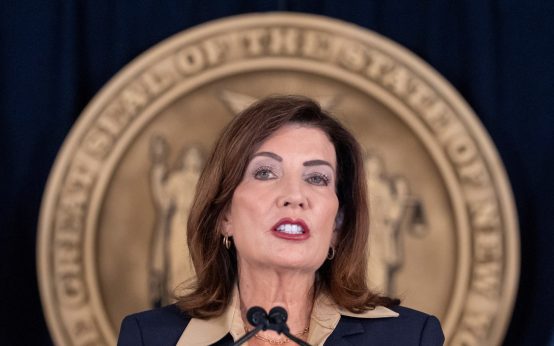 New York Enacts AI Companion Chatbot Restrictions to Protect Children
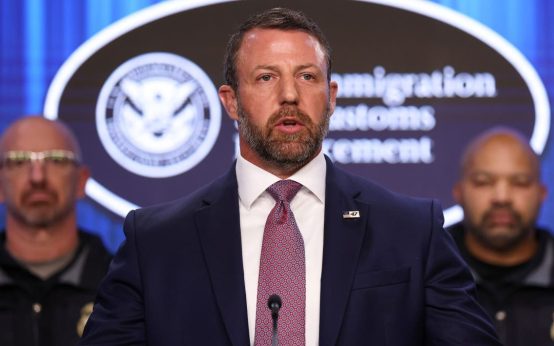 Massive Data Breach Hits Department of Homeland Security
 U.S. Department of Homeland Security Data Breach Exposes Thousands