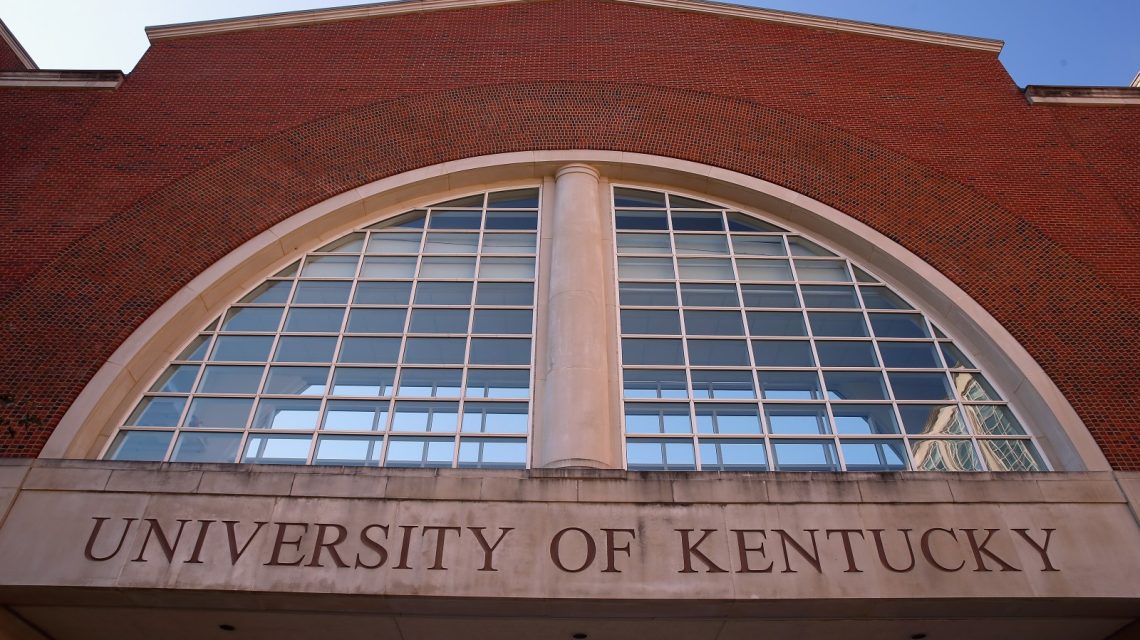
An employee at the University of Kentucky received a religious accommodation to avoid using artificial intelligence (AI) at work. David Durman, a research administrator, requested this due to his humanist beliefs which emphasize human well-being and personal decision-making.
Durman sought the accommodation preemptively, fearing AI use might become obligatory. On September 25, the university approved his request, determining it wouldn’t burden his department. The American Humanist Association (AHA) supported Durman, marking the first known workplace AI accommodation for a humanist.
Durman isn’t alone. Another employee, Erin Maus, a software engineer, secured a similar accommodation based on ethical concerns. Durman’s case explores how existing workplace religious protections apply as AI becomes more widespread, with some workers raising objections.
Durman, a humanist for three decades, differentiates between tools like autocorrect and generative AI, which he believes affects cognitive abilities. AI’s impacts on jobs, the environment, and creativity underpin his objection. He emphasizes the importance of human reasoning and creativity.
Despite the accommodation, Durman might still attend AI-related meetings or work with AI-using colleagues. This decision coincides with AI’s growing role in academia. The University of Kentucky aims to enhance AI literacy and access across its community. The university employs Microsoft AI tools and has trained over 2,000 employees in AI skills.
Jay Blanton, a university spokesperson, stated that religious accommodation requests are individually assessed. They consider employee beliefs, job duties, and request circumstances.
U.S. law, under Title VII of the Civil Rights Act of 1964, protects employees from religious discrimination and mandates reasonable accommodations unless they pose an undue hardship. This applies to various beliefs, not just traditional religions, as outlined by the U.S. Equal Employment Opportunity Commission (EEOC).
In 2023, the Supreme Court clarified in Groff v. DeJoy that employers must demonstrate significant costs if denying an accommodation. For Durman, the university concluded that exempting him from AI use wouldn’t impose excessive burdens.
Durman’s case highlights discussions on AI in religious contexts. Pope Leo XIV has expressed concerns about AI compromising human dignity, advocating its use should prioritize human welfare. However, he hasn’t opposed AI entirely, acknowledging its benefits if it respects human dignity.
Michael Naughton from the University of St. Thomas stressed that interpreting religious concerns as a right to refuse AI may misconstrue the pope’s messages. Instead, the focus is on AI’s impact on human agency.
Durman’s experience raises questions about religious exemptions and AI, relevant as employers increasingly integrate AI into workplaces. The enduring issue is whether an employee’s opposition reflects sincere religious beliefs and the potential burden on employers to honor such beliefs.
Humanism, Durman’s worldview, values rationality and ethical responsibility. While not all humanists oppose AI, Durman’s stance shows the diversity within humanist beliefs regarding technology. His case encourages others with similar concerns to explore accommodations.
 California Student Data Breach Raises Concerns
 The Enduring Value of Critical Thinking in Higher Education
 The Impact of Online Negativity and How to Address It
 Musk’s Influence Highlights Global Policy Concerns
 The White House Accord on Super Intelligence and Its Implications
 FTC Probes Pricing Strategies of Major U.S. Companies